

Psychological Trauma
What is Psychological Trauma: Causes, Symptoms, Types, Treatment
Discover what psychological trauma is, its causes, and common symptoms. Learn about the specific types of psychological trauma and how they can be treated.
What are the symptoms of trauma?
- Physical or emotional abuse
- Serious accidents
- Natural disasters
- War
- Violence
- Sudden loss of a loved one
Trauma can affect anyone, regardless of age, gender, or social status, and can have long-lasting effects on mental and emotional health. Psychological trauma is one of the most complex and devastating forms of mental suffering, capable of completely altering one’s perception of life and interpersonal relationships. Understanding this trauma is essential for providing support and encouraging healing.

What causes psychological trauma?
Psychological trauma does not occur out of nowhere; it is often the result of extremely stressful or painful experiences. Understanding the underlying causes is crucial for helping those affected. Common causes of psychological trauma include:
- Physical and emotional abuse
- Serious accidents and illnesses
- Natural disasters
- War and violence
- Loss of a loved one
- Traumatic childhood experiences
Physical and emotional abuse
Imagine feeling safe, only to have your world collapse around you. This is how many people feel after experiencing physical or emotional abuse. Such experiences leave deep scars that are not visible on the surface but profoundly affect mental and emotional health. Physical abuse involves bodily harm, while emotional abuse can include manipulation, humiliation, and constant intimidation. Both forms of abuse can create a long-lasting sense of fear and mistrust.
Serious accidents and illnesses
Life can change in an instant. A serious accident or severe illness can trigger psychological trauma. Sudden, unexpected experiences can leave a person feeling powerless and vulnerable. For example, a car accident may cause not only physical injuries but also nightmares and anxiety related to driving or busy streets. Similarly, a serious medical diagnosis can provoke shock and fear for the future.
Natural disasters
When nature strikes, people’s lives can be permanently altered. Natural disasters such as hurricanes, floods, earthquakes, and fires can cause severe psychological trauma. Losing one’s home, possessions, and sometimes loved ones can create feelings of loss and despair that are difficult to overcome. Survivors may experience anxiety and fear of future disasters long after the danger has passed.
War and violence
War and violence are major sources of psychological trauma. Soldiers and civilians living in conflict zones are exposed daily to danger and death, which can lead to severe post-traumatic stress disorder (PTSD). The sights and sounds of war, as well as the loss of friends and family, leave deep marks. Even after returning to an apparently normal life, these individuals may struggle to adapt and overcome traumatic memories.
Loss of a loved one
Losing someone dear can feel like losing a part of yourself. The pain and grief that accompany the loss of a loved one can trigger profound trauma. Whether due to a sudden death or a prolonged illness, the emotional impact can be devastating. Those experiencing such a loss may suffer from depression, anxiety, and difficulties continuing daily life.
Traumatic childhood experiences
Childhood is a time of discovery and innocence, but for some, it can also be a time of suffering. Traumatic experiences in childhood, such as abuse, neglect, or exposure to domestic violence, can have long-term effects on mental health. Children who endure such experiences may develop behavioral problems, learning difficulties, and attachment disorders that follow them into adulthood.
Core Symptoms of Psychological Trauma
Experiencing psychological trauma can feel like living a horror movie on repeat. Flashbacks and nightmares are common experiences for those affected, representing intrusive memories of the traumatic event that return without warning, forcing individuals to relive the initial pain and fear. Nighttime nightmares can disrupt sleep, leaving a person exhausted the next day.
The core symptoms of psychological trauma include:
- Constant anxiety and fear
- Irritability and anger
- Insomnia and sleep disturbances
- Depression and feelings of hopelessness
- Emotional detachment and numbness
- Concentration and memory problems
Constant anxiety and fear
Trauma can leave a person in a state of permanent alert. Anxiety and fear are like a dark cloud overshadowing each day. Individuals may struggle to relax and perceive danger even in safe situations. This continuous vigilance can contribute to health problems such as hypertension and digestive disorders.
Irritability and anger
People who have experienced psychological trauma may feel intense irritability and anger, sometimes triggered by minor events. Uncontrolled anger often masks feelings of helplessness and vulnerability, affecting relationships with others.
Insomnia and sleep disturbances
Sleep should be a refuge, but for those with psychological trauma, it can become a battleground. Insomnia and sleep disturbances are common symptoms. Difficulty falling asleep or staying asleep can worsen overall health and intensify other trauma-related symptoms. Lack of sleep contributes to chronic fatigue and can reduce the ability to cope with daily stress.
Depression and feelings of hopelessness
Imagine being trapped in a maze with no way out. This is how those suffering from depression as a result of psychological trauma often feel. Feelings of hopelessness and a loss of interest in everyday activities are common symptoms. Affected individuals may experience deep sadness, lack of motivation, and difficulty finding joy in life. Depression can lead to social isolation and significantly impact quality of life.
Detachment and emotional numbness
Have you ever felt completely disconnected from the world? Detachment and emotional numbness are symptoms of psychological trauma. Affected individuals may struggle to feel positive emotions or connect with others. This state of numbness is often a defense mechanism to cope with intense pain. However, it can lead to difficulties in interpersonal relationships and can amplify feelings of isolation.
Concentration and memory problems
Psychological trauma can affect concentration and memory. Traumatized individuals may find it difficult to focus on daily tasks and may forget important things. This cognitive impairment can negatively impact performance at work or school, adding an additional layer of stress and frustration.
How many types of psychological trauma exist?
Psychological trauma is not a monolithic phenomenon; it can take many forms, each with its own symptoms and effects. Understanding these types of trauma helps us recognize and provide appropriate support to those who suffer.
There are six main types of psychological trauma:

- Acute trauma:
Acute trauma results from a single traumatic event that causes intense stress and suffering. Imagine being involved in a sudden and violent car accident—this is an example of acute trauma. Although the event is singular, its impact can be profound and long-lasting. Individuals experiencing acute trauma may develop symptoms such as anxiety, flashbacks, and sleep disturbances. - Chronic trauma:
Chronic trauma results from repeated exposure to traumatic events over a long period of time. Think of a child growing up in a consistently abusive or emotionally neglectful environment—this is chronic trauma. The effects of chronic trauma are cumulative and may include post-traumatic stress disorder (PTSD), depression, and relationship difficulties. Affected individuals may develop unhealthy coping mechanisms to manage ongoing stress. - Complex trauma:
Complex trauma occurs when a person is exposed to multiple traumatic events, often of an interpersonal nature, especially during childhood. Imagine a child who is abused not only at home but also at school or in other social settings. Complex trauma combines elements of both acute and chronic trauma and can lead to severe difficulties in emotional and social development. Affected individuals may struggle with trust and experience challenges in maintaining healthy relationships. - Secondary trauma:
Secondary trauma arises when a person is indirectly exposed to the traumatic experiences of others. Think of a therapist working with abuse survivors or a firefighter rescuing victims from natural disasters. Although these professionals have not personally experienced the trauma, they may experience symptoms similar to those of direct victims, such as emotional exhaustion, anxiety, and depression. - Developmental trauma:
Developmental trauma refers to traumatic events that occur during critical stages of a child’s development. An example would be a child experiencing a high-conflict parental divorce during early childhood. This type of trauma can severely affect emotional and cognitive development, leading to behavioral problems and long-term learning difficulties.
Collective trauma:
Collective trauma affects a large group of people and results from events that impact an entire community. Think of a community going through a devastating natural disaster, such as a major earthquake. Collective trauma can lead to a shared sense of loss and suffering and can affect the cohesion and resilience of the community. Community members may experience a wide range of symptoms, from anxiety and depression to post-traumatic stress disorder.
What are the stages of psychological trauma?
The process is not linear and can vary from person to person, but there are several common stages that most people go through. Understanding these stages is essential in order to provide support and empathy to those who are struggling with such suffering.
-
Shock and Denial Stage
Imagine being on a beach, and suddenly a violent storm hits you. The first reaction is often one of shock and denial. In this stage, the person cannot accept the reality of what has happened. The senses may feel numb, and the mind may refuse to process the traumatic event. This is a natural defense mechanism that allows the individual to cope with the initial impact of the trauma. -
Anger and Frustration Stage
After the shock begins to fade, feelings of anger and frustration may take over. Think of a volcano erupting after years of built-up pressure. The affected person may feel intense anger toward those involved in the traumatic event or toward the situation itself. Frustration may arise from a sense of powerlessness and the inability to change the past. It is important to acknowledge these emotions as part of the healing process. -
Bargaining Stage
In this stage, the person tries to find meaning or an explanation for what happened. It is as if they are trying to solve an impossible puzzle. Bargaining may include thoughts such as, “If I had done something differently, maybe things would have turned out differently.” This stage is characterized by an effort to regain a sense of control and predictability in life. -
Sadness and Depression Stage
Sadness and depression are inevitable stages in the trauma process. Imagine a sky covered with dark clouds that do not seem to clear. The person may experience a deep sense of loss and hopelessness. This stage may be marked by social withdrawal, difficulty enjoying usual activities, and a feeling of emptiness inside. It is essential to offer support and understanding to those in this stage. -
Acceptance and Adaptation Stage
Finally, the person begins to accept the reality of the trauma and adapt to the new circumstances. This does not mean that the pain completely disappears, but it becomes easier to manage. Think of a river that finds a new path after being blocked by a rock. The person begins to rebuild their life, find meaning, and develop healthy coping strategies. This stage is characterized by increased resilience and a greater ability to face future challenges.


How to Identify Psychological Traumas
Have you ever felt like you are carrying an invisible burden that is too heavy to ignore? Identifying psychological traumas can be challenging, especially since symptoms are not always obvious and can vary from person to person. Here are some steps and processes that can help you understand if you or a loved one is suffering from psychological trauma:
-
Recognize emotional and behavioral symptoms
Think of psychological trauma as an internal earthquake. Sometimes the first signs are not visible, but its effects can be felt. Notice if you experience emotional symptoms such as anxiety, depression, anger, or emotional numbness. Have your behaviors changed? Do you feel irritable, isolate yourself from friends and family, or have difficulty enjoying activities that previously brought you pleasure? These are indicators that something is wrong. -
Evaluate physical symptoms
Your body speaks, even if sometimes we choose not to listen. Psychological trauma can have physical manifestations such as frequent headaches, digestive problems, chronic pain, and sleep disturbances. If you are experiencing these symptoms without a clear medical cause, it could be a sign that psychological trauma is at work. -
Observe reactions to stress
How do you react to stressful situations? Psychological trauma can intensify stress responses, making you feel overwhelmed or unable to cope with daily challenges. If you often find yourself reacting excessively to stress, either through extreme anxiety or complete withdrawal, you may be experiencing the effects of trauma. -
Consult professionals
Sometimes the best way to understand what is happening is to speak with someone experienced in the field. Therapists and counselors are trained to recognize signs of psychological trauma and can help you navigate these turbulent waters. A professional can provide an objective assessment and recommend coping strategies and treatment. -
Self-assess and reflect on your experiences
Reflect on your experiences. Have you gone through a highly stressful or traumatic event recently or in the past? How did this event affect you? Have your behavior or emotional state changed since then? The answers to these questions can reveal whether psychological trauma is a factor in your life.
How to Treat Psychological Trauma
Treating psychological trauma is essential to regain emotional balance and improve your quality of life.
There are several effective treatment methods that can help you manage and overcome this invisible suffering:
- Cognitive-Behavioral Therapy (CBT): Think of CBT as a compass that helps you find your way through a dark forest. This form of therapy focuses on changing negative thought patterns and developing healthy coping mechanisms. At ID Therapy – Psychotherapy Clinic Bucharest, specialized therapists can guide you through identifying and changing dysfunctional thoughts that fuel trauma.
- Trauma Processing Therapy (EMDR): Imagine having a wound that won’t heal, and EMDR is the bandage that accelerates healing. Eye Movement Desensitization and Reprocessing (EMDR) therapy is used to help the brain process and integrate traumatic memories.
- Exposure Therapy: If your trauma is like a shadow that constantly follows you, exposure therapy helps you confront it directly. This therapy gradually exposes you to traumatic memories or situations in a controlled and safe environment. At ID Therapy – Psychotherapy Clinic Bucharest, therapists create a gradual exposure plan to help you face and reduce trauma-related anxiety.
- Group Therapy: Think of group therapy as a circle of friends offering support and understanding. Participating in support groups can help you feel less isolated and learn from the experiences of others who have faced similar situations. At ID Therapy, group therapy sessions are conducted by experienced therapists, providing a safe and empathetic space to share and process emotions.
- Individual Counseling: Imagine individual counseling as a deep conversation with a trusted friend, but with professional expertise. At ID Therapy – Psychotherapy Clinic Bucharest, counselors help you explore and understand the roots of your trauma, providing the tools needed for healing. These sessions are personalized for your specific needs, ensuring you receive the attention and support you need.
- Relaxation Techniques and Mindfulness: If your mind is like a stormy ocean, relaxation and mindfulness techniques act as a stable boat to help you navigate the waves. Practices such as meditation, deep breathing, and yoga can help reduce stress and anxiety, promoting calm and balance. At ID Therapy, you can learn these techniques under the guidance of specialists, integrating them into your daily routine to improve overall well-being.


How Psychological Trauma Manifests in Children
Psychological trauma in children is often difficult to recognize, but there are signs that can alert us and guide us to provide the necessary help.
- Changed Behaviors and Regression:
Imagine a child who was once full of life, always eager to explore and play. Now, you notice they prefer to be alone, avoid activities that once brought joy, and seem withdrawn. Regressions, such as returning to behaviors typical of younger ages (thumb-sucking or bedwetting), are clear indicators that the child is going through a difficult period. These behavior changes are often the child’s response to traumatic stress.
- Intense Anxiety and Fear:
Think of a child living in a constant state of fear. Traumatized children may develop intense anxiety, manifested as continuous restlessness, exaggerated fear of certain places or situations, and avoidance of activities that remind them of the traumatic event. Nightmares and sleep difficulties are also common, leaving the child exhausted and vulnerable during the day.
- Concentration Problems and Poor Academic Performance:
Psychological trauma can severely affect a child’s ability to concentrate and learn. You may notice that a child who previously performed well in school now struggles to complete assignments or understand lessons. Concentration difficulties and decreased academic performance are frequent signs of trauma. These difficulties not only affect learning but can also lower the child’s self-esteem, creating a vicious cycle of suffering.
- Social Isolation:
Social isolation is another obvious sign of psychological trauma. A traumatized child may avoid friends and social activities, preferring to spend time alone or with a trusted person. This withdrawal can be a protective mechanism, as the child tries to avoid any situation that could trigger painful memories or fear. This behavior not only hinders the child’s interpersonal relationships but can also deepen the sense of loneliness and helplessness.
- Physical Signs of Trauma:
Sometimes, psychological trauma manifests through physical symptoms. Frequent headaches, abdominal pain, or other somatic issues without a clear medical cause can indicate psychological stress. If a child often complains of such symptoms, it is important to consider possible emotional causes.
How Can Parents Help a Traumatized Child?
The Role of Creative Activities in a Traumatized Child’s Recovery
A Safe and Free Way to Express Emotions:
How liberating can it be for a child to express emotions through drawing, painting, or other creative activities? When words are not enough or hard to find, art becomes a universal language. Traumatized children can use these activities to externalize feelings in a safe, non-verbal way. Every color, shape, and line becomes a means to communicate pain, fear, or sadness.
Processing Trauma in a Healthy Way:
Imagine a child transforming nightmares into colorful stories through drawing. Creative activities allow children to process traumatic events in a constructive and healthy manner. They give the opportunity to recreate and restructure painful experiences, helping them find meaning and integrate the trauma without intense suffering.
Stimulating Cognitive and Emotional Development:
Art is not just about expressing emotions—it also promotes development. Consider a child molding clay or creating a collage. These activities help develop fine motor skills, critical thinking, and creativity. Creative activities stimulate the mind, providing children with tools to solve problems and think innovatively.
Improving Self-Esteem and Confidence:
Every completed drawing or painting is a step toward rebuilding self-confidence. Completing an artistic project provides children with a sense of achievement and pride. Just like a small victory encourages them to keep going, success in art can boost the self-esteem of traumatized children. They begin to see that they are capable of creating something beautiful and valuable, even in the face of difficulties.
Enhancing Communication and Relationships:
Participating in creative activities can also improve communication. Imagine a child expressing fears through a drawing and then discussing it with a parent or therapist. Art becomes a starting point for dialogue, facilitating openness and understanding. These moments of connection can strengthen relationships with family and friends, giving children the feeling that they are heard and understood.
How Can Schools Support Traumatized Children?
Providing a Safe and Predictable Environment:
For traumatized children, a safe and predictable environment is essential. Schools can create this by implementing clear rules, consistent routines, and a climate of respect and support. Think of school as a refuge where the child knows what to expect and feels protected.
Collaborating with Mental Health Professionals:
Involving mental health specialists can make a significant difference. Schools can collaborate with psychologists, psychotherapists, and counselors to identify the specific needs of traumatized children and develop appropriate intervention plans. For example, ID Therapy – Psychotherapy Clinic Bucharest can provide evaluations and personalized therapies, helping children process trauma and find effective coping strategies.
Engaging School Counselors:
School counselors play a crucial role in supporting traumatized children. They can provide emotional support and individual counseling, helping children navigate emotional and behavioral challenges. Counselors can also facilitate support groups where children share experiences in a safe and empathetic environment. Think of school counselors as guides helping children find the light at the end of the tunnel.
Training and Sensitizing School Staff:
It is essential for teachers and school staff to be well-informed about psychological trauma and its impact on children. Through training programs and awareness initiatives, schools can equip staff with the knowledge needed to recognize trauma signs and respond appropriately, transforming the classroom into a place of learning and healing.
Promoting a Climate of Inclusion and Empathy:
An inclusive and empathetic environment is vital for all children to feel accepted and valued. Schools can encourage mutual respect, diversity acceptance, and community support through team-building activities, collaborative projects, and discussions about empathy and compassion, creating a space where traumatized children feel understood and supported.
Creating Relaxation and Reflection Spaces:
Schools can set up special areas where children can retreat to relax and manage emotions. These spaces may include quiet corners with comfortable cushions, books, stress-relief toys, and art supplies. Such a calm corner can serve as a refuge for a child overwhelmed by emotions, offering a place to regain balance.
How Can ID Therapy Help Treat Psychological Trauma?
ID Therapy – Psychotherapy Clinic Bucharest is the place to find the help you need to treat psychological trauma and regain emotional balance.
Think of the therapists at ID Therapy as guides helping you navigate an emotional storm. These professionals are trained to listen and provide the support you need to face challenges. They specialize in various forms of therapy, ensuring that you receive the treatment best suited to your specific needs.
If you feel stuck in a cycle of negative thoughts, CBT may be the solution. At ID Therapy, CBT specialists help identify and change dysfunctional thought patterns. Through specific techniques and exercises, you learn to manage emotions and improve mental well-being.
Imagine having a wound that won’t heal. EMDR acts as a bandage for your mind. At ID Therapy, certified EMDR therapists guide you through sessions that use eye movements to process traumatic memories, helping reduce their emotional intensity and integrate them in a healthier way.
If fears feel like shadows following you, exposure therapy helps confront them directly. At ID Therapy, therapists create a gradual exposure plan to traumatic memories or situations, helping reduce anxiety and regain control over life.
Sometimes, knowing you’re not alone makes a huge difference. ID Therapy’s group therapy provides a safe and empathetic space to share experiences and learn from others. Group leaders are experienced therapists who facilitate discussions and help participants find inner strength through collective support.
For a personalized approach, individual counseling is ideal. At ID Therapy, therapists provide dedicated attention and support, working with you to understand the roots of trauma and develop effective healing strategies. Each session is tailored to your needs, ensuring the best care possible.
When your mind feels restless, relaxation and mindfulness techniques can be like an anchor in the middle of a storm. At ID Therapy – Psychotherapy Clinic Bucharest, you can learn how to integrate these practices into your daily life. Meditation, deep breathing, and yoga are just a few of the techniques that can help you reduce stress and find your inner calm.
ID Therapy – Psychotherapy Clinic Bucharest offers a wide range of services tailored to your needs. From individual and group therapy to advanced methods such as CBT and EMDR, the clinic is dedicated to helping you heal your invisible wounds. Every therapist at ID Therapy is trained to provide the support you need to cope with trauma and improve your mental and emotional well-being.
Remember, every step you take toward healing is an act of courage and self-care. Just as a plant needs water and light to grow, you too need support and care in order to heal. ID Therapy – Psychotherapy Clinic Bucharest is here to guide you on this journey, offering you the tools and resources you need to overcome trauma and regain your joy of living.
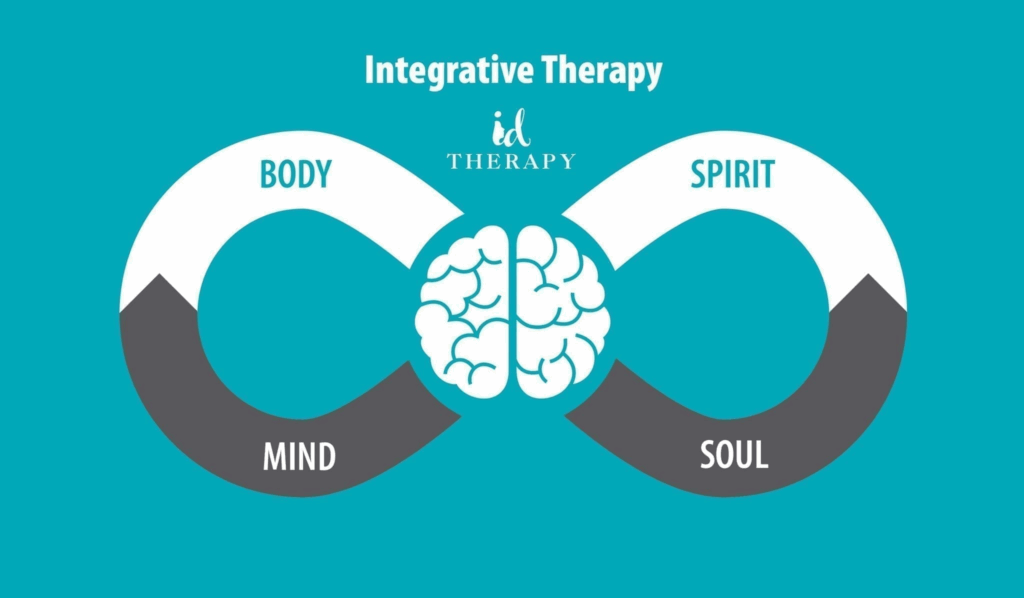
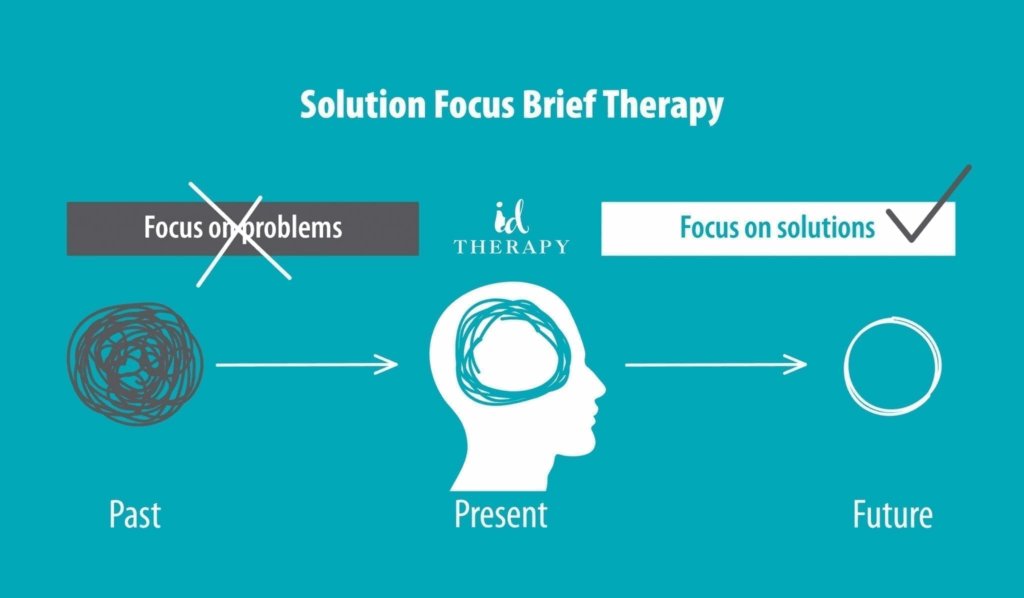
We combine different psychotherapeutic solutions to map the source and manifestation of each symptom. We apply therapy types innovatively to shorten the path to solutions and provide direct context-based diagnosis.
Adress: Naum Ramniceanu Street, no. 23, ap. 1, Sector 1, Bucharest, Romania