

What are phobias, and how do we treat them?
We all have things that frighten or worry us. New places, insects, driving the car over high bridges, or scraping elevators.
And, although sometimes we try to avoid things that bother us, we generally manage to control our fears and continue our daily activities.
However, some people have intense, irrational, and unintentional reactions of fear that cause them to avoid everyday places, situations, or objects, even if they know that there is no danger. Fear doesn’t make any sense, but nothing seems to be able to stop it.
When they are facing a situation that provokes their fear, people may even have a panic attack, a spontaneous onset of intense fear, which makes them feel as if they could stop their breathing and faint, suffer a heart attack or lose control and die. People who face these fears, seemingly out of control, have a phobia.
Types of phobias
There are three types of phobias – agoraphobia, social phobia (also known as social anxiety disorder), and specific phobias.
People with a specific phobia have an excessive and unjustified fear in the presence or anticipation of a particular object, place, or situation. The fear is big enough for the person who feels it, to want to avoid the situation that provokes these negative feelings.
Common specific phobias include animals, insects, heights, thunder, flights, car driving, public transportation, dental or medical procedures, and elevators.
A person with a phobia realizes that fear is irrational, but even thinking about it can cause extreme anxiety.

What are the causes?
Phobia’s causes are not known. If someone in the family has a phobia, the risk of developing a phobia is higher. Sometimes a person may have a phobia because:
- Something terrible happened to him, such as a dog bite
- He had a panic attack in a specific situation, such as taking the elevator
- He saw that something terrible had happened to someone else, for example, that someone had fallen from a building
- He saw someone who was very scared of something, such as sitting in a plane near a person who is fearful of flying
- Learned about something terrible, such as a plane crash
Phobias generally begin during childhood or adolescence. Children have more animal-related phobias, environmental phobias, and blood-injection-injury phobias than adolescents or adults. Situational phobias usually start when a person is an adult.
Scientists believe that phobias are caused by a combination of genetic tendencies, brain chemistry, and other biological, psychological, and environmental factors.
Phobia’s symptoms?
The main symptom of phobia is that the person fears strongly, much more than most people, to be around an object, to be in a situation, or to do an activity.
Even thinking about these things can cause stress. Children manifest anxiety by crying, having bouts of anger, freezing, or sticking to someone else. Adults with phobias know that the intensity of the fear and worry they feel is higher than the danger of being injured by an object, situation, or activity. But children do not understand this about their phobias.
Many people with phobias are more afraid of being hurt by the object or situation, than by the object or condition itself. For example, a person may be afraid to travel by plane because they are worried that the aircraft will collapse.
The intensity of a person’s concern or fear depends on how close they are to the object, situation, or activity they are afraid of. For instance, somebody is more afraid of a spider that is in front of him, than of a spider outside of the window.

To find out if you have a phobia, your doctor/ specialized psychotherapist in phobia will ask you questions about your symptoms, including for how long you have them.
He will also conduct a physical examination and ask you questions about your medical history and the medicines you are taking. This information will help the doctor/psychotherapist find out if you also have another problem.
To be diagnosed with a phobia, you will probably have most of the following symptoms:
- You are more afraid than most people of a particular object, situation or activity
- You feel stressed or have a panic attack when you are near the object or situation
- If you are a teenager or an adult, you understand that the intensity of your fear is not reasonable
- You avoid the object, situation or activity that you are afraid of
- The anxiety and stress you feel makes it difficult to carry out normal activities, such as working every day or shopping


We combine different psychotherapeutic solutions to accurately map the source and the way each symptom manifests. We apply therapeutic approaches in an innovative manner to shorten the path to a solution and to diagnose directly within context.
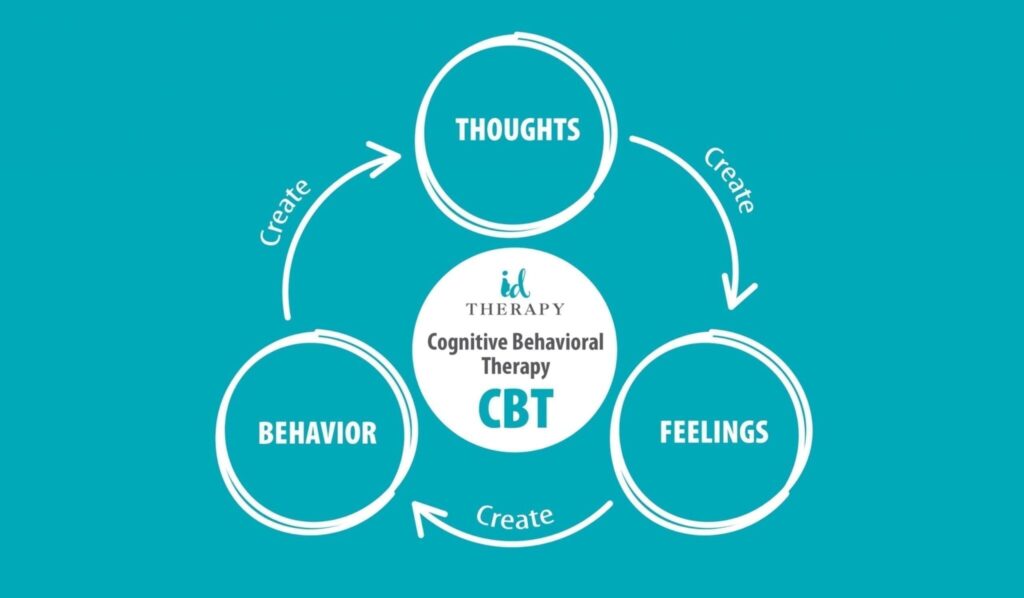
Cognitiv Behavioral Therapy
The way we interpret or think about a particular…

Brief Strategic Therapy
There are personal therapies that last for years and treatments that have conclusive results in a maximum of 10…

Psychiatric Treatment
The combination of psychotherapy and drug therapy is sometimes…

Integrative Therapy
A more flexible and sophisticated approach than traditional psychotherapy, a progressive form of psychotherapy, customized …
Specific phobias are treated by Virtual Reality Exposure Therapy to the phobic causative object.
Virtual Reality Therapy treats specific phobias.

One of the most innovative therapeutic solutions for treating phobias is Virtual Reality Exposure Therapy.
Virtual therapies ensure healing and improvement for the most diverse diseases, through innovative technologies based on virtual reality.
Virtual Reality Therapy (VRT) uses applications and programs of visual immersion with the help of artificially created environments to provide the patient with a safe and comfortable environment where the patient can be stimulated and retract different experiences in order treat specific conditions.
Free yourself from stress and anxiety – breathing exercises
Adress: Naum Ramniceanu Street, no. 23, ap. 1, Sector 1, Bucharest, Romania