

Personality Disorder
What Are Personality Disorders: Causes, Types, Treatment
What is a personality disorder?
These disorders usually begin in adolescence or early adulthood and persist throughout life, affecting how individuals see themselves, others, and the world around them. Personality disorders are diverse and can vary in severity and impact.
What are the causes of personality disorders?
- Genetic factors: Research shows that genetic factors play a significant role in the development of personality disorders. These disorders tend to be more common among family members of affected individuals, suggesting a hereditary component. Certain personality traits and predispositions can be passed from parents to children, increasing the risk of developing a personality disorder.
- Chemical imbalances in the brain: Personality disorders may be associated with chemical imbalances in the brain, particularly involving neurotransmitters such as serotonin and dopamine, which play a crucial role in regulating mood, behavior, and thinking. These imbalances can influence how a person perceives and responds to their environment, contributing to the development of dysfunctional behavioral patterns.
- Biological factors: In addition to chemical imbalances, other biological factors can influence the development of personality disorders. For example, problems in brain development or brain injuries can affect normal brain functioning and contribute to the manifestation of abnormal personality traits. Chronic medical conditions or severe illnesses can also impact mental health and play an important role in the development of personality disorders.
- Childhood trauma: Childhood trauma, such as physical, emotional, or sexual abuse, neglect, and abandonment, are major risk factors for the development of personality disorders. Early negative experiences can shape patterns of thinking and behavior and can affect healthy emotional development. Children who grow up in unstable or abusive environments may develop defense mechanisms that later become dysfunctional personality traits.
- Family dynamics: Family relationships and dynamics play a crucial role in personality development. The lack of a healthy and secure attachment with parents or caregivers, constant family conflict, and dysfunctional parenting models can contribute to the development of personality disorders. Parents who are critical, neglectful, or emotionally unstable can negatively influence their children’s emotional and behavioral development.
- Environmental and social factors: The environment in which a person lives and social factors can also influence the development of personality disorders. Factors such as poverty, isolation, social stress, and exposure to violence can contribute to the emergence of these disorders. Significant life changes and stressful events can also trigger or worsen the symptoms of a personality disorder.
- Interaction between factors: It is important to note that the development of personality disorders is the result of a complex interaction between genetic, biological, and environmental factors. These factors do not act in isolation but influence one another, shaping a person’s behavioral and emotional patterns. For example, a person with a genetic predisposition may develop a personality disorder only in the presence of negative environmental factors, such as childhood trauma or dysfunctional family dynamics.
- Personality traits and temperament: A person’s innate temperament, which refers to the biological aspects of personality present from birth, can influence susceptibility to personality disorders. Certain temperament traits, such as impulsivity, a tendency to withdraw, or exaggerated reactions to stress, can contribute to the development of dysfunctional behavioral patterns throughout life.

What are the common symptoms of personality disorders?
Personality disorders can vary considerably in their specific manifestations; however, there are several common symptoms that are frequently observed in affected individuals. These symptoms can impact thinking, behavior, and interpersonal relationships.
Here are some of the most common symptoms:
- Emotional instability: People with personality disorders often display rapid and intense emotional changes. They may quickly shift from happiness to sadness or anger, making them seem unpredictable and difficult in interpersonal relationships.
- Impulsive behaviors: Impulsivity is a common symptom in many personality disorders. This may include behaviors such as excessive spending, substance use, risky sexual behavior, or making hasty decisions without considering long-term consequences.
- Difficulties in maintaining relationships: Individuals with personality disorders often struggle to maintain stable and healthy relationships. These relationships may be tumultuous, characterized by frequent conflicts and repeated breakups. Communication difficulties and lack of empathy can contribute to these problems.
- Distorted perceptions of self and others: Many individuals with personality disorders have a distorted self-image and difficulty accurately perceiving the intentions and actions of others. They may have very low self-esteem or, conversely, an inflated sense of self-importance.
- Fear of abandonment: An intense fear of abandonment is a common symptom, particularly in borderline personality disorder. Individuals with this issue may make desperate efforts to avoid being abandoned, even if it involves extreme or destructive behaviors.
- Rigid thinking and behavioral patterns: People with personality disorders tend to have rigid patterns of thinking and behavior that appear across various situations and contexts. These patterns are often inflexible and do not adapt well to change or life demands.
- Difficulty managing stress: Many individuals with personality disorders have difficulty coping with stress and may overreact to stressful situations. This can lead to emotional outbursts, destructive behaviors, or social withdrawal.
- Identity problems: Identity issues are common and include uncertainty about personal goals, values, and beliefs. Individuals with personality disorders may struggle to define their identity and maintain a consistent self-image.
- Self-harming behaviors: Self-harming behaviors, such as cutting or burning, are common in certain personality disorders, particularly borderline personality disorder. These behaviors are often used as a way to cope with intense emotions or to attract attention.
- Social isolation: People with personality disorders may tend to isolate themselves due to relationship difficulties or feelings of inadequacy. Social isolation can worsen symptoms and further impair overall functioning.
- Manipulative attitudes and behaviors: Some personality disorders, such as narcissistic or antisocial personality disorder, may include manipulative behaviors and exploitation of others to achieve personal goals. These behaviors can damage relationships and cause ongoing conflict.
- Feelings of emptiness: Feelings of emptiness and worthlessness are common, especially in borderline personality disorder. Affected individuals may feel that their lives lack meaning or that they are unable to find satisfaction in daily activities.
- Excessive attention to details: In obsessive-compulsive personality disorder, excessive focus on details, rules, and order can interfere with task completion and lead to rigidity and inflexibility in behavior.
- Difficulty accepting criticism: People with personality disorders may have significant difficulty accepting criticism or negative feedback. They may react defensively, with anger, or become extremely upset when criticized.
- Hostile behaviors: Hostile and aggressive behaviors are common, especially in antisocial and paranoid personality disorders. These behaviors may include frequent confrontations, verbal or physical violence, and generalized mistrust of others.
How many types of personality disorders are there?
The 10 personality disorders are classified into three main behavioral clusters: eccentric behavior, dramatic or erratic behavior, and anxious or fearful behavior, each containing several specific types.
Each personality disorder has distinct traits and unique manifestations. Symptoms vary from one disorder to another and may affect individuals to different degrees. Below are the details for each specific type, along with an example for each:
Cluster A: Eccentric Personality Disorders
- Paranoid Personality Disorder: Paranoid personality disorder is characterized by suspicion and distrust of others, interpreting their intentions as malicious. Individuals with this disorder are often hypervigilant and may have frequent conflicts with those around them. This condition generally does not progress into a full psychosis, such as schizophrenia. Example: A person who constantly believes that coworkers are conspiring against them, without concrete evidence, may suffer from paranoid personality disorder.
- Schizoid Personality Disorder: Schizoid personality disorder manifests as detachment from social relationships and a restricted range of emotional expression. Individuals with this disorder prefer solitude and may appear cold or indifferent. This disorder goes beyond introversion; introverts may still enjoy social interaction at times. Example: An individual who avoids social events and prefers to spend time alone without feeling the need for emotional connections may suffer from schizoid personality disorder.
- Schizotypal Personality Disorder: Schizotypal personality disorder includes eccentric behaviors and thoughts, ideas of reference, bizarre beliefs, and intense social anxiety. Individuals with this disorder may have difficulty forming close relationships. Example: A person who believes they can communicate telepathically with others and avoids social interactions due to fear of being judged may suffer from schizotypal personality disorder.
Cluster B: Dramatic or Emotional Personality Disorders
- Antisocial Personality Disorder: Antisocial personality disorder is characterized by disregard for the rights and feelings of others, impulsive behavior, and irresponsibility. Individuals with this disorder may have a history of illegal behaviors and lack of remorse. Example: Individuals who frequently break the law and lie to achieve their goals, without feeling guilt or regret, may suffer from antisocial personality disorder.
- Borderline Personality Disorder: Borderline personality disorder manifests through instability in interpersonal relationships, self-image, and emotions, as well as impulsivity. Individuals with this disorder may have tumultuous relationships and engage in self-harming behaviors. Example: A person who frequently argues with their partner and resorts to self-harm during periods of intense emotional stress suffers from borderline personality disorder. This disorder leads to emotional instability and mood changes. Unlike bipolar disorder, it does not usually occur in cycles.
- Histrionic Personality Disorder: Histrionic personality disorder is characterized by excessive attention-seeking and dramatic, theatrical behavior and emotional expression. Individuals may have difficulty accepting situations in which they are not the center of attention. Example: An individual who exaggerates emotions and recounts ordinary events in an extremely dramatic way to attract attention may suffer from histrionic personality disorder.
- Narcissistic Personality Disorder: Narcissistic personality disorder is characterized by a grandiose sense of self-importance, a need for admiration, and a lack of empathy for others. Individuals with this disorder often have fantasies of unlimited success and view themselves as superior. Example: A person who believes they deserve special treatment and expects constant admiration and praise from others may suffer from narcissistic personality disorder.

Cluster C: Anxious or Fearful Personality Disorders
- Avoidant Personality Disorder: Avoidant personality disorder is characterized by social inhibition, feelings of inadequacy, and extreme sensitivity to negative evaluation. Individuals with this disorder avoid social interactions due to fear of rejection. Example: An individual who refuses invitations to social events out of fear of being criticized or ridiculed may suffer from avoidant personality disorder.
- Dependent Personality Disorder: Dependent personality disorder manifests as an excessive need to be cared for, submissive behavior, and fear of separation. Individuals with this disorder may have difficulty making decisions without reassurance from others. Example: A person who relies on their partner for all important decisions and cannot function independently may suffer from dependent personality disorder.
- Obsessive-Compulsive Personality Disorder: Obsessive-compulsive personality disorder includes an excessive preoccupation with order, perfectionism, and control, which interferes with flexibility and efficiency. Individuals with this disorder are often rigid and stubborn. Example: An individual who spends hours organizing their desk perfectly and becomes extremely distressed by any minor disorder may suffer from obsessive-compulsive personality disorder.
Each of these disorders has its own unique characteristics and challenges, which can significantly affect the lives of those affected and the people around them.
Personality disorders can affect not only mental health but also physical health. Individuals with personality disorders may neglect personal hygiene or suffer from insomnia due to anxious thoughts. Diagnosing a personality disorder usually requires a detailed psychiatric evaluation, as it is difficult to determine without medical expertise.
What are the short-term and long-term effects of personality disorders?
- Difficulties in interpersonal relationships: People with personality disorders may have significant difficulty maintaining healthy and stable relationships. Frequent conflicts, misunderstandings, and a lack of empathy can lead to tension with family members, friends, and colleagues.
- Problems in the workplace: Impulsivity, communication problems, and inappropriate behaviors can affect professional performance. People with personality disorders may struggle to meet deadlines, collaborate effectively with colleagues, and maintain professional behavior.
- Emotional instability: Rapid and intense mood changes are common. These may include outbursts of anger, deep sadness, or severe anxiety, affecting the individual’s ability to function normally in daily life.
- Social isolation: Due to relationship difficulties and social anxiety, people with personality disorders may avoid social interactions, which can lead to isolation and feelings of loneliness.
- Impulsive and risky behaviors: Impulsivity can lead to risky behaviors such as substance use, unprotected sexual behavior, excessive spending, or self-harming behaviors. These actions can have immediate negative consequences on the individual’s health and safety.
- Chronic mental health problems: Personality disorders are often associated with other mental health issues, such as depression, anxiety, eating disorders, and substance use disorders. These problems can persist long-term and may require ongoing treatment.
- Difficulties maintaining stable employment: Persistent workplace problems can lead to frequent job loss and difficulty maintaining a stable career. This can affect financial stability and the sense of personal achievement.
- Dysfunctional interpersonal relationships: Interpersonal relationships may remain dysfunctional over the long term, leading to multiple divorces, abusive relationships, or a lack of meaningful relationships. Communication difficulties and lack of empathy can make it hard to maintain healthy and supportive relationships.
- Chronic social isolation: Long-term social isolation can lead to chronic loneliness, which is associated with increased risks to both physical and mental health. Lack of social support can worsen symptoms of depression and anxiety.
- Legal and financial problems: Impulsive and risky behaviors can have long-term legal and financial consequences. People with personality disorders may accumulate significant debt, encounter legal issues, or struggle with managing financial responsibilities.
- Reduced quality of life: The combined effects of mental health problems, relationship difficulties, professional instability, and social isolation can lead to a reduced quality of life. Affected individuals may experience a constant sense of dissatisfaction and lack of fulfillment.
- Increased risk of suicide: People with personality disorders, especially those with borderline personality disorder, have an increased risk of suicidal behaviors. Intense feelings of despair and hopelessness can lead to suicide attempts or persistent suicidal thoughts.
- Impact on physical health: Chronic stress and risky behaviors can negatively impact physical health, contributing to the development of chronic illnesses such as cardiovascular disease, hypertension, and diabetes. Neglecting personal health and medical care can worsen these conditions.
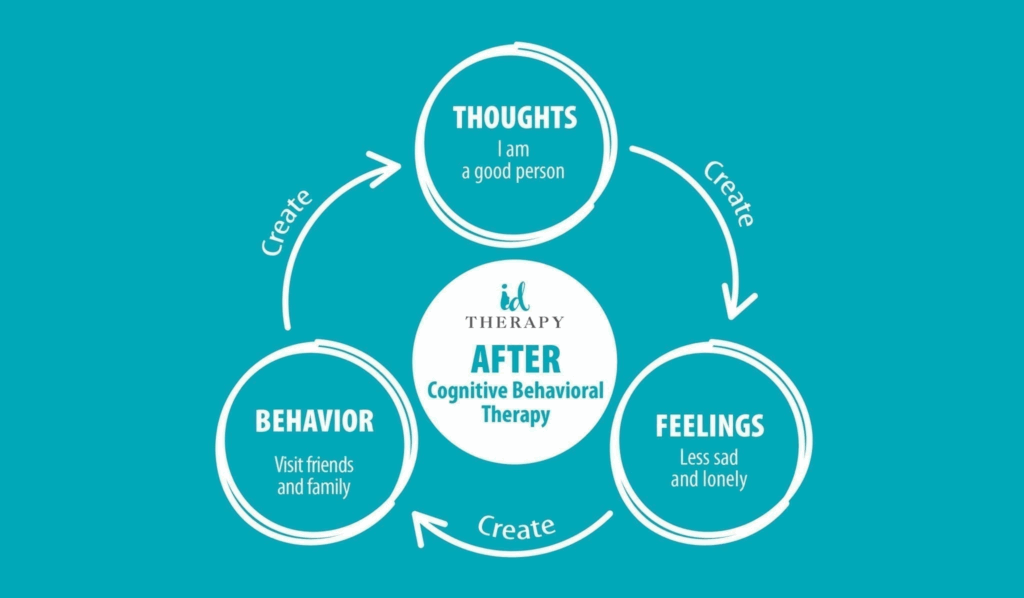
- Cognitive Behavioral Therapy (CBT): Cognitive Behavioral Therapy is one of the most commonly used forms of therapy for personality disorders. CBT helps patients identify and modify negative thought patterns and behaviors that contribute to their disorders.
- Dialectical Behavior Therapy (DBT): This therapy is particularly effective for borderline personality disorder. DBT combines mindfulness techniques with strategies for emotional regulation and improving interpersonal relationships.
- Psychodynamic Therapy: This therapy focuses on understanding how childhood experiences and past relationships influence current behaviors and thoughts. Psychodynamic therapy can help uncover the deep-rooted causes of personality disorders.
- Group Therapy: Participation in support groups or group therapy can provide patients with a support network and the opportunity to learn from others facing similar problems.
- Medication: In certain cases, medication may be used to treat specific symptoms of personality disorders, such as anxiety, depression, or impulsivity. Medication should always be administered under the supervision of a medical professional.
- Relaxation and mindfulness techniques: Practices such as meditation, breathing exercises, and progressive muscle relaxation can help manage stress and improve emotional regulation.



- Early childhood interventions: One of the most effective prevention methods involves early interventions for children who show signs of problematic behavior or difficult personality traits. Behavioral therapy and psychological support can help children develop emotional regulation and problem-solving skills.
- Parental education and family support: Proper parental education and a stable, supportive family environment are essential. Parents can learn positive discipline techniques and effective communication strategies to create a safe and secure environment for children. Family interventions can also help manage stress and conflicts within the family.
- Stress management: Learning stress management techniques can be useful both for preventing and managing personality disorders. Practices such as mindfulness, meditation, and breathing exercises can help reduce anxiety and stress, which are risk factors for the development of personality disorders.
- Education and awareness: Education about mental health and awareness of personality disorder symptoms can help with early identification of problems and seeking professional help. Public awareness campaigns and educational programs in schools can help reduce stigma and encourage access to treatment.
- Counseling and psychological support: People who have experienced trauma or significant negative experiences can benefit from counseling and psychological support to prevent the development of personality disorders. Psychological therapy can help process trauma and develop healthy coping mechanisms.
- Promoting a healthy lifestyle: Adopting a healthy lifestyle, including a balanced diet, regular physical exercise, and adequate sleep, can contribute to overall mental health and reduce the risk of personality disorders. Recreational activities and hobbies can also help manage stress and improve well-being.
- Community support: Participation in support groups and community activities can provide a support network that helps prevent social isolation and promotes healthy relationships. Community involvement can offer a sense of belonging and contribute to the development of social skills.
- Monitoring and screening: Regular screening and monitoring of mental health, especially for individuals with increased risk factors, can help identify problems early and allow for prompt intervention. Healthcare professionals can use assessment tools to detect early signs of personality disorders.
- School-based intervention programs: School-based intervention programs focused on developing children’s social and emotional skills can be beneficial. These programs can encourage children to manage their emotions effectively and develop positive relationships with their peers.
How can ID Therapy Clinic help in treating personality disorders?
ID Therapy Clinic offers a wide range of specialized services for the treatment of personality disorders, combining innovative therapy methods with modern technologies. These services are personalized to meet the specific needs of each patient and to provide comprehensive support throughout the recovery process.
ID Therapy Clinic is known for its advanced therapeutic approaches and dedicated team of specialists, who work together to deliver personalized treatments. The clinic emphasizes combining different types of therapy to effectively identify and treat the sources of mental health problems.
- Cognitive Behavioral Therapy (CBT): Cognitive Behavioral Therapy, abbreviated as CBT, is a form of therapy that helps patients identify and change negative thinking patterns and behaviors. CBT is effective for a variety of personality disorders and is supported by scientific research.
- Strategic Brief Therapy: Strategic Brief Therapy is a solution-oriented therapeutic method focused on rapid and effective resolution of specific problems. It helps patients achieve their therapeutic goals in a shorter time.
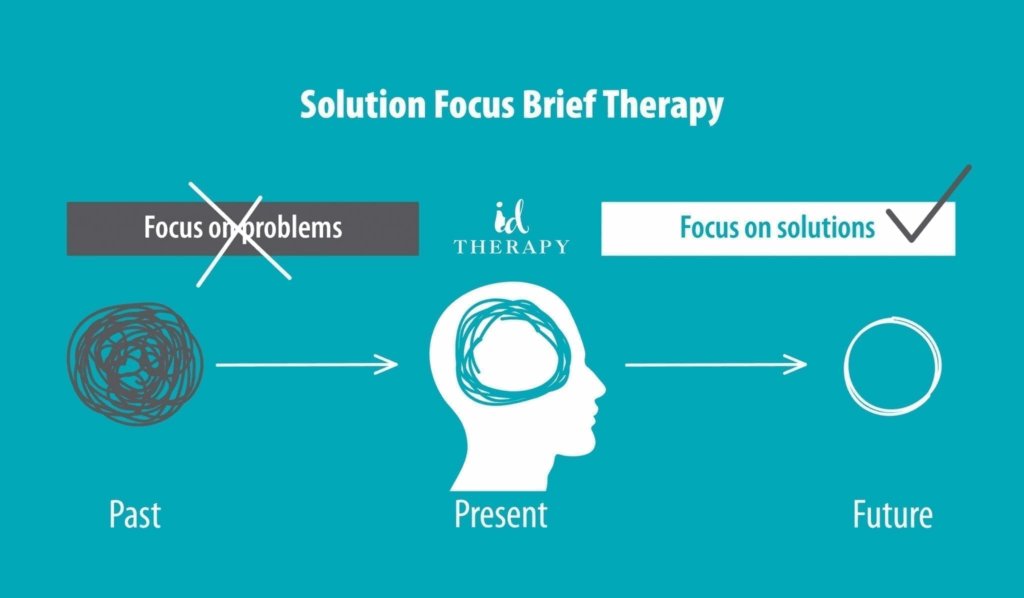
- Solution-Focused Brief Therapy (SFBT): The collaborative approach of SFBT focuses on identifying and achieving the patient’s goals, emphasizing their resources and strengths.
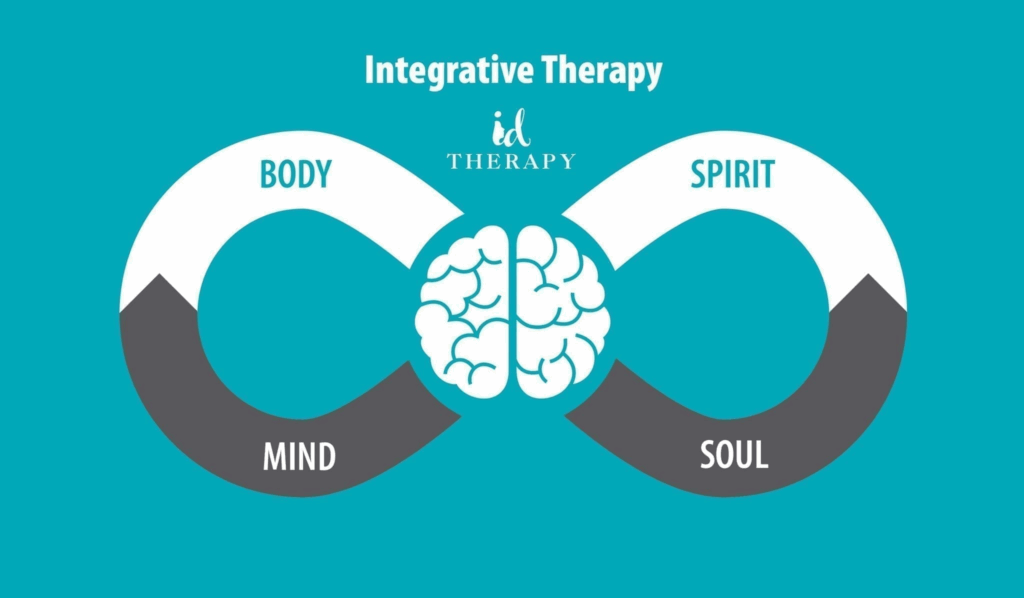
- Integrative Therapy: Integrative Therapy is a flexible method that combines different therapeutic techniques to meet the specific needs of each patient. Integrative therapy is designed to provide complete and holistic support.
- Anxiety
- Depression
- Panic attacks
- Stress
- Traume psihologice
- Insomnia
- Eating disorders
- Addictions (nicotine, alcohol)
- Schizophrenia
- Bipolar disorders
Adress: Naum Ramniceanu Street, no. 23, ap. 1, Sector 1, Bucharest, Romania