

Panic Attack
What Is a Panic Attack: Causes, Types, Symptoms, Treatment
What is a panic attack?

What are the causes of panic attacks?
Although the triggers that cause a panic attack are unknown or unclear, you may also experience such a disorder if there are family members who have gone through this experience.
There is also a link between panic attacks and major life changes, such as finishing studies and entering the workforce, getting married, or expecting your first child.
Intense stress caused by the death of a loved one or losing a job can trigger a panic attack.
After experiencing your first panic attack, you tend to become extremely attentive to any changes in your body and to what happens around you, and this creates the conditions for new episodes to occur.
Panic attacks do not come out of nowhere; they have deep roots in various aspects of our lives, from everyday stress to painful memories. Let’s explore together the most common causes behind these overwhelming episodes:
- Intense stress
- Genetic factors
- Past trauma
- Major life changes
- Substance use
- Fear of being afraid
Past trauma can leave deep marks on our psyche even when we believe we have overcome difficult moments. Whether we are talking about abuse, accidents, or other painful events, these memories can be like wounds that never fully heal.
Laura, for example, suffered a car accident many years ago. Even though her physical injuries healed, the traces left in her mind are deeply rooted. One day, while in a taxi, the driver brakes suddenly, and Laura feels all the emotions of the past trauma return with force. It’s as if her heart beats again in the same rhythm of panic and desperation, showing how powerful trauma’s influence can be.
Changes—even welcome ones—can be challenging. Moving to a new home, changing jobs, getting married, or having a child all bring an avalanche of emotions. It’s as if you are caught in a storm of feelings, and your body and mind struggle to adapt to life’s new course. This transition can be overwhelming and can sometimes trigger panic attacks.
Andreea and her husband began a new stage in their lives, full of hopes and dreams. Yet, in the middle of joy, Andreea feels a wave of anxiety. While preparing the baby’s room, she feels her heart beating faster and her thoughts being disturbed by unexpected fears. It is a moment of vulnerability, in which major changes make their presence felt through panic attacks.
Substances such as alcohol or coffee can unleash chaos in our nervous system. A cup of coffee can act like a sudden jolt, triggering panic attacks and amplifying anxiety. Likewise, abruptly quitting these substances can cause similar reactions.
For example, George, caught up in hectic days, relies on coffee to keep up with the fast pace. But one morning, this habit backfires. He feels his heart pounding, his hands shaking, and the world spinning around him. It’s as if his nervous system has been struck by lightning, triggering a panic attack due to excessive caffeine.
Panic disorder is one of the most debilitating mental health conditions, and the fear of having another panic attack is one of the most frustrating aspects of this experience. This constant fear can itself become a trigger for further attacks, creating a vicious cycle that is hard to break.
Here is Ioana’s case: she experienced her first panic crisis during a university exam. Since then, the fear of another attack became a constant presence in her life. One day, during a lecture, she feels the same warning signs again—cold sweats, a pounding heart, and overwhelming fear. Panic disorder triggers another panic attack, maintaining a vicious cycle of distress.
Every factor matters in the fight against panic attacks, but recognizing them is the first step toward healing. You are not alone in this battle.
At ID Therapy Clinic, we are here for you, ready to support you on this journey to healing. Our team of therapists specialized in mental health is prepared to listen, understand, and guide you in overcoming panic attacks. By identifying what affects you, you can take steps to protect your mental and emotional health. These examples show how different the causes of panic attacks can be, highlighting the complexity of our experiences. Understanding and awareness are essential in facing this challenge and getting through difficult moments.
How many types of panic attacks are there?
There are two main types of panic attacks, each with its own characteristics. Let’s explore them together:
Imagine you are having an ordinary day—walking in the park or calmly reading at home. Suddenly, with no warning, you begin to feel intense fear, your heart pounds, your breathing becomes heavy, and you are overwhelmed by a sense of losing control. This is an unexpected panic attack.
Unexpected panic attacks occur without an obvious trigger and can erupt at any moment, regardless of context. They can be particularly frightening because you cannot anticipate when they will happen. They seem to come out of nowhere, leaving you completely unprepared and vulnerable—like walking on a calm road and suddenly finding yourself in a violent storm without shelter nearby.
Panic attacks during sleep are an example of unexpected panic attacks. Although research on nocturnal attacks is limited, it is known they can occur for various reasons, including stress, anxiety, or genetic factors. During such an episode, the individual may wake suddenly, experiencing intense fear, palpitations, sweating, and difficulty breathing, making it hard to relax and fall asleep again.
Imagine you are about to give an important speech in front of a large crowd or you must fly for the first time. Hours before the event, you start feeling increasing restlessness, and when you face the crowd or sit in the airplane seat, fear becomes overwhelming. Your heart races, you get cold sweats, and you feel you can’t breathe properly. This is an expected panic attack.
Expected panic attacks are triggered by specific situations perceived as extremely stressful or frightening. They are often associated with phobias or anxieties related to particular contexts, such as public speaking, flying, crowded places, or other situations causing extreme discomfort. It’s as if you know danger is coming, and anticipation amplifies your fear and triggers the attack.
Both types can be devastating and significantly affect quality of life. Understanding the differences helps identify causes and find suitable coping strategies. In both cases, recognizing symptoms and seeking professional help is essential. At ID Therapy Clinic, we are here for you on this journey. Through personalized therapy and effective approaches, we will help you cope with anxiety and regain control over your emotional life.
What are the symptoms of a panic attack?
-
- Palpitations or rapid heartbeat: Maria is sitting calmly at her desk when, suddenly, her heart starts racing. She becomes frightened and feels unable to control her accelerated heartbeat.
- Excessive sweating: During an important meeting, Alexandru feels his palms getting wet and his face suddenly covered in sweat, even though the room is cold.
- Trembling or muscle jerks: Ioana is about to go on stage for a speech when her hands and legs begin to shake uncontrollably.
- Sensation of choking or shortness of breath: George wakes in the middle of the night feeling he cannot breathe, as if something is suffocating him.
- Chest pain or discomfort: While watching TV, Laura feels sudden chest pain and panics, thinking she is having a heart attack—yet it is a panic attack symptom.
- Fear of losing control: Andreea is at a conference and feels everything becoming chaotic, fearing she will lose control and embarrass herself.
- Feeling of unreality (derealization) or detachment from self (depersonalization): Mihai feels the world becoming unreal, like in a dream, and disconnected from his body.
4. Extreme anxiety and restlessness: Victor is on a bus and feels deep restlessness, unable to sit still, and gets off at the first stop even if it’s not his destination.- Fear of losing control: Andreea is at a conference and feels everything becoming chaotic, fearing she will lose control and embarrass herself.
Differentiating physical vs. emotional/psychological symptoms
Physical symptoms affect the body—palpitations, sweating, breathing difficulties—often visible and easily confused with medical conditions, which can make them even more frightening.
Emotional/psychological symptoms affect the mind and emotional state—fear of losing control, unreality, extreme anxiety—making panic attacks mentally overwhelming.
Understanding and recognizing these symptoms is a crucial step in managing and treating panic attacks. It’s important to know you are not alone, and ID Therapy specialists are ready to offer solutions and support.
Differentiating physical vs. emotional/psychological symptoms
The trigger: Everything begins with a trigger, which may be a stressful situation, a negative thought, or sometimes nothing specific at all. It is as if you sense a threatening shadow but cannot clearly identify where it is coming from.
The physical response: Your body reacts immediately to the trigger by releasing large amounts of stress hormones into the bloodstream. Your heart starts racing, your breathing becomes irregular, and your muscles tense up, preparing you for fight or flight.
Intense physical sensations: As your heart pounds and your breathing becomes chaotic, you begin to experience a range of intense physical sensations. These may include a lump in the throat, trembling in the hands and legs, dizziness, or a feeling of losing balance.
The feeling of panic: A powerful wave of panic hits you, and fear spreads rapidly throughout your entire body. It feels as though you are caught in a whirlwind of negative emotions, unable to find a safe refuge.
Distressing thoughts: Your mind turns into a chaotic space, filled with racing, distressing thoughts. You may worry that you will not cope, that you might die, or that you will lose control.
Heightened sensitivity to the environment: At the same time, you become extremely sensitive to everything happening around you. Sounds seem louder, light appears brighter, and every physical sensation feels intensified, further increasing the intensity of the panic attack.
The vicious cycle of fear: All these symptoms interact and amplify one another, creating a vicious cycle of fear that feels never-ending. The more overwhelmed you feel by the panic attack, the stronger the fear becomes, continuing to fuel this downward spiral.

How does a panic attack manifest in women?
Panic attacks in women are common, given the roles they have in modern society. After age 50, a woman has a higher risk of having a panic attack—especially if she faces stressful life events and health issues.
This is the conclusion of a study published in 2003 in the journal Archives of Internal Medicine. Panic attacks in women are triggered by stressful life events.
More than 3,000 women aged 50–79 participated, completing detailed questionnaires about heart disease, respiratory issues, migraines, panic and other symptoms, stressful life events in the previous year, and limitations caused by panic attacks.
Researchers found:
- 18% experienced panic attacks in the last six months.
- 13% had severe panic attacks affecting social activities and daily life.
- 7% had panic attacks with limited symptoms (only rapid or irregular heartbeat).
- 14% of severe panic attacks occurred in women aged 50–59.
- One-third of women with severe panic attacks also suffered from depression.
How does a panic attack manifest in men?
- Reluctance to express emotions: men are often taught to suppress emotions, making it harder to identify and express anxiety or fears.
- Gender roles and social expectations: pressure to be strong and in control can worsen symptoms and make management harder.
- Stigma around vulnerability: shame or feelings of failure may prevent men from seeking help.
- Career and performance stress: pressure to succeed and provide can trigger attacks due to professional stress and financial responsibility.
What should you do when you have a panic attack?
- Breathe deeply and slowly: focus on breathing to calm the nervous system.
- Acknowledge the panic attack: accept it as a panic attack, not a real threat; remind yourself it will pass.
- Focus on the present: avoid future-oriented thoughts; ask what you can do now to calm down.
- Use relaxation techniques: meditation, yoga, or guided visualization.
- Seek support: ask friends, family, or mental health professionals for support.
- Be gentle with yourself: allow time to recover; don’t criticize yourself.
Consider therapy: if attacks are frequent or disruptive, consult a therapist—ID Therapy can provide effective strategies.
What strategies exist to stop a panic attack?
- Use deep breathing: Controlled breathing can be extremely effective in calming the nervous system and reducing anxiety. Try to inhale deeply and exhale slowly, focusing on each breath. As you inhale deeply, count to four; then hold your breath for a few seconds and finally exhale slowly through your mouth, fully releasing the air from your lungs.
- Practice mindfulness techniques: Mindfulness techniques can help you focus on reality and on what exists around you. Because a panic attack can cause feelings of detachment or disconnection from reality, practicing mindfulness can counteract this by bringing you closer to what is actually happening. Focus on familiar physical sensations, such as pressing your feet firmly into the ground or feeling the texture of your jeans with your fingers. These specific sensations firmly anchor you in the present moment and give you something concrete to focus on.
- Use muscle relaxation techniques: Like deep breathing, muscle relaxation techniques can help stop a panic attack by gaining greater control over your body’s response. Consciously relax one muscle at a time, starting with something simple such as your fingers and gradually moving through the entire body. Muscle relaxation techniques are most effective during a panic attack when they have been practiced beforehand.
- Repeat a mantra silently: Repeating a mantra in your mind can be calming and reassuring and can give you something to hold on to during a panic attack. Whether it is simply “This will pass” or a mantra with personal meaning, repeat it silently until you feel the panic attack beginning to subside.
- Keep lavender close by: Lavender is well known for its calming and stress-relieving properties and can help you relax. If you know you are prone to panic attacks, keep lavender essential oil nearby and apply it to your forearms during an attack. Inhale the scent. You may also try drinking lavender or chamomile tea—both are relaxing and soothing.



How is a panic attack diagnosed?
Recognizing the symptoms: It is essential to understand the symptoms, such as a sensation of choking, palpitations, dizziness, intense fear, and loss of control.
Seeking medical help: In this situation, you may consult your family doctor or directly seek a mental health specialist, such as a psychiatrist or psychologist. A medical professional is best qualified to properly evaluate and diagnose the condition.
Assessment of symptoms and medical history: The doctor will discuss the symptoms with the patient and review a detailed medical history, including potential triggers and any past trauma or mental health disorders.
Ruling out other medical conditions: To ensure an accurate diagnosis, the doctor may request additional tests to exclude other medical conditions, such as heart problems or thyroid disorders.
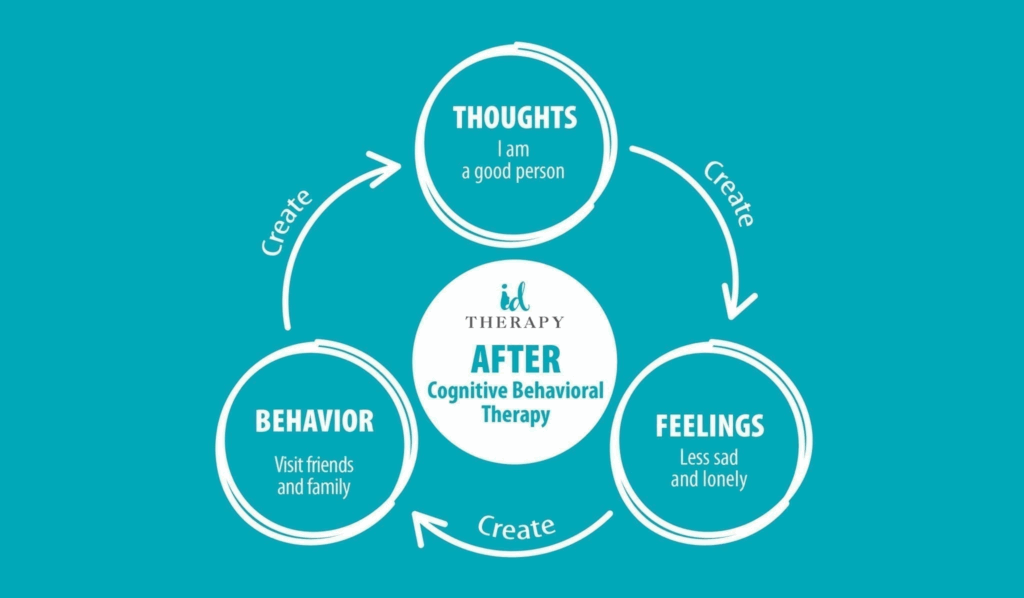
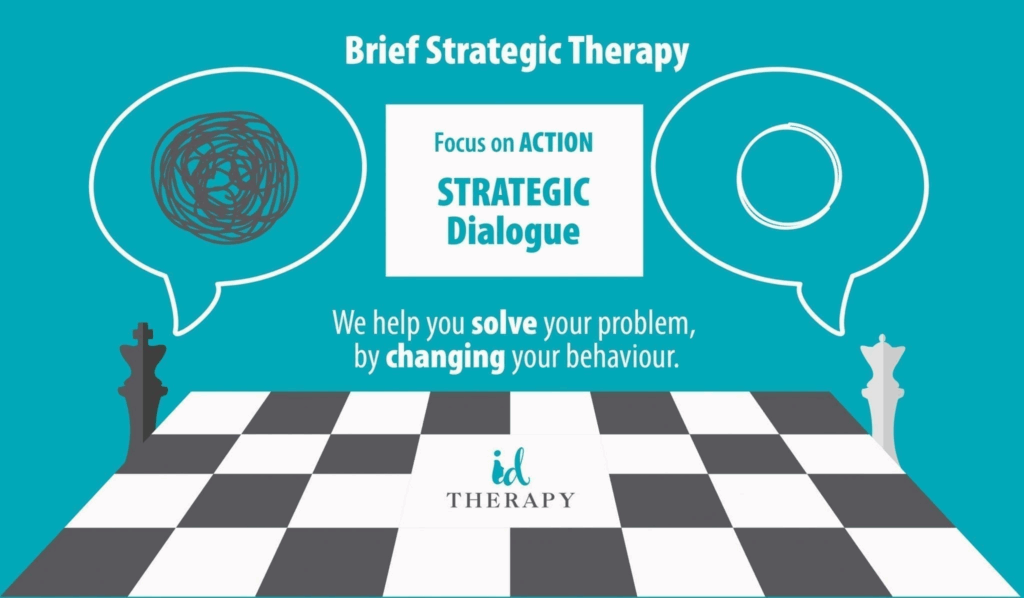
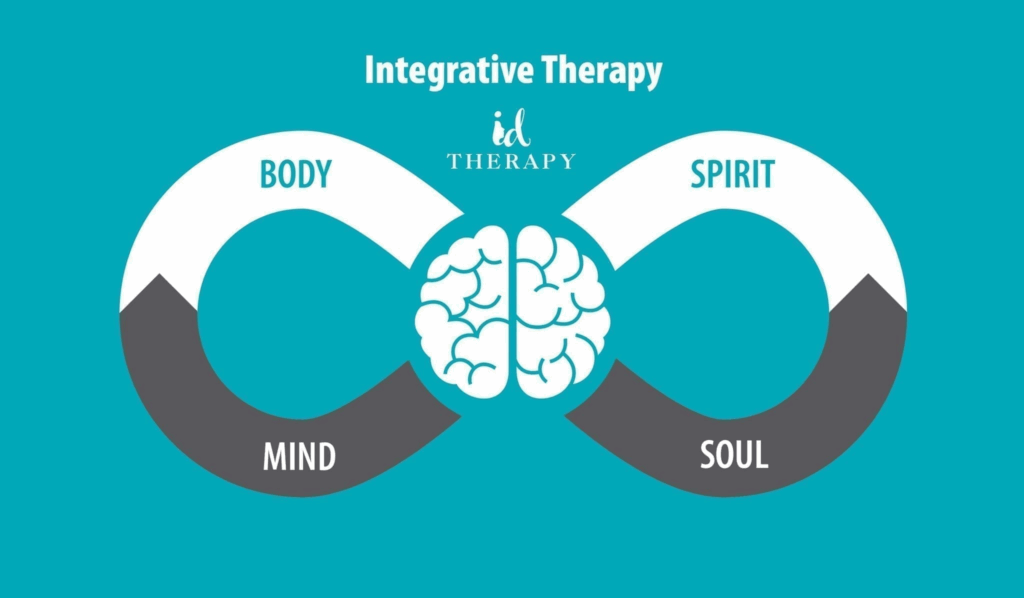
Establishing the diagnosis and treatment plan: Based on the evaluation, the doctor will determine the diagnosis and recommend a personalized treatment plan, which may include cognitive behavioral therapy, anxiolytic or antidepressant medication, and other stress management interventions.

Panic attacks – treatment

What complications can occur if you don’t treat panic attacks?
Decline in quality of life: Untreated panic attacks can significantly affect a person’s quality of life, causing them to avoid certain activities or situations that might trigger an attack. This can lead to social isolation, loss of interpersonal relationships, and a general decrease in life satisfaction.
Severe anxiety attacks: Severe anxiety attacks are overwhelming and frightening moments in which anxiety reaches extreme levels. During these episodes, anxiety symptoms become debilitating, leading to intense discomfort, strong heart palpitations, cold sweats, and a suffocating sense of fear. For those who experience them, it can feel as though both mind and body are caught in a whirlwind of distress and fear, with panic becoming overpowering. These anxiety attacks can be so intense that they impair normal functioning and the ability to cope with daily activities. It may feel like fighting an inner monster that prevents you from feeling safe and calm. Recognizing and treating these severe anxiety attacks is essential, as ignoring them can result in serious consequences for mental and emotional health. Seek help and support when you feel unable to cope with these difficult moments on your own. Understanding and healing these inner struggles can be the first step toward a calmer, more balanced life.
Depression and other mental health disorders: Individuals who suffer from untreated panic attacks have a higher risk of developing depression or other mental health disorders. This is due to the psychological impact of persistent anxiety and stress symptoms on self-esteem and overall emotional well-being.
Substance abuse: In an attempt to cope with anxiety and stress symptoms, some individuals may resort to the misuse of alcohol or drugs. This form of self-medication can worsen health problems and lead to addiction and other complications.
How can panic attacks be prevented?
Healthy lifestyle: Adopting a balanced lifestyle that includes healthy nutrition, regular physical exercise, and adequate sleep can significantly reduce the risk of panic attacks. Physical activity, in particular, has been associated with lower levels of stress and anxiety.
Stress management techniques: Learn and practice effective stress management techniques such as meditation, deep breathing, yoga, or guided visualization. These methods can help calm the nervous system and reduce anxiety.
Avoiding triggers: Identify and avoid situations or stimuli that may trigger panic attacks. Whether it involves crowded places, demanding activities, or tense social interactions, avoiding these triggers can lower the risk of panic attacks.
Maintaining social relationships and emotional support: Maintain healthy social relationships and seek emotional support from family, friends, or support groups. These connections can have a positive impact on mental health and help reduce anxiety levels.
Counseling and therapy: Participate in psychological counseling or therapy. These provide a safe and supportive environment for exploring and managing emotions and thoughts that may contribute to panic attacks.
Therapists at ID Therapy Clinic can also offer personalized strategies for managing stress and anxiety. By incorporating these methods and practices into your daily life, you can help prevent panic attacks and maintain optimal mental and emotional well-being. Do not hesitate to seek help and support when you feel unable to cope with anxiety and stress on your own.
What myths exist about panic attacks?
Myth 1: Panic attacks are merely a sign of weakness or lack of willpower.
Reality: Panic attacks are real mental health disorders that can affect anyone, regardless of willpower or personal strength. They are caused by biological, genetic, and psychological factors and are not a sign of personal weakness.
Myth 2: Panic attacks are dangerous and can lead to losing one’s mind or to death.
Reality: Although panic attacks can be frightening and debilitating, they are not dangerous and do not lead to insanity or death. It is important to understand that panic attacks are temporary and transient and do not pose a serious threat to health.
Myth 3: Panic attacks are just an exaggerated reaction to stress and do not require medical treatment.
Reality: Panic attacks are a mental health condition that requires appropriate treatment. Ignoring or neglecting symptoms can lead to more serious complications and a reduced quality of life. Seeking medical and therapeutic help is essential to receive proper treatment and support.
Myth 4: People with panic attacks are always anxious and panicked.
Reality: Individuals who suffer from panic attacks may experience periods of intense anxiety and panic, but these symptoms are not constant. Outside of panic attack episodes, many people function normally and may not show obvious signs of anxiety.
Myth 5: Panic attacks cannot be treated and you must simply learn to live with them.
Reality: Panic attacks are treatable, and affected individuals can benefit from therapy and other stress and anxiety management interventions. With appropriate support, many people are able to reduce their symptoms and regain control over their emotional lives.
How can ID Therapy Clinic help you get rid of panic attacks?
At ID Therapy, we deeply understand how overwhelming and frightening the feelings you experience after a panic attack can be. We know that these moments may feel unbearable and can significantly affect your quality of life.
We are here to support you and help you find the calm and balance you need. At our clinic, we offer a wide range of personalized therapies designed to address both the causes and symptoms of panic attacks. Our dedicated team of specialists will support you throughout the entire healing process, using proven and effective methods to help you regain control over your life.
We invite you to take the first step toward a calmer, more balanced life, knowing that you are not alone in this struggle. At ID Therapy, we are here for you—with empathy and professionalism—ready to help you overcome these difficult moments and rediscover your inner strength.
Experience advanced neuromodulation
Free yourself from stress and anxiety – breathing exercises
Conclusion
You don’t have to fight panic attacks alone. With appropriate support from specialized therapists and those around you, you can learn to manage and overcome this mental health condition. Every small step you take toward recovery and healing is a step toward a happier, more balanced life.
Dr. Nadia Gorduza is the only psychotherapist physician in Romania specialized in Couples Therapy using the Gottman Method and in Virtual Reality Therapy for Phobias and Addictions, Anxiety Management. She is a representative of the Gottman Institute in Seattle, USA, as well as the Virtually Better INC Institute, Atlanta, USA.
Adress: Naum Ramniceanu Street, no. 23, ap. 1, Sector 1, Bucharest, Romania