

Eating Disorders
What Are Eating Disorders: Causes, Types, Treatment
What are eating disorders?
Eating disorders are serious and complex conditions characterized by irregular eating habits and an excessive concern with weight and body image. These disorders are not only about food, but reflect deep psychological issues, affecting an individual’s physical, psychological, and social health.
Examples of such disorders include anorexia nervosa, bulimia nervosa, and compulsive eating (binge eating). People affected by these disorders exhibit dysfunctional eating patterns that can be life-threatening and require medical and psychological intervention to be treated effectively.
What are the common causes of eating disorders?
- Genetic and biological factors: Research suggests that genetic predisposition plays a significant role. People with close relatives affected by these disorders have a higher risk, as genes influencing eating behavior, weight, and stress response contribute to this predisposition.
- Chemical imbalances in the brain: Neurotransmitters like serotonin and dopamine regulate mood and appetite. Imbalances can affect food intake control; for example, low serotonin is linked to anxiety and depression, which can worsen dysfunctional eating.
- Gene–environment interaction: While genetics provide the predisposition, the environment triggers the disorder. Stress, trauma, and sociocultural influences can “activate” these genes, demonstrating a complex multidimensional interaction.
- Psychological factors: Low self-esteem, perfectionism, and anxiety are common. Low self-esteem leads to extreme body image concerns, while perfectionism fuels the drive toward unrealistic physical standards.
- Emotional trauma and abuse: Traumatic experiences or chronic stress often create a psychological need for control, which manifests as strict monitoring of food and weight. Food frequently becomes a coping mechanism for negative emotions.
- Sociocultural factors and Media influence: Modern society and social networks promote “impossible” beauty ideals. Constant exposure to edited images of influencers and models conveys that success is tied to a specific physical appearance.
- Culture and beauty ideals: Popular culture glorifies thinness in movies and TV, creating unreachable expectations that contribute to the development and perpetuation of eating disorders.
- Social impact and Peer pressure: Social circles, constant comparisons, and diet culture discussions can intensify feelings of inadequacy and trigger unhealthy behaviors.
- Social media impact: Platforms like Instagram and TikTok use filters and edits to promote “perfect” lives and bodies, fueling insecurities and obsessive behaviors related to food and weight.
- Family atmosphere: In families where conflict, lack of communication, or a lack of emotional support prevail, children may develop eating disorders as a coping mechanism to deal with stress and insecurity.
- Negative eating models: Parents or family members with unhealthy habits, such as extreme dieting or compulsive eating, can pass these behaviors to children. The pressure to maintain a certain weight can be perpetuated across generations.
- Peer and group influences: Adolescents are particularly vulnerable to peer group norms. Comments about appearance and constant comparisons can lead to a distorted self-image and the adoption of extreme dieting or exercise behaviors.
What are the most common eating disorders?

1. Bulimia nervosa
Bulimia nervosa is a complex disorder that involves recurrent episodes of excessive food consumption, followed by compensatory behaviors aimed at eliminating food, such as self-induced vomiting or excessive use of laxatives. Affected individuals are often deeply concerned about their weight and use food elimination as a method of weight control.
These repeated behaviors can lead to serious health problems, including electrolyte imbalances, which can affect the heart and other vital organs, as well as damage to the teeth and esophagus caused by stomach acid.

2. Anorexia nervosa
3. Binge eating disorder
Binge eating disorder is characterized by episodes of excessive food consumption in which the person cannot control the amount of food ingested. Unlike bulimia, these episodes are not followed by purging behaviors, which can lead to obesity and associated health problems such as type 2 diabetes and high blood pressure.
Feelings of guilt and shame often appear after binge-eating episodes, intensifying emotional distress.

What are the symptoms of eating disorders?
- Excessive concern with weight and body image: Affected individuals spend a lot of time thinking about their weight and physical appearance, developing an obsession with diets and physical exercise.
- Excessive concern with weight and body image: Affected individuals spend a lot of time thinking about their weight and physical appearance, developing an obsession with diets and physical exercise.
- Dramatic changes in weight: Large weight fluctuations, whether rapid loss or significant gain, may be a sign of eating disorders. These changes can negatively impact physical and emotional health.
- Irregular eating habits: Food consumption may become chaotic, with episodes of binge eating followed by periods of starvation or severe dietary restriction.
- Reluctance to eat in public: People with eating disorders may avoid eating in front of others due to fear of being judged or a desire to hide unusual eating behaviors.
- Excessive physical exercise: In order to control weight, some individuals may resort to intense and excessive exercise, placing strain on the body and risking injury.
- Social isolation: Eating disorders can lead to withdrawal from social life and isolation due to shame and anxiety related to food and body image.
- Recurrent episodes of binge eating: Rapid consumption of large amounts of food in a short period of time.
- Purging behaviors: Self-induced vomiting, excessive use of laxatives or diuretics.
- Swollen salivary glands: Caused by frequent vomiting.
- Tooth damage: Enamel erosion caused by stomach acid.
- Severe food restriction: Extremely limited intake of food and calories.
- Significant weight loss: Drastic weight reduction leading to underweight status.
- Distorted body image perception: Feeling overweight even when underweight.
- Amenorrhea: Absence of menstruation in women.
- Episodes of compulsive eating: Excessive food consumption even when not hungry.
- Feelings of guilt and shame: Negative emotions after binge-eating episodes.
- Rapid food consumption: Eating very quickly during episodes.
- Eating in secret: Hiding eating habits from others.
How are eating disorders diagnosed?
- Initial assessment: The first crucial step is a detailed evaluation by a mental health specialist. This includes a clinical interview exploring symptoms, eating habits, and medical history to provide a solid foundation for a personalized treatment plan.
- Physical examination: A complete physical examination is essential to assess overall health and identify complications. This includes measurements of height and weight, as well as necessary laboratory analyses.
- Evaluation of general health status: Physical exams identify issues like malnutrition, electrolyte imbalances, and heart issues. Blood tests monitor essential vitamins and minerals, while doctors assess liver and kidney function to detect dysfunctions caused by unhealthy habits.
- Psychological evaluation: Specialists conduct an in-depth evaluation using questionnaires and structured interviews to understand the patient’s emotional state and how symptoms impact their daily life.
- Evaluation of emotional and mental state: This step identifies underlying issues such as anxiety, depression, or PTSD. Understanding these experiences is vital for tailoring the treatment plan to the patient’s specific mental needs.
- Diagnostic criteria: Accurate diagnosis is established based on the Diagnostic and Statistical Manual of Mental Disorders (DSM-5), which provides clear specifications for anorexia, bulimia, and binge eating.
- DSM-5 (The Gold Standard): The DSM-5 helps identify essential symptoms and severity. It distinguishes between the restriction and distorted perception of anorexia, the binge-purge cycle of bulimia, and the excessive consumption without compensation found in binge eating disorder.
- Ongoing evaluation: Continuous evaluation allows doctors to observe disease progression and adjust treatments based on the patient’s specific response, ensuring the plan remains effective over time.
- Benefits of long-term monitoring: Long-term care allows for early detection of relapses, management of treatment side effects, and provides the patient with a sense of security and psychological comfort.
- Strategies for effective monitoring: An effective plan includes regular medical visits, periodic testing, and open communication. Patients are encouraged to actively report changes in their condition.
- Technology supporting evaluation: Modern tools like home monitoring devices and telemedicine platforms allow for real-time data collection, helping doctors adjust treatment plans even remotely.
- Patient involvement: Active participation is essential. Educating patients on the importance of monitoring empowers them to take shared responsibility for their recovery process.
- Multidisciplinary relevance: Continuous evaluation is a core principle across all medical specialties, ensuring constant supervision and adjustment based on the patient’s unique evolution.
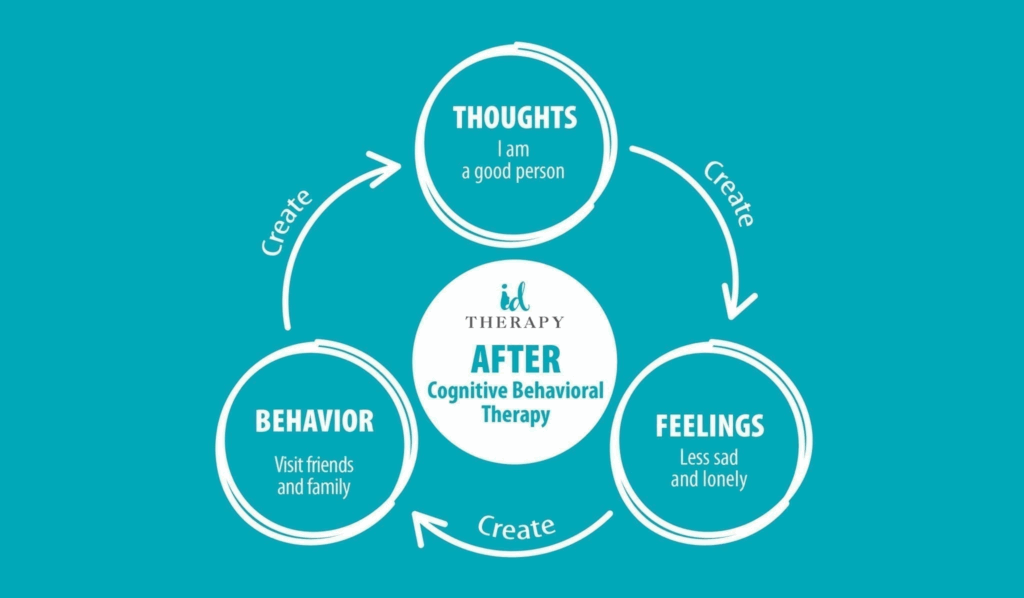

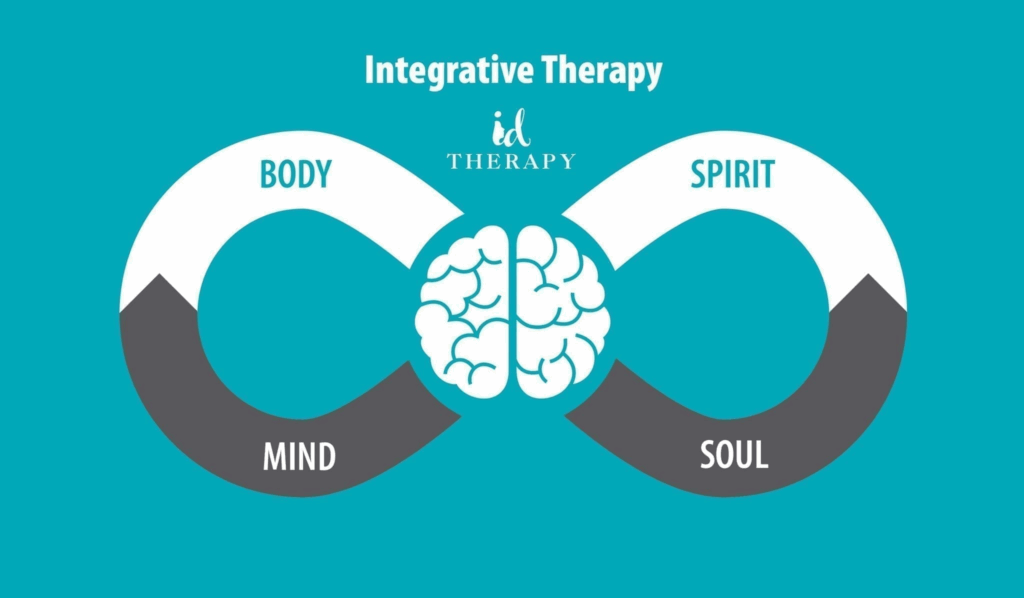
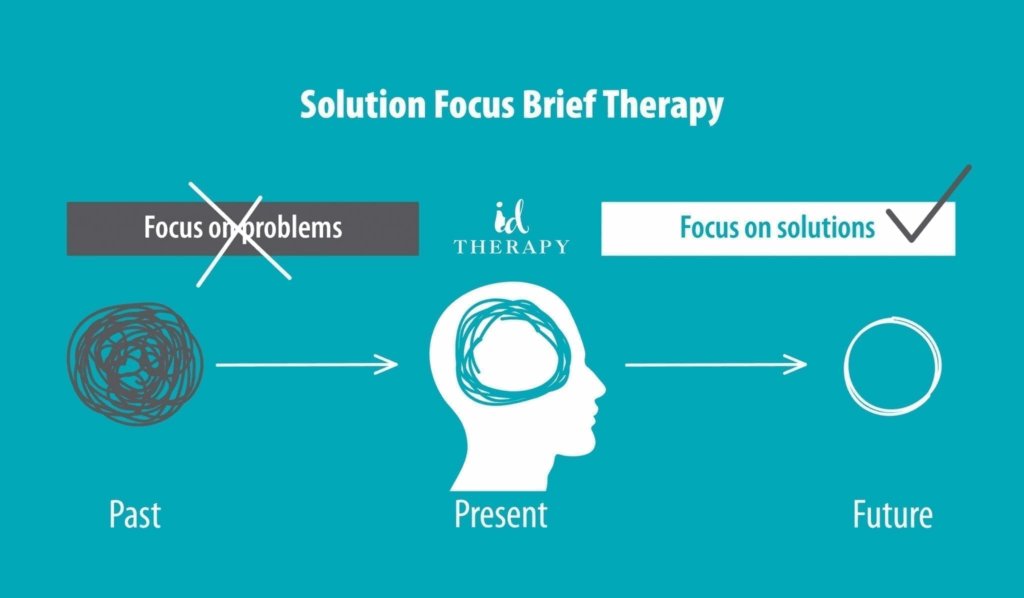


How can ID Therapy help in treating eating disorders?
Experience advanced neuromodulation
Adress: Naum Ramniceanu Street, no. 23, ap. 1, Sector 1, Bucharest, Romania