

Addiction
Drug Addiction: Causes, Symptoms, and Treatment
What Is Drug Addiction?
Drug addiction is a chronic condition characterized by the compulsive use of substances (drugs, medications, nicotine, alcohol) despite negative effects on health and social life. Consequently, this condition is also known as a substance use disorder. It affects the brain and behavior by disrupting neural circuits associated with pleasure, memory, and learning, which leads to an intense craving to consume more substances.
At the core of addiction lies a vicious cycle of seeking and using substances, followed by negative effects and withdrawal symptoms, which further increase the need to use substances again to escape unpleasant sensations. As substance use increases, it becomes increasingly difficult to experience pleasure without them. Over time, chemical and structural changes occur in the brain of individuals addicted to drugs, including in areas responsible for motivation and behavioral control. These changes can cause intense cravings to use the drug again in order to feel good. Thus, the vicious cycle is resumed, and attempts to stop substance use become extremely difficult, often leading to withdrawal states.
Causes of Drug Addiction
Cultural and social factors determine acceptable or permitted forms of drug, medication, or alcohol use, while public laws define what types of use are legal or illegal. However, the question of what type of substance use can be considered normal or acceptable remains controversial.
Drug addiction is a complex problem involving multiple interconnected causes. Understanding these causes is essential for developing effective prevention and treatment strategies. They can be divided into three main categories: genetic and biological factors, environmental and social factors, and psychological factors.
Many external factors can contribute to substance use disorders. The home environment, especially during childhood, plays a very important role. Parents or older relatives who use drugs or abuse alcohol can increase the risk that children will develop substance-related problems later in life.
Friends and school peers can have an increasingly strong influence during adolescence. Young people who use substances may encourage those around them to try drugs for the first time. In addition, individuals who feel socially isolated, marginalized, or bullied may turn to substances to feel less lonely or depressed.
Symptoms and Signs of Drug Addiction
- Increased tolerance: The need to consume increasingly larger amounts of drugs to achieve the same effects.
- Withdrawal: The appearance of unpleasant physical symptoms when drug use is reduced or stopped, such as tremors, sweating, nausea, vomiting, muscle pain, and abdominal cramps.
- Weight changes: Significant weight loss or gain.
- Sleep problems: Insomnia or excessive sleep.
- Changes in physical appearance: Neglect of personal hygiene, red eyes, dilated pupils, and visible changes in skin and hair health.
- Anxiety and depression: Persistent anxiety and depressive states, often worsened by drug use.
- Irritability: Irritable or aggressive behavior, often without a clear reason.
- Confusion: Difficulty concentrating, memory problems, and impaired decision-making.
- Paranoia: Feelings of unjustified suspicion or fear.
- Euphoria: Intense feelings of pleasure or happiness immediately after drug use, followed by depressive periods.
- Compulsive use: A strong and persistent urge to use drugs despite awareness of negative consequences.
- Neglecting responsibilities: Ignoring school, work, or family obligations.
- Social isolation: Distancing from friends and family, preferring the company of others who use drugs.
- Risky activities: Engaging in dangerous or illegal behaviors to obtain drugs, such as theft or drug trafficking.
- Changes in social circle: Spending time with new acquaintances known for drug use.
- Hiding addiction: Attempts to hide drugs or lie about substance use.
Risk Factors
Drugs can alter the normal functioning of brain neurotransmitters such as dopamine and serotonin, leading to changes in mood, perception, and behavior. Chronic drug use can lead to addiction and tolerance, meaning the person needs increasingly larger doses to achieve the same pleasurable effects. In addition, drug use can cause memory problems, difficulty concentrating, and impaired decision-making.
Stimulant drugs such as cocaine and amphetamines can cause high blood pressure, cardiac arrhythmias, and even heart attacks. Many drugs constrict blood vessels, damaging organs and tissues due to reduced oxygen supply.
Smoking substances such as marijuana or cocaine can cause airway irritation, chronic bronchitis, and other lung problems. Opioid use can dangerously slow breathing and may be fatal.
Drugs can cause nausea, vomiting, constipation, or diarrhea. Chronic use may lead to loss of appetite and weight loss. Hepatitis and cirrhosis are other liver conditions associated with substance addiction. In addition, drug use can weaken the immune system, making the body more susceptible to infections and diseases.
Drug addiction can worsen or trigger mental health disorders such as depression and anxiety. Certain drugs, such as amphetamines and hallucinogens, can cause psychotic episodes, including hallucinations.
Drug use has a profound and often devastating emotional impact. Drugs can cause extreme mood changes, including episodes of euphoria followed by severe depression and anxiety. These emotional fluctuations can lead to feelings of isolation, hopelessness, and loss of control, negatively affecting interpersonal relationships and daily functioning.
Drug use affects not only physical and emotional health but also has significant consequences for social and professional life. These effects can lead to deteriorating relationships and job loss. Individuals addicted to drugs may isolate themselves from friends and family to hide substance use or avoid confrontation, leading to deep feelings of loneliness and alienation.
Work performance is also affected due to decreased concentration and poor health, leading to mistakes and increased medical leave. This can result in job loss and financial instability. Additionally, individuals with a history of drug use may face difficulties finding new employment due to stigma and negative professional records.
Treatment for Drug Addiction
Treating drug addiction is a complex process that requires a multidisciplinary and personalized approach tailored to each individual’s needs. The goal of treatment is to help individuals stop using drugs, improve their health, and rebuild their social and professional lives. Several strategies are used, including medical interventions, psychotherapy, social support, and lifestyle changes.
The first step in treatment is an initial assessment, which includes:
- Medical assessment: Evaluating the patient’s general health to identify drug-related medical issues.
- Psychological assessment: Evaluating mental health to detect conditions such as depression or anxiety.
- Social assessment: Analyzing the patient’s social and family context to understand contributing factors and plan necessary support.
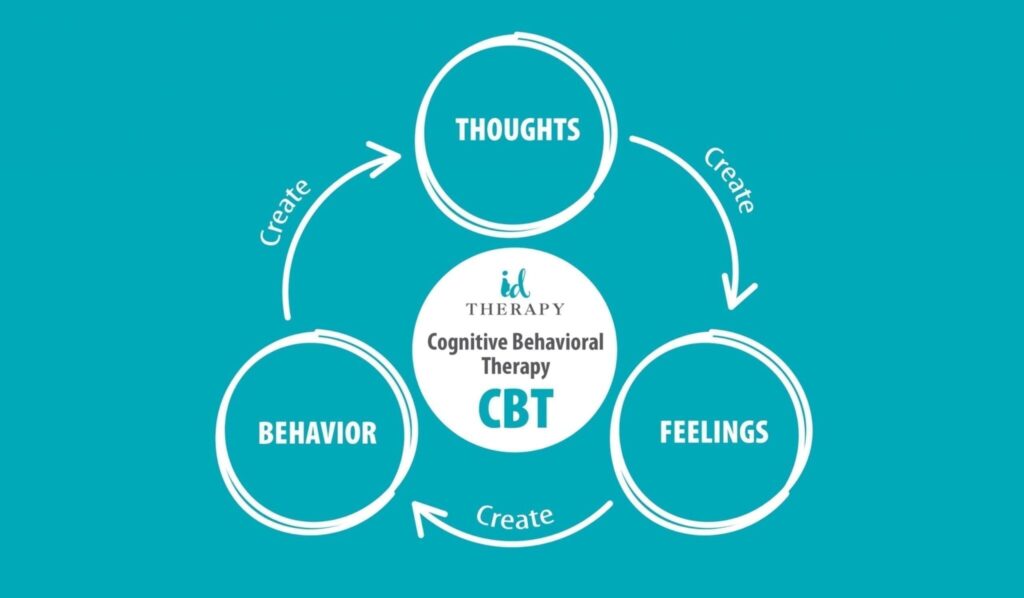
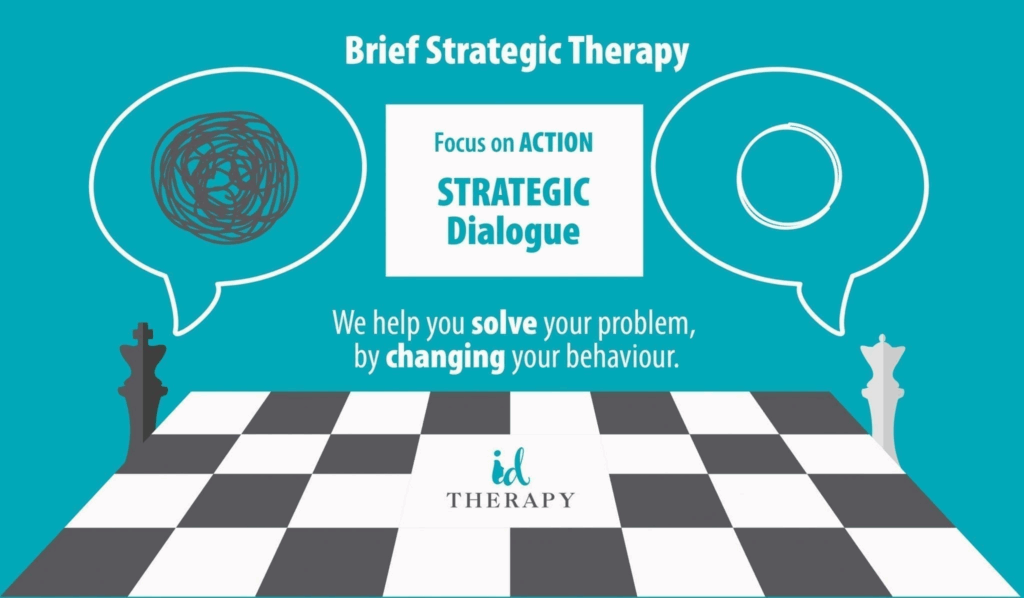
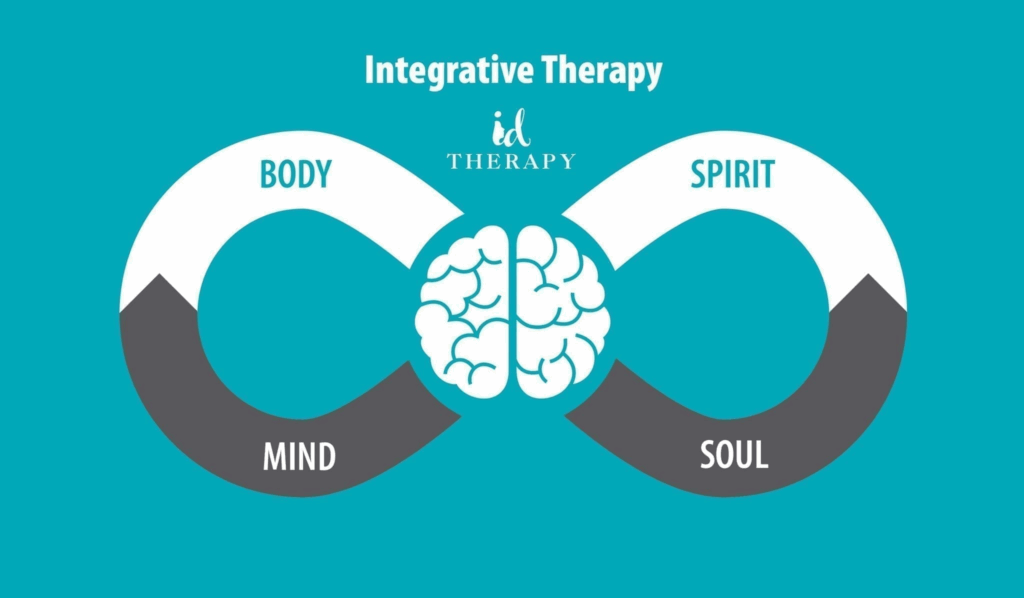
Psychotherapy is essential in the treatment of drug addiction, providing patients with the necessary tools to understand and change substance-related behaviors and thought patterns. Cognitive-behavioral therapy (CBT) helps identify and modify negative patterns, supporting patients in developing healthy coping strategies and managing situations that trigger the urge to use substances.
Psychological counseling, on the other hand, offers emotional support and guidance, helping patients explore the underlying causes of addiction, improve self-esteem, and develop problem-solving skills. Together, these approaches contribute to a holistic recovery, addressing both the cognitive and behavioral aspects as well as the emotional dimensions of addiction.
These varied and personalized psychotherapeutic approaches are essential in supporting patients throughout the recovery process and helping them rebuild their lives in a healthy and productive way.
Rehabilitation programs for individuals with drug addiction are essential for recovery and reintegration into society. These programs provide a structured and safe environment where patients can receive medical treatment, psychological care, and social support. Rehabilitation often begins with detoxification, which is the process of eliminating toxic substances from the body, followed by individual and group therapies that help address the underlying causes of addiction. Cognitive-behavioral therapy and motivational therapy are frequently used to support patients in developing healthy strategies for managing stress and substance cravings.
Post-rehabilitation support is crucial for maintaining abstinence and preventing relapse. Support programs, such as support groups and mentorship, offer an ongoing framework in which former addicts can share their experiences and challenges encountered during the recovery process. These groups also provide opportunities to learn from others’ experiences and to receive valuable feedback and advice.
Social and professional reintegration is a key component of rehabilitation programs. This involves providing vocational training services, job placement counseling, and support for developing the skills necessary for an independent and productive life. Many rehabilitation programs collaborate with community organizations and employment agencies to help patients rebuild their professional lives
How Can Drug Addiction Be Prevented?
Preventing drug addiction begins with education and awareness. Informing young people and the community about the risks and negative consequences of drug use is essential. Educational programs in schools, awareness campaigns, and informational resources for parents can help create an environment focused on knowledge and prevention. Additionally, promoting a healthy lifestyle and encouraging participation in extracurricular activities, sports, and hobbies can reduce the risk of drug use by offering constructive alternatives for coping with stress and social pressures.
Family and community support play a crucial role in preventing drug addiction. A stable family environment with open and supportive communication can reduce the likelihood that young people will turn to drugs as a solution to emotional or social problems. Community interventions, such as support groups and mentoring programs, can provide additional resources and support for those facing increased risk factors. Furthermore, the implementation of effective public policies that regulate access to drugs and provide accessible prevention and treatment programs is vital in preventing substance addiction among young people.
In conclusion, drug addiction is a complex problem that affects not only the individual but also the family, community, and society as a whole. Addressing this crisis requires a combination of education, prevention, treatment, and ongoing support, involving the efforts of healthcare professionals, policymakers, and the community. By providing adequate support, we can hope to reduce the devastating impact of drug addiction and offer those affected a real chance at recovery and social reintegration. Overcoming addiction is a long-term process, but through empathy, knowledge, and commitment, we can build a healthier and more resilient society.
Adress: Naum Ramniceanu Street, no. 23, ap. 1, Sector 1, Bucharest, Romania