

Bipolar Disorder
What Is Bipolar Disorder: Causes, Symptoms, Types, Manifestations, Treatment
What is bipolar disorder?
Bipolar disorder is a mental disorder characterized by extreme mood changes, ranging from episodes of mania or hypomania to episodes of depression. People affected by this disorder experience phases of excessive energy and euphoria (mania/hypomania) alternating with periods of deep sadness and hopelessness (depression).
Bipolar disorder is part of the category of mood disorders and is also known as manic-depressive disorder. During manic episodes, individuals may present symptoms such as inflated self-esteem, decreased need for sleep, rapid speech, racing thoughts, distractibility, and risky behaviors.
In contrast, depressive episodes manifest through feelings of extreme sadness, loss of interest in activities, fatigue, difficulty concentrating, and suicidal thoughts.
What are the causes of bipolar disorder?
The exact causes of bipolar disorder are not fully understood, but it is believed that a combination of genetic, biological, and psychosocial factors contributes to its development. There is evidence that bipolar disorder is more common among individuals who have affected family members.
Chemical imbalances in the brain, particularly involving neurotransmitters such as serotonin and dopamine, play a crucial role. Psychosocial factors, such as stressful events or trauma, can trigger episodes or exacerbate existing symptoms.
- Biological factors: Certain medical conditions and hormonal imbalances, such as thyroid dysfunctions and endocrine problems, can influence the development and worsening of symptoms. Chronic inflammation and autoimmune disorders may also be associated with the disorder.
- Substance use: Alcohol and drug abuse can destabilize brain chemistry and trigger manic or depressive episodes. Excessive substance use often worsens symptoms and makes the disorder harder to manage.
- Differences in brain structure: Imaging studies reveal structural differences in regions like the prefrontal cortex and the amygdala. These areas are responsible for emotion regulation and behavior, and variations here may increase vulnerability to the disorder.
- Interaction between factors: Bipolar disorder results from a complex interaction between genetic, biological, and environmental factors. These elements influence each other, explaining why the disorder’s severity and presentation are highly individualized.
- Personalized Approach: This multifactorial nature is why personalized treatment is essential for effective symptom management and long-term stability.

What are the risk factors for bipolar disorder?
- Heredity and family history: One of the most significant risk factors for bipolar disorder is family history. As in the case of personality disorders, individuals who have close relatives (parents or siblings) with bipolar disorder have a higher risk of developing this condition.
- Stressful events: Traumatic experiences, major stress, or significant life changes—such as the loss of a loved one, divorce, or job loss—can trigger or worsen bipolar disorder symptoms.
- Substance use: Abuse of alcohol, drugs, or other psychoactive substances can increase the risk of developing bipolar disorder and can trigger manic or depressive episodes.
- Chemical imbalances: Imbalances in neurotransmitters such as serotonin, dopamine, and norepinephrine are associated with an increased risk of bipolar disorder.
- Sleep disorders: Chronic sleep problems, including insomnia and circadian rhythm disturbances, can be risk factors for bipolar disorder and often precede mood episodes.
- Biological and medical factors: Certain medical conditions and hormonal imbalances, such as thyroid problems, can influence the risk of developing bipolar disorder.
- Environmental factors: An unstable or hostile environment during childhood, such as abuse or neglect, can increase the risk of bipolar disorder by impacting emotional development.
How many types of bipolar disorder are there?
- Bipolar I disorder: Characterized by severe manic episodes that may be preceded or followed by major depressive episodes. A manic episode lasts at least one week and is severe enough to require hospitalization or cause major social and occupational dysfunction.
- Bipolar II disorder: Involves major depressive episodes and hypomanic episodes (less severe than mania). Hypomania does not lead to major dysfunction and does not require hospitalization, but it can significantly affect daily functioning.
- Cyclothymia or cyclothymic disorder: Characterized by numerous periods of hypomanic and depressive symptoms that do not meet the full criteria for a manic or major depressive episode. These symptoms must persist for at least two years to reach a diagnosis.
- Unspecified bipolar disorder: This category includes symptoms that do not fit exactly into the classifications above but still cause significant distress and affect daily functioning.
What are the symptoms of bipolar disorder?
- Manic episodes:
- Excessive euphoria: Extremely elevated mood and irritability.
- Increased energy: Unusually high levels of energy and activity.
- Reduced need for sleep: Little or no desire to sleep.
- Rapid speech: Pressured speech and racing thoughts.
- Distractibility: Difficulty maintaining focus.
- Risky behaviors: Impulsive decisions and excessive spending.
- Depressive episodes:
- Deep sadness: Persistent feelings of sadness and hopelessness.
- Loss of interest: Lack of interest in usual activities.
- Extreme fatigue: Feelings of exhaustion and low energy.
- Difficulty concentrating: Problems with focus and decision-making.
- Changes in appetite and sleep: Significant increase or decrease in appetite and/or sleep disturbances.
- Suicidal thoughts: Frequent thoughts of death or suicide.
- Hypomanic episodes:
- Symptoms similar to mania: Euphoria, increased energy, rapid speech, but less severe and without major dysfunction.
- Mixed episodes:
- Combination of manic and depressive symptoms: May include increased energy alongside feelings of depression and irritability.
How does bipolar disorder usually manifest?
Imagine being caught on an emotional carousel that throws you from the peaks of euphoria to the depths of despair without warning. Bipolar disorder manifests through the unpredictable alternation between manic or hypomanic episodes and depressive episodes.
During manic episodes, the person experiences a surplus of energy, euphoria, and impulsive behaviors. On the other hand, depressive episodes are marked by deep sadness, lack of interest in usual activities, and extreme fatigue. These fluctuations significantly affect daily life, relationships, and professional performance.
In some cases, mixed episodes may occur, in which manic and depressive symptoms overlap. These manifestations can vary in duration and intensity from one person to another and can significantly affect everyday life as well as social and occupational functioning.

How does a manic episode manifest?
Visualize an avalanche of energy and euphoria that seems unstoppable. During a manic episode, the affected person experiences an abnormal increase in energy and activity, feeling extremely euphoric or irritable.
They speak rapidly, jumping from one idea to another without pauses, and the need for sleep almost completely disappears. Impulsive and risky behaviors are also common, such as excessive spending, dangerous financial investments, or unprotected sexual behavior. Distractibility is increased, and the ability to concentrate is very low.
How does a hypomanic episode manifest?
Imagine being on an emotional roller coaster, but without the frightening steep drop. During a hypomanic episode, the affected person feels a state of increased energy and good mood, without reaching the extremes of mania.
Rapid speech and racing thoughts are present, but not intense enough to cause severe problems. Concentration is better than in mania, but there is still a tendency to become easily distracted.
The person may have increased productivity and creativity, feeling capable of accomplishing many things in a short time. However, impulsivity may still be present, leading to risky decisions, such as unexpected spending or taking on commitments that are difficult to maintain in the long term.
How does a depressive episode manifest?
Have you ever felt like a prisoner in an emotional darkness from which escape seems impossible? A depressive episode in bipolar disorder is exactly like that. The affected person experiences deep and persistent sadness, a loss of interest in activities that previously brought pleasure, and overwhelming fatigue.
Daily activities become difficult, and concentration and decision-making are impaired. Sleep may be disrupted, either through insomnia or hypersomnia, and changes in appetite are common. Thoughts of worthlessness, excessive guilt, or even suicide may appear, highlighting the severity and impact of this episode.
How is bipolar disorder diagnosed?
Have you ever wondered how a simple mood change can be distinguished from bipolar disorder? The diagnosis of bipolar disorder is a complex process and requires a rigorous approach to ensure accuracy.
- Initial evaluation: The first step involves a detailed clinical assessment, during which the physician or psychiatrist discusses the patient’s symptoms, their duration, and frequency. A thorough description of manic, hypomanic, and depressive episodes is essential.
- Medical and family history: A complete medical history, including family history, is evaluated to identify possible genetic links and other conditions that could influence the diagnosis.
- Physical examination and laboratory tests: To rule out other potential causes of symptoms, such as hormonal imbalances or neurological conditions, a physical examination and laboratory tests are performed.
- Psychological assessment tools: Questionnaires and structured interviews, such as the Young Mania Rating Scale and the Beck Depression Inventory, help quantify the severity and type of symptoms experienced.
- Long-term observation: In some cases, long-term observation of the patient’s symptoms and behavior may be necessary to confirm the diagnosis of bipolar disorder.
How is bipolar disorder treated?
- Mood stabilizers: Lithium is often considered the gold standard in the treatment of bipolar disorder. It helps control both manic and depressive episodes, preventing extreme mood swings. It is important to regularly monitor lithium blood levels to ensure effectiveness and avoid side effects. Examples of mood stabilizers include lithium (Lithobid), valproic acid (Depakine), carbamazepine (Tegretol, Equetro), and lamotrigine (Lamictal).
- Anticonvulsants: Medications such as valproate and lamotrigine are used to stabilize mood and prevent manic and depressive episodes. They work by reducing excessive brain activity that can trigger bipolar episodes.
- Antipsychotics: Olanzapine and risperidone are prescribed to manage acute manic symptoms. They help reduce agitation, delusions, and impulsive behaviors. In some cases, these medications may be used long-term to prevent the recurrence of manic episodes.
- Antidepressants: These medications may be used to treat depressive episodes, usually in combination with mood stabilizers to prevent triggering a manic episode. Common examples include fluoxetine and sertraline.
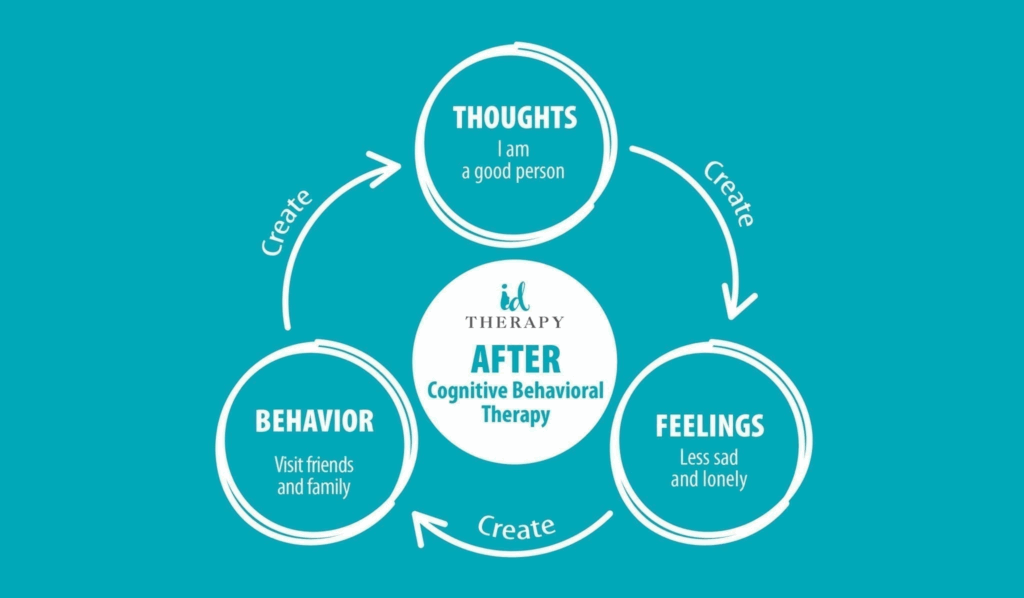
- Cognitive-Behavioral Therapy (CBT): CBT focuses on identifying and changing negative thoughts and behaviors. Therapists help patients develop strategies to cope with stressful situations and prevent relapses.
- Interpersonal and Social Rhythm Therapy (IPSRT): This therapy helps patients maintain a consistent daily rhythm and improve interpersonal relationships. Establishing regular routines for sleep, meals, and daily activities is essential.
- Family therapy: Involving the family in treatment helps educate family members about bipolar disorder and develop a supportive environment. Families learn how to recognize symptoms and intervene effectively during an episode.
- Regular routines: Maintaining a regular sleep schedule and daily activities helps stabilize mood. Avoiding sudden changes in daily routines is crucial for preventing episodes.
- Physical exercise: Regular physical activity, such as walking, jogging, or yoga, contributes to improved mood and energy levels, reducing the risk of depressive episodes.
- Balanced diet: A healthy diet rich in essential nutrients supports mental health and helps maintain emotional balance.
- Avoid psychoactive substances: Alcohol and drug use can worsen bipolar disorder symptoms and trigger manic or depressive episodes. It is important to limit or completely avoid these substances.
What complications can occur if bipolar disorder is not treated?
Impact on relationships: Interpersonal relationships suffer significantly. Manic and depressive episodes can cause frequent conflicts with partners, family members, and friends, leading to social isolation and the deterioration of important relationships.
Professional and financial problems: Untreated bipolar disorder affects the ability to maintain stable employment due to impulsive behaviors and mood swings. This can lead to financial difficulties and economic instability.
Risks to physical health: Manic episodes can lead to risky behaviors such as substance use, dangerous driving, and unsafe sexual activity, increasing the risk of accidents and illness. In addition, constant stress and chronic depression can negatively affect the immune system and cardiovascular health.
Suicide and self-harm: The risk of suicide is significantly higher in individuals with untreated bipolar disorder. Suicidal thoughts and behaviors may occur during severe depressive episodes. Self-harm is also a common complication, as affected individuals may resort to it as a way of coping with emotional pain.
Legal problems: Impulsive and manic behaviors can lead to legal issues, including arrests and lawsuits, due to illegal or inappropriate actions such as theft, violence, or vandalism.
Psychiatric comorbidities: Untreated bipolar disorder can worsen or contribute to the development of other mental disorders, such as anxiety disorders, eating disorders, and substance use disorders.
Reduced quality of life: Overall quality of life is severely affected, as individuals with untreated bipolar disorder face constant mood fluctuations, difficulties in maintaining relationships, and professional problems. These complications can lead to a life marked by suffering and instability.
Without appropriate treatment, bipolar disorder can turn a person’s life into emotional and physical chaos, affecting all aspects of their life and the lives of those around them.
Can bipolar disorder be prevented?
Early interventions: Early identification of symptoms and prompt intervention can help manage the disorder more effectively. Monitoring early signs in individuals with a family history of bipolar disorder can prevent symptom worsening.
Stress management: Stress is a common trigger for bipolar episodes. Stress management techniques such as meditation, yoga, and breathing exercises can help maintain emotional balance.
Regular routines: Maintaining a regular sleep schedule and daily activities can stabilize biological rhythms and reduce the risk of manic and depressive episodes.
Counseling and psychological support: Cognitive-behavioral therapy (CBT) and other forms of therapy can help develop effective strategies for managing symptoms and preventing relapses.
Education and awareness: Education about bipolar disorder and awareness of the importance of ongoing treatment can help individuals recognize symptoms and seek professional help in a timely manner.
Avoiding psychoactive substances – substance dependence: Psychoactive substances such as alcohol and drugs can worsen bipolar disorder symptoms and trigger episodes. Limiting or avoiding these substances is essential for prevention.
By applying these measures, individuals at risk for bipolar disorder can reduce the likelihood of episode onset and maintain a more stable and balanced life.

How Can ID Therapy Clinic Help You in Treating Schizophrenia?
Cognitive-Behavioral Therapy (CBT): Cognitive-Behavioral Therapy (CBT) is a central component in the treatment of bipolar disorder at ID Therapy. It helps patients identify and change negative thought patterns and destructive behaviors, offering effective strategies for symptom management.
Virtual Reality Therapy: ID Therapy uses cutting-edge technology to treat stress and anxiety through virtual reality therapy. This innovative approach helps patients better manage their emotions and avoid triggering bipolar episodes.
Online consultations: To ensure treatment accessibility, ID Therapy Clinic offers online psychotherapy consultations, allowing patients to receive help wherever they are. This ensures continuity of treatment and the necessary support, regardless of location.
Are you ready to take control of bipolar disorder? Recognizing symptoms and seeking appropriate treatment are essential steps. When facing the challenges of bipolar disorder, you should never feel alone.
ID Therapy Clinic is here to support you, offering personalized solutions and ongoing support to help you regain control of your life. From cognitive-behavioral therapy and virtual reality therapy to personalized interventions and family support, our team of specialists is dedicated to helping you overcome difficulties.
Do not let bipolar disorder dictate your destiny. Contact ID Therapy Clinic today and discover how you can turn each day into a step toward a balanced and fulfilling life!
Adress: Naum Ramniceanu Street, no. 23, ap. 1, Sector 1, Bucharest, Romania