ANXIETY

Anxiety: types, causes, symptoms, and treatment

In modern society, anxiety states are increasingly prevalent, affecting quality of life and overall well-being. Anxiety is often discussed in general terms; however, it is important to understand that it encompasses a wide spectrum of emotional manifestations, ranging from mild restlessness to severe disorders that can significantly limit a person’s daily functioning.
Page contents:
Anxietate

What is anxiety?

A thorough understanding of what anxiety is, the different types of anxiety, and the associated symptoms is essential for identifying and applying the most effective treatment strategies. This awareness helps affected individuals better manage their condition and contributes to reducing the stigma associated with mental health disorders.

Anxiety is a state of fear and unease, characterized by rapid heartbeat, sweating, fatigue, insomnia, and difficulty concentrating. Sometimes, it occurs as a normal reaction to stress, which everyone experiences at certain moments in life.

For example, you may feel anxious when facing a difficult problem at work, before an exam at school, or prior to making an important decision. In such temporary situations, anxiety can provide an extra boost of energy and adrenaline, helping you focus better.

However, the problem arises when anxiety becomes persistent and overwhelming. Individuals may experience physical symptoms such as headaches, muscle tension, or digestive issues, which are often the body’s response to prolonged stress.

Why does anxiety occur and what are its causes?

Anxiety arises as a complex response of the body to various stressful situations or perceived threats, having its roots in both biological factors and environmental influences or life experiences.

The causes of anxiety can be multiple and varied, reflecting an interaction between genetic predisposition, brain chemistry, and psychosocial factors. Understanding the complexity and diversity of these causes is essential for an effective approach and for providing appropriate support to those who struggle with anxiety disorders.
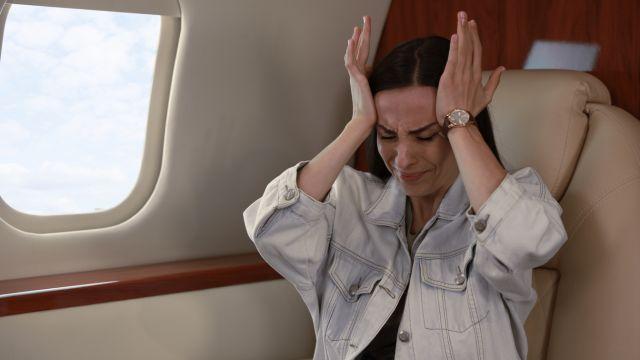
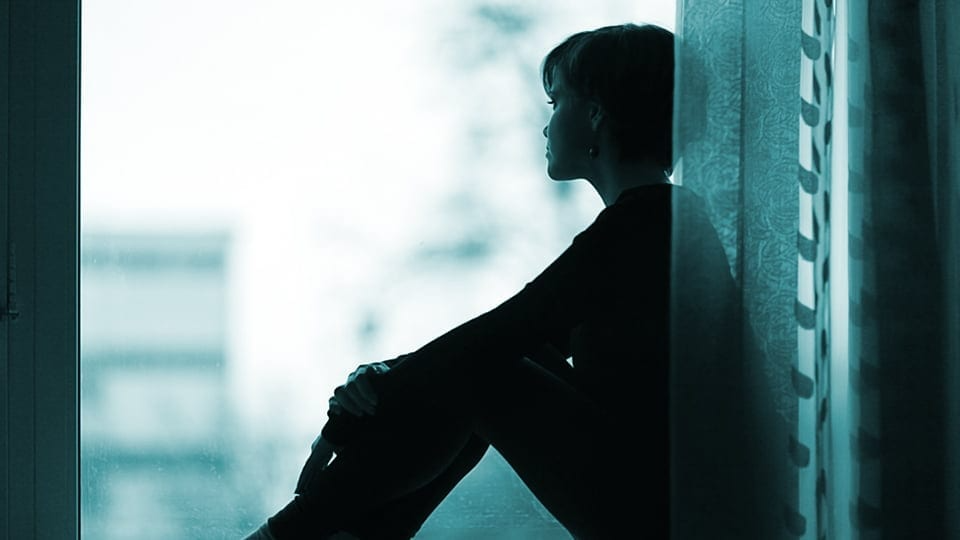
Stari de anxietate, exprimând neliniște și stres emoțional
Biological factors
Biological factors that may lead to the onset of anxiety

From a biological perspective, anxiety can be caused by an imbalance of neurotransmitters in the brain—chemical substances that play a crucial role in regulating mood and emotions. Serotonin and norepinephrine, for example, are often associated with well-being and emotional balance. If the levels of these neurotransmitters are insufficient, this may contribute to the development of anxiety states and other mental health disorders.

There is also evidence suggesting that anxiety may have a genetic component. You are more likely to experience this condition if a close relative also struggles with it. Moreover, the presence of anxiety disorders among family members may indicate a shared genetic vulnerability.

Psychological factors

The way a person perceives and reacts to stress can also influence their susceptibility to anxiety. Individuals with perfectionist tendencies, those who have difficulty managing stress, or who possess anxious personality traits may be more prone to developing anxiety disorders.The way a person perceives and reacts to stress can also influence their susceptibility to anxiety. Individuals with perfectionist tendencies, those who have difficulty managing stress, or who possess anxious personality traits may be more prone to developing anxiety disorders.

Environmental factors
Anxiety caused by environmental factors and life experiences

Life experiences can also be causes of anxiety. Childhood trauma, abuse of any kind, the loss of a loved one, or extremely stressful experiences can trigger or worsen anxiety states. Difficult life situations such as financial problems, relationship conflicts, or workplace stress are also significant factors that may contribute to the onset of anxiety.

Lifestyle
Lifestyle and daily habits in triggering anxiety

When discussing the causes of anxiety, it is important to take a look at daily habits and lifestyle. These can have a major impact on overall well-being and emotional health. Excessive alcohol consumption, drug use, lack of physical activity, or irregular sleep patterns can intensify anxiety symptoms.

What are the symptoms of anxiety?

The symptoms of anxiety can vary significantly from one person to another, depending on the type of anxiety experienced as well as individual characteristics. People who suffer from anxiety disorders may experience excessive fear or worry related to a specific situation or to a wide range of everyday situations. Usually, these individuals face anxiety symptoms over a long period of time—at least several months.

It is important to note that anxiety manifests through both physical and emotional symptoms, affecting an individual’s life in a complex way. Below is a comprehensive list of common symptoms associated with anxiety:

Emotional symptoms
  1. Restlessness or inner tension: a constant feeling of being “on edge,” difficulty relaxing
  2. Excessive worry: persistent and often irrational concerns about everyday events or activities
  3. Intense fear or panic: sudden panic attacks accompanied by overwhelming fear, without an obvious cause
  4. Difficulty concentrating: inability to focus on tasks or maintain attention
  5. Irritability: a tendency to become easily frustrated or annoyed
Physical symptoms
  1. Palpitations or rapid heartbeat: the sensation that the heart is beating too fast, irregularly, or forcefully
  2. Sweating: cold chills or excessive sweating without physical exertion or high temperatures
  3. Trembling or muscle spasms: uncontrollable shaking sensations
  4. Rapid breathing or shortness of breath: feelings of suffocation or inability to breathe properly
  5. Numbness or tingling sensations: in the hands, feet, or other parts of the body
  6. Headaches, neck or shoulder tension: frequent pain in these areas, often linked to muscle tension
  7. Digestive problems: abdominal discomfort, diarrhea, constipation, or other gastrointestinal issues
  8. Fatigue: persistent feelings of exhaustion or lack of energy
  9. Insomnia: difficulty falling asleep or staying asleep, frequent awakenings during the night
The presence of one or more anxiety symptoms does not automatically confirm the existence of a disorder. A professional evaluation is necessary for an accurate diagnosis. Moreover, for individuals experiencing anxiety symptoms, many effective forms of support and treatment are available. Early identification and appropriate intervention can significantly improve quality of life.

What types of anxiety exist?

When it comes to anxiety, its broad spectrum includes several types and subtypes, each with specific characteristics and patterns of manifestation. Recognizing and understanding the different types of anxiety is essential in order to provide the most appropriate and effective therapeutic approach.

Below is an overview of the most common types of anxiety:

Generalized Anxiety Disorder (GAD)
Generalized Anxiety Disorder is characterized by persistent and excessive worry about daily activities or events. This worry is often difficult to control and can affect an individual’s ability to function in everyday life. Symptoms include restlessness, fatigue, difficulty concentrating, irritability, muscle tension, and sleep disturbances.
Panic disorder
This type of anxiety is characterized by the sudden and unexpected onset of panic attacks. Individuals experience intense moments of fear or extreme discomfort, accompanied by physical symptoms such as palpitations, sweating, trembling, sensations of suffocation, or chest pain. Panic attacks may occur without a specific trigger and can lead to a persistent fear of future attacks.
Social anxiety disorder
Social anxiety is characterized by a high level of fear and worry regarding social situations that may cause a person to feel humiliated, embarrassed, or rejected. This fear can significantly interfere with social, professional, or educational life, limiting participation in activities or social events.
Agoraphobia
Agoraphobia is an anxiety disorder characterized by intense fear of open spaces, crowds, public places, or situations where escape might be difficult. The term “agoraphobia” comes from the Greek words agora (public square) and phobos (fear), reflecting the fear of crowded or open places. Because of these fears, many people with agoraphobia begin to avoid situations such as traveling by public transportation, shopping in malls, attending social events, or even leaving their own home.
Separation anxiety
Another type of anxiety is separation anxiety—a condition commonly seen in children and more rarely in adults. It is characterized by excessive fear of being separated from individuals with whom the person has a strong emotional bond. This form of anxiety goes beyond the normal concern associated with temporary separations and becomes a significant source of stress and discomfort.
Specific phobias
Specific phobias involve intense and irrational fear of a particular object or situation. Examples include fear of heights (acrophobia), animals (such as arachnophobia—fear of spiders, or cynophobia—fear of dogs), or flying (aviophobia). Exposure to the feared object or situation often triggers an immediate anxiety response, which can limit daily activities.
Selective mutism
Selective mutism is a complex anxiety disorder characterized by a person’s—usually a child’s—inability to speak in certain social situations or in front of specific individuals, despite being able to speak normally in situations where they feel safe and comfortable. This behavior is not caused by a lack of language knowledge or physical speech problems, but rather by severe anxiety associated with speaking in particular contexts.
Obsessive-Compulsive Disorder (OCD)
Although sometimes classified separately, OCD is considered one of the anxiety-related disorders and is characterized by obsessions (repetitive, unwanted thoughts, images, or urges) and compulsions (repetitive behaviors performed to reduce the distress caused by obsessions). These compulsive behaviors are often ritualistic and can be time-consuming, significantly affecting daily life.
Post-Traumatic Stress Disorder (PTSD)
PTSD may develop after exposure to a traumatic event, such as a serious accident, physical violence, or sexual abuse. Symptoms include reliving the traumatic event through flashbacks or nightmares, avoiding situations that remind the individual of the trauma, intense feelings of anxiety, and a state of heightened alertness (hypervigilance). People may experience more than one anxiety disorder at the same time. Symptoms often begin in childhood or adolescence and can persist into adulthood. Girls and women are more likely to experience anxiety disorders than boys and men.

Diagnosis and treatment of anxiety

The diagnosis and treatment of anxiety involve a series of specific steps designed to identify the type and severity of the disorder, the causes behind the onset of anxiety, and to provide the most appropriate remedy for recovery. The diagnostic and treatment process may vary depending on each individual’s needs.

The diagnosis of anxiety disorders often begins with a thorough evaluation conducted by a mental health professional. This may include:

  • Clinical interview: a detailed discussion about the experienced symptoms, medical and family history, as well as the impact of anxiety symptoms on daily functioning.
  • Questionnaires or assessment scales: standardized tools that help measure the severity and type of anxiety.
  • Medical examinations: used to rule out other medical conditions that may contribute to anxiety symptoms, such as thyroid disorders or nutritional deficiencies

Anxiety treatment is often multidimensional, combining psychotherapy, medication, and lifestyle changes, depending on individual needs.
EVALUARE RAPIDĂ
Clinical assessment
Take an accredited screening test now and quickly evaluate your status regarding the following conditions presented below. The required time ranges from 5 to 20 minutes.
Depression, Anxiety, Stress – DASS-21 Test
The Depression, Anxiety, Stress Scale (DASS-21) is a standardized psychological assessment tool used to evaluate levels of anxiety, depression, and stress.
EVALUARE RAPIDĂ
Assess your well-being – Ryff Well-Being Test
The Ryff Psychological Well-Being Scale contains 42 items that quantitatively measure six aspects of well-being: autonomy, environmental mastery, personal growth, positive relations, purpose in life, and self-acceptance.
Psychotherapy for treating anxiety
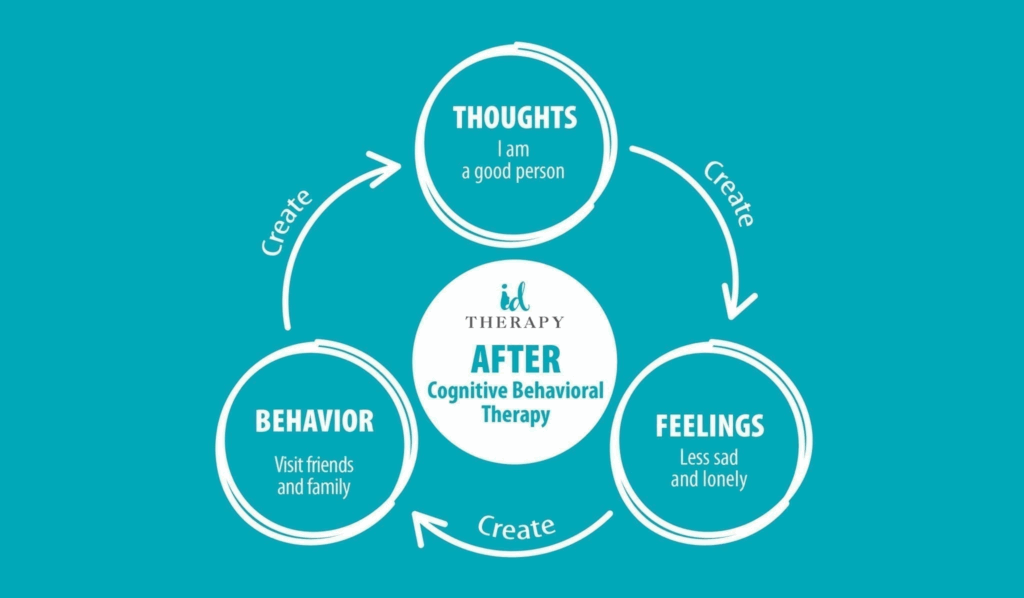
Cognitive Behavioral Therapy (CBT) CBT is one of the most effective forms of therapy for anxiety. It helps individuals identify and change negative thoughts and behaviors that perpetuate anxiety.
Exposure therapy Used especially for phobias and post-traumatic stress disorder (PTSD), this therapy involves gradual and controlled exposure to the feared object or situation.
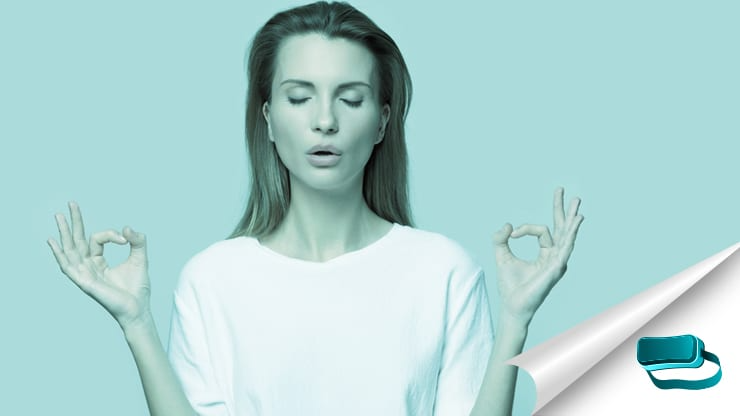
Relaxation and mindfulness techniques Methods such as deep breathing, meditation, and progressive muscle relaxation can help reduce anxiety symptoms.
relaxare mindfulness
Mindfulness relaxation exercise
This mindfulness experience aims to help you focus on the present moment and let go of…
Rhythmic deep breathing relaxation (6-4-6)
This exercise aims to help you learn and practice rhythmic deep breathing…
training autogenic
Autogenic training
This technique uses both visual imagery and body awareness, leading the individual into a state of deep relaxation…

Virtual Reality Psychotherapy
One of the most innovative therapeutic approaches for treating anxiety and panic attacks is Virtual Reality Exposure Therapy (VRET). This method uses virtual reality technology to provide therapeutic solutions for a wide range of conditions.

Virtual Reality Therapy (VRT) uses immersive visual programs and applications that create artificial environments, offering patients a safe and comfortable space. This allows them to simulate and relive various situations with the goal of treating their specific conditions.
Medication for anxiety
Medication for anxiety is often used in combination with psychotherapy to support recovery. The choice of medication depends on the type of anxiety, the severity of symptoms, the individual’s medical history, and their response to treatment. The main categories of medications used include:
Antidepressants: SSRIs (Selective Serotonin Reuptake Inhibitors) and SNRIs (Serotonin-Norepinephrine Reuptake Inhibitors) are commonly prescribed for anxiety and generally have fewer side effects than other antidepressants.
Anxiolytics: psychotropic medications such as benzodiazepines can be effective in severe cases of anxiety, but due to the risk of dependence, they are recommended for short-term use only.

Buspirone: an anxiolytic option that is not part of the benzodiazepine class and carries a lower risk of dependence. It is often used for long-term management of generalized anxiety.

Beta-blockers: such as propranolol, are sometimes prescribed to control physical symptoms of anxiety (e.g., palpitations or tremors) in specific situations, such as before public speaking.

It is important to note that while medications can help manage symptoms, they do not treat the underlying causes of anxiety and may have side effects. The decision to begin medication should always be made in consultation with a physician or psychiatrist, who can evaluate the benefits and risks for each individual.
Lifestyle changes
Anxiety can improve more quickly through lifestyle changes. This is often one of the healthiest approaches to managing anxiety and is recommended as a starting point.
  • Regular physical exercise: helps reduce tension and improve overall well-being.
  • Stress management techniques: incorporating mindfulness and yoga into daily routines can be beneficial.
  • Avoiding stimulants: reducing or eliminating caffeine, alcohol, and nicotine can lessen anxiety symptoms.
It is essential for individuals experiencing anxiety to seek professional help in order to benefit from a personalized treatment plan that allows them to manage symptoms effectively, identify underlying causes, and improve their quality of life. Additionally, support from family and friends plays an important role in the recovery and healing process.
Cognitive Behavioral Therapy
The way we interpret or think about a certain situation determines the emotion we experience in relation to it…
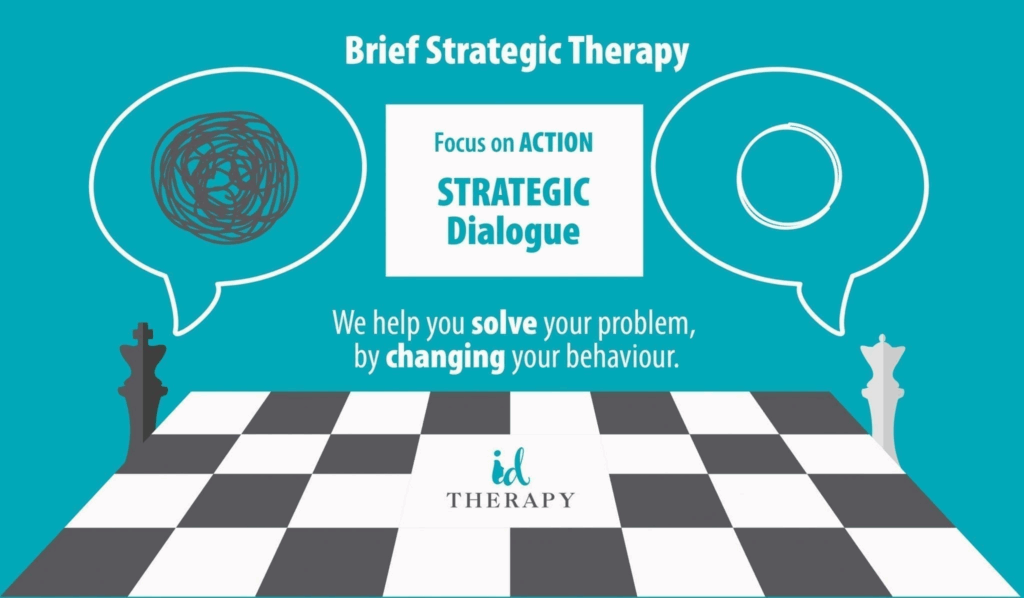
Brief Strategic Psychotherapy
There are personal therapies that last for years and therapies that achieve results in a maximum of 10 sessions. Brief Strategic Psychotherapy…
Integrative Psychotherapy
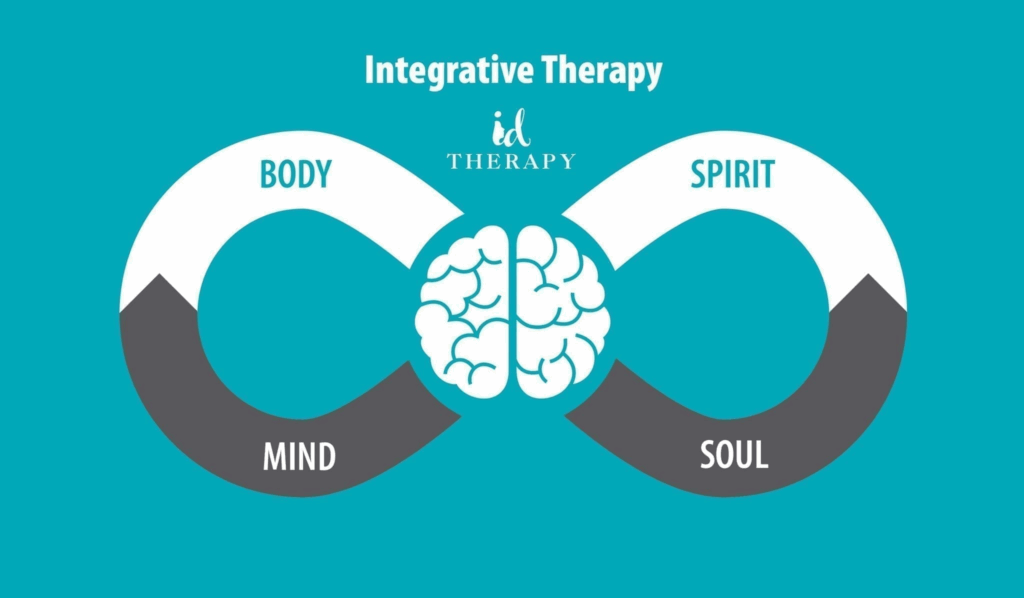
A more flexible and complex approach compared to traditional psychotherapies. A progressive form of psychotherapy, personalized…
Brief Collaborative Psychotherapy
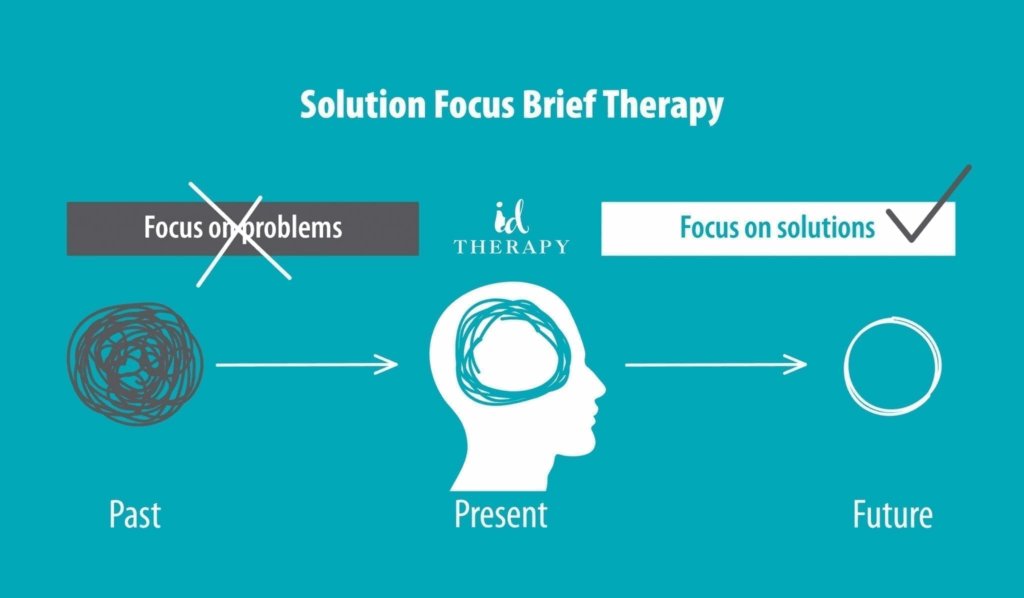
Solution- and Resource-Centered Brief Psychotherapy is a collaborative therapeutic approach that involves the patient’s direct participation and…
Virtual Reality Psychotherapy
Virtual reality therapy ensures healing and symptom improvement for a wide range of conditions through innovative technologies based on virtual reality…
Consultații Online
Online Consultations
No problem! Just one click away, there is a professional and effective solution! Say goodbye to confusion, stress, and anxiety!

Prevention and recommendations for managing anxiety states

Preventing and managing anxiety involves adopting a healthy lifestyle and developing effective coping strategies to deal with everyday stress and challenges. Although not all anxiety disorders can be prevented, there are several measures you can take to reduce the impact of anxiety on your life. Below are some useful recommendations:
Improving lifestyle

Maintain a balanced diet: Healthy nutrition can positively influence mood and energy levels. Avoid excessive caffeine and sugar, which can intensify anxiety symptoms.

Regular physical exercise: Physical activity releases endorphins, improving overall well-being and helping manage stress.

Adequate rest: Sufficient, high-quality sleep is crucial for mental health. Try to maintain a regular sleep schedule.

Limit alcohol and nicotine consumption: Substances that may initially seem relaxing can actually worsen anxiety in the long term.

Relaxation and mindfulness techniques

Deep breathing exercises: Breathing techniques can help calm the nervous system and reduce anxiety symptoms.

Mindfulness and meditation: These practices improve present-moment awareness and reduce the tendency to worry about the future.

Progressive muscle relaxation: Alternating tension and relaxation in different muscle groups can reduce physical and mental stress.

Developing effective coping strategies

Time management: Efficient organization can reduce feelings of being overwhelmed and help prevent procrastination.

Setting realistic goals: Break large tasks into small, manageable steps to avoid overload.

Open communication with friends and family: Having a support network can provide comfort and encouragement during difficult times.

Counseling or therapy: A mental health professional can offer personalized strategies for managing anxiety.

Support groups: Sharing experiences with others who face anxiety can be comforting and provide new perspectives.

Implementing these recommendations can not only reduce anxiety symptoms but also improve overall quality of life. It is important to remember that if anxiety significantly affects your daily functioning, seeking professional help is essential.
Discover the ID Therapy clinic team
Nadia Gorduza
Psychotherapist Doctor & Founder of ID THERAPY
Raina Saguna
Integrative Psychotherapist, Clinical Psychologist
Schedule your appointment and overcome anxiety!
WhatsApp: +40 770 942 836
Adress: Naum Ramniceanu Street, no. 23, ap. 1, Sector 1, Bucharest, Romania