Addictions

What Is Alcohol Addiction: Causes, Symptoms, Treatment

Alcohol addiction is a serious health problem affecting millions of people worldwide. This article aims to explore the various aspects of alcoholism, from causes and symptoms to effective treatments and prevention strategies, offering hope and support to those who wish to overcome alcohol addiction.
Page contents:

What is alcohol addiction?

Alcohol addiction, also known as alcoholism, is a chronic and progressive disease characterized by compulsive alcohol consumption. The loss of control over drinking leads to negative effects on health, social relationships, and professional responsibilities. People suffering from alcoholism may develop increased tolerance to alcohol, meaning they need increasingly larger amounts to feel the desired effects. They may also experience withdrawal symptoms when they reduce or stop drinking, such as tremors, anxiety, sweating, nausea, and even hallucinations or seizures in severe cases.
Romania ranks 20th out of 35 studied countries in terms of alcohol consumers, placing it in the second half of the ranking, but its growth rate (+136%) places it among the leading countries worldwide.
According to the World Health Organization, alcohol consumption is considered excessive in the following cases:
  • A woman who consumes more than 7 alcoholic drinks per week or more than 3 drinks within 2 hours;
  • A man who consumes more than 14 alcoholic drinks per week or more than 4 drinks within 2 hours.
Alcohol abuse includes any alcohol consumption that endangers your health or safety or may cause other problems.

Causes and risk factors of alcohol addiction

The causes of alcoholism are multiple and varied, involving genetic, psychological, social, and environmental factors. Some of the most significant include:
Genetic factors: There is evidence suggesting that alcoholism may have a hereditary component. People with family members who suffer from alcoholism have a higher risk of developing this condition.
Psychological factors: Many individuals turn to alcohol to manage stress, anxiety, or depression. Alcohol is often used as a coping mechanism to deal with emotional problems or psychological disorders.
Social and cultural influences: Peer pressure and cultural norms that promote alcohol consumption can play an important role in the development of alcoholism. In some cultures or social groups, excessive drinking may be seen as an accepted or even encouraged form of socialization.
Trauma and stress: Traumatic experiences, such as physical or emotional abuse, can contribute to the development of alcohol addiction. Chronic stress in personal or professional life may also lead individuals to use alcohol as a way to escape their problems.
Behavioral modeling: Children raised in environments where alcohol consumption is frequent and normalized may learn to adopt similar behaviors to relax and escape daily life.
Alcohol accessibility: The ease of obtaining alcohol in stores and its low cost can facilitate the development of addiction in individuals predisposed to substance abuse.
Recognizing these factors can help identify individuals at risk and support the implementation of effective prevention and treatment strategies. Treating alcoholism often requires a personalized approach that considers the specific causes and context of each individual.

Symptoms of alcohol addiction

Alcohol addiction manifests through various symptoms and behaviors that can vary from person to person. In general, symptoms can be divided into behavioral, physical, and psychological categories:
Behavioral symptoms:
  • Regular and excessive alcohol consumption, even in dangerous situations (e.g., driving under the influence).

  • Neglecting responsibilities at work and home.

  • Continuing to drink despite personal or social problems caused by alcohol.

  • Reducing or abandoning social activities and hobbies.

  • Repeated but unsuccessful attempts to reduce or control alcohol intake.
Physical symptoms:
  • Development of alcohol tolerance, requiring increased amounts to achieve the same effects.

  • Withdrawal symptoms when alcohol is not consumed, such as tremors, sweating, nausea, insomnia, agitation, anxiety, and even hallucinations or severe seizures.

  • Recurrent physical problems associated with excessive alcohol consumption, such as liver disease, gastrointestinal issues, and heart problems.
Psychological symptoms:
  • Anxiety and depressive episodes.

  • Decreased judgment and decision-making ability, affecting work performance and other areas of life.

  • Mood changes, increased irritability, and aggressive behavior.
Symptoms can range from mild to severe and may worsen over time, leading to serious health complications and even death. Early identification and professional help are essential for recovery and preventing further health deterioration.

Diagnosis of alcoholism – Identifying the signs of addiction

How ID Therapy Clinic can help treat alcohol addiction

The diagnosis of alcoholism, also known as alcohol use disorder, is based on identifying certain behavioral, physical, and psychological symptoms that indicate addiction. This assessment can be carried out by a healthcare professional using various standardized methods and tools:

Clinical interviews: During consultations, physicians or psychiatrists use detailed interviews and questionnaires to assess alcohol consumption and its impact on the patient’s life. These tools help determine the frequency of drinking, the amount consumed, and the behavioral effects associated with addiction.


Observation of physical and behavioral symptoms: Physical signs of alcoholism include the smell of alcohol on the breath, hand tremors, facial flushing, bloodshot eyes, agitation, and sweating. From a behavioral perspective, the doctor and therapist will look for indicators such as neglecting responsibilities, drinking in dangerous situations, and the inability to reduce or control alcohol consumption.


Assessment of social and personal impact: Professionals will examine how alcohol use affects interpersonal relationships, work performance, and other aspects of the individual’s social and personal life. Loss of interest in hobbies and activities that were previously enjoyable, as well as social isolation, are important diagnostic signals.


Medical tests: Blood tests may be performed to check liver enzyme levels (which may indicate liver damage) and other parameters related to chronic alcohol use. Tests may also be used to detect the presence of alcohol in the blood.


Early recognition of the signs of addiction and seeking specialized help are essential for the effective treatment of alcoholism. Treatment may include psychological therapy, medication, group support, and other interventions to help individuals manage addiction and regain control over their lives.


EVALUARE RAPIDĂ
AUDIT Alcoholism Test
Alcohol Dependence Test (AUDIT – Alcohol Use Disorders Identification Test)
DASS-21 Test
Depression, Anxiety, Stress – a standardized psychological instrument used to assess anxiety, depression, and stress levels.
EVALUARE RAPIDĂ
Ryff Well-Being Test
Measures six dimensions of psychological well-being through 42 items.

What effects does alcohol addiction have on the body?

Alcohol addiction has multiple and often severe effects on the body, affecting almost every organ. Its impact can vary depending on the frequency and amount of alcohol consumed, as well as the duration of abuse. Here are some of the most significant effects:
Nervous system: Excessive and prolonged alcohol consumption can lead to impaired cognitive functions and motor coordination. Alcohol affects neurotransmitters in the brain, which can result in memory problems, difficulty concentrating, and even alcoholic dementia.
Digestive system: Alcohol irritates the gastric lining, potentially causing gastritis and peptic ulcers. Pancreatitis, a severe inflammation of the pancreas, is also frequently associated with alcohol abuse and can become a chronic and extremely painful condition. The liver is one of the most severely affected organs; chronic consumption can lead to hepatitis, fibrosis, and liver cirrhosis, the latter often being irreversible and potentially fatal.
Cardiovascular system: Alcohol can cause high blood pressure, arrhythmias, and an increased risk of myocardial infarction (heart attack). Regular and excessive alcohol consumption is also linked to an increased risk of stroke.
Immune system: People who consume excessive alcohol are more prone to respiratory infections, such as pneumonia, and may experience slower recovery from illnesses.
Cancer risk: Alcohol consumption is a known risk factor for developing several types of cancer, including cancers of the throat, esophagus, liver, colon, and breast.
Skeletal system: Alcoholism can interfere with the production of new bone cells, leading to lower bone density and an increased risk of fractures.
Depression: Many people use alcohol to “treat” depressive symptoms, but regular alcohol consumption can worsen these symptoms. This creates a vicious cycle in which alcohol intensifies depression, which in turn can lead to even greater alcohol consumption.
Anxiety: Alcoholism is often associated with increased levels of anxiety. Although some individuals may use alcohol to temporarily reduce anxiety symptoms, chronic consumption alters brain chemistry and increases the frequency and intensity of anxiety episodes.
Mood changes and emotional instability: Alcohol can cause extreme and unpredictable mood swings, leading to irritability, outbursts of anger, and profound sadness.
Behavioral problems: Alcohol lowers inhibitions and can lead to risky or inappropriate behavior. This includes acts of violence, involvement in illegal activities, or impulsive decision-making, which can have serious legal or social consequences.
Impaired cognitive functions: Excessive alcohol consumption affects memory, attention, and judgment. In the long term, alcoholism can lead to persistent cognitive impairments, such as alcoholic dementia.
Sleep disorders: Alcoholism often disrupts normal sleep patterns, which can lead to insomnia or poor-quality sleep.
Feelings of guilt and reduced self-esteem: As addiction progresses, many alcohol-dependent individuals may experience intense feelings of guilt and shame related to their actions and their impact on others. This can lead to decreased self-esteem and a sense of helplessness.

Treatment for alcohol addiction

Treatment for alcohol addiction is complex and multifaceted, often involving a combination of medical interventions, therapeutic approaches, and group support. The main components of alcohol detoxification treatment include:

Detoxification: This is carried out under medical supervision in a controlled environment. It helps the individual safely eliminate alcohol from the body, with medical management of withdrawal symptoms, which can sometimes be severe and even life-threatening.

How ID Therapy Clinic can help treat alcohol addiction

Cognitive-behavioral therapy: Individual counseling or behavioral therapy is essential in helping individuals understand the causes of addiction, develop healthy coping strategies, and modify problematic behaviors. Cognitive-behavioral therapy is effective in treating addictions by changing negative thoughts and behaviors related to alcohol consumption.
Medication: There are approved medications that can help reduce the desire to drink and manage withdrawal symptoms. These are prescribed and monitored by a physician and represent an important component of the treatment plan.
The 12-step method: One of the most well-known and widely used recovery programs is Alcoholics Anonymous (AA), based on the 12-step method. This program promotes recovery by following a structured set of steps that begin with acknowledging powerlessness over alcohol and the need for help. The steps also include personal reflection, admitting past mistakes, making efforts to correct those mistakes, and helping others who suffer from alcohol addiction. The program places strong emphasis on mutual support and sharing experiences among group members, which is vital for maintaining long-term abstinence.
Personalized Treatment: Treatment for alcohol addiction must be personalized to meet the specific needs of each individual. It is essential that treatment is accessible, supported by family and the community, and addresses all aspects of the affected person’s life in order to increase the chances of recovery and social reintegration.
Patients who wish to regain control over their alcohol consumption will be supported by their therapist in developing new coping skills while being exposed to specific alcohol-related virtual cues.

The patient is placed in various virtual environments (bar, restaurant, shop, party, or at home) where specific trigger cues are present that may tempt them to consume alcohol or nicotine. The therapist helps the patient identify the physical and cognitive symptoms of the craving they experience. The patient is also guided to develop new behaviors or cognitive strategies for avoidance, distraction from trigger cues, self-talk, and changing thinking patterns. Certain alcoholic beverages preferred by the patient can be placed by the therapist within these virtual environments. In addition, a virtual bartender provides opportunities for the patient to engage in interactions and strengthen their abstinence or moderation skills.

This therapy, primarily focused on prevention, consists of 12 sessions conducted with a specially trained psychotherapist. Through virtual reality exposure therapy, the individual is supported in cognitive learning, consolidation of new behaviors, suppression of cravings in the presence of alcohol- or cigarette-related trigger cues, relapse prevention, and the promotion of a series of positive changes in brain metabolism.

Specific psychotherapy types offered by ID Therapy Clinic

Psychiatric Treatment
The combination of psychotherapy and medication is sometimes the ideal solution in addressing conditions such as depression, anxiety, panic attacks, and other mental health disorders.
Virtual Reality Treats Alcohol Addiction
Any person who is unable to control excessive alcohol cravings may be suffering from addiction or dependence.
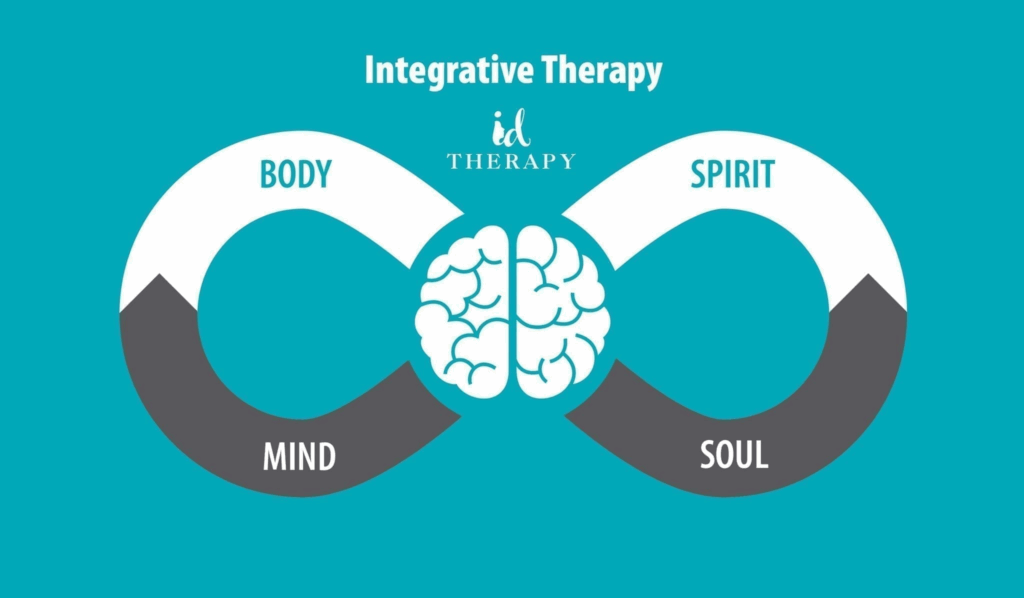
Integrative Psychotherapy

 A more flexible and comprehensive approach compared to traditional psychotherapies. A progressive form of psychotherapy, personalized to the individual.
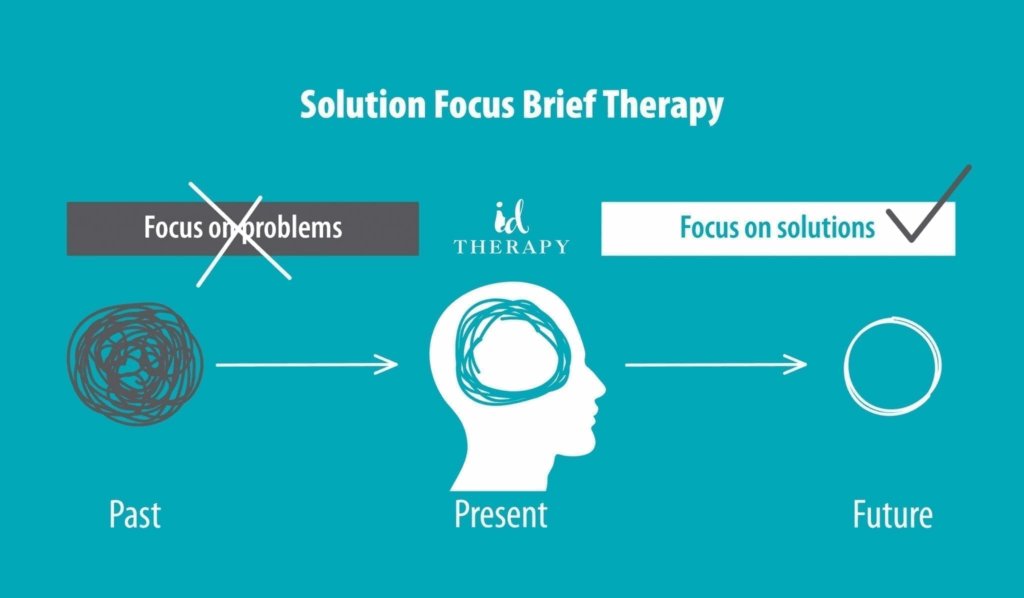
Brief Collaborative Psychotherapy
Brief Resource- and Solution-Focused Psychotherapy is a collaborative therapeutic process with the direct participation of the patient.
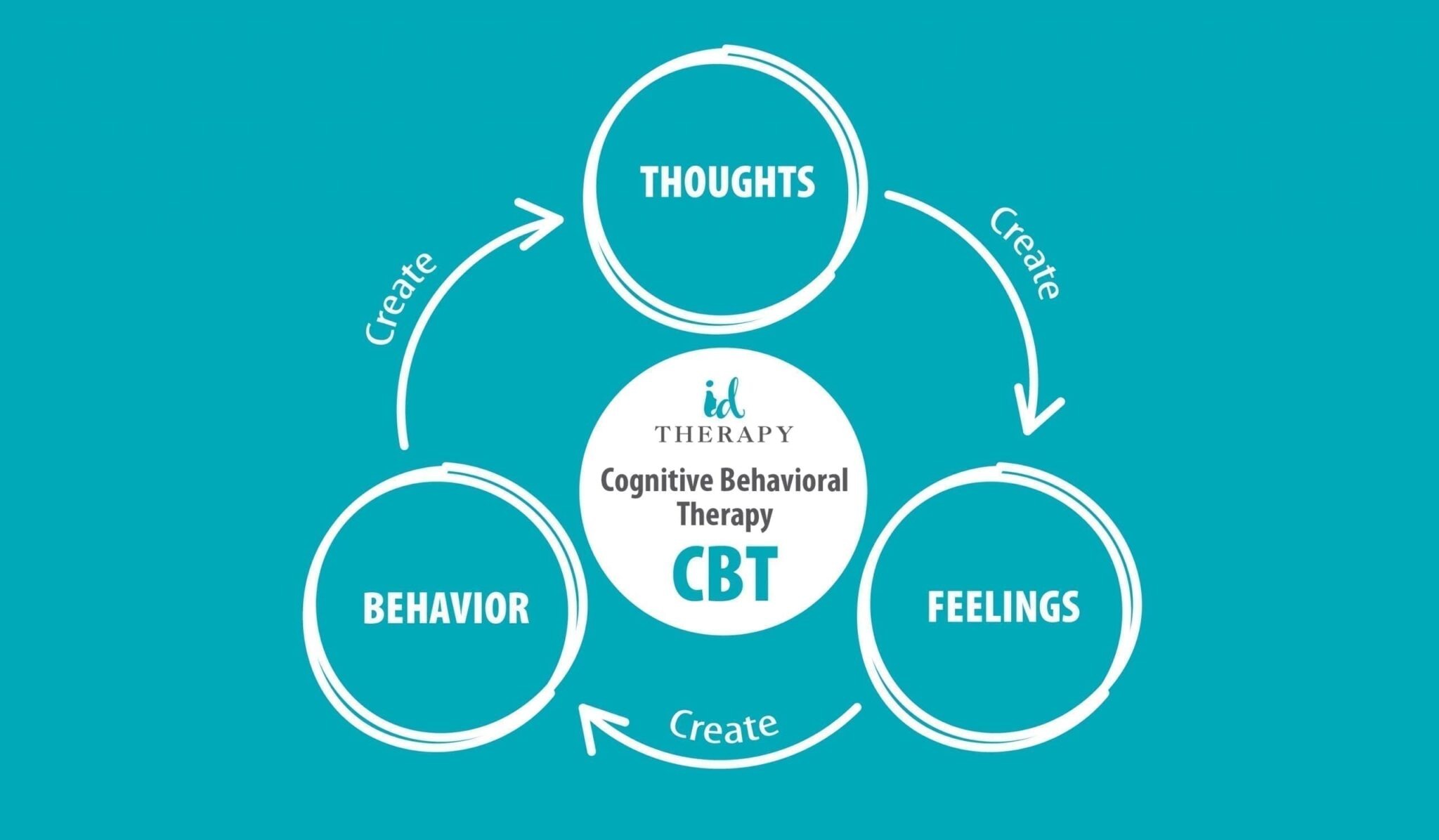
Cognitive Behavioral Psychotherapy
The way we interpret or think about a particular situation determines the emotion we experience in relation to it.
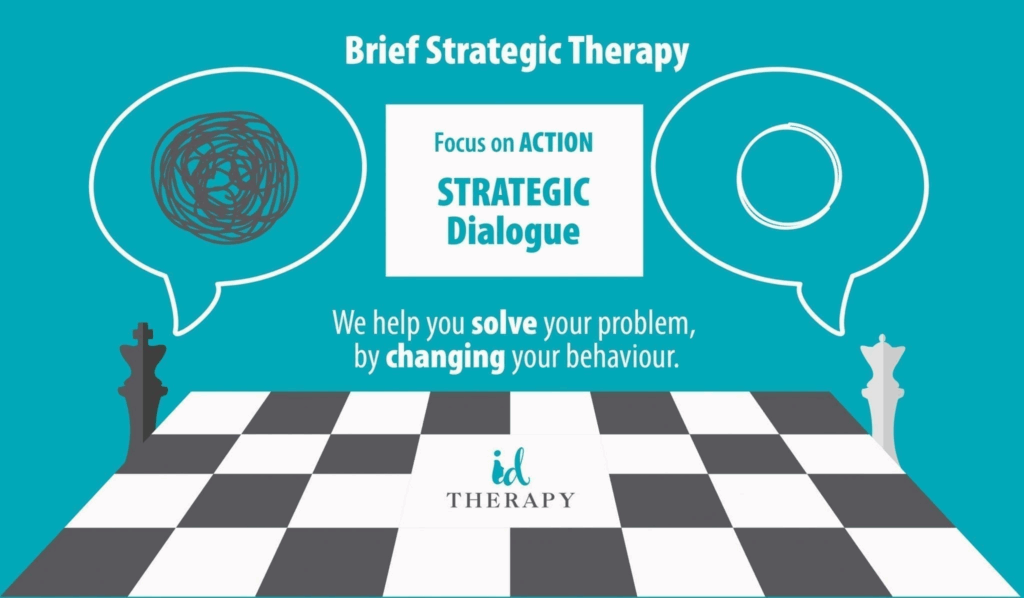
Brief Strategic Psychotherapy
There are personal therapies that last for years and therapies that achieve results in a maximum of 10 sessions. Brief Strategic Psychotherapy focuses on efficient and targeted change.

Safe amount of alcohol you can consume

The safe amount of alcohol a person can consume depends on several factors, including age, sex, overall health status, and family history related to alcohol problems. It is also important to note that “safe” does not necessarily mean risk-free, but rather a level at which the risks of developing short- or long-term health problems are reduced.


In many countries, recommended consumption limits are expressed in alcohol units, where one standard unit of alcohol contains approximately 10 grams of pure alcohol. This is roughly the amount of alcohol found in a small glass of wine, a standard-sized beer, or a small serving of spirits.

  • For men: no more than 2 units of alcohol per day and no more than 14 units per week.
  • For women: no more than 1 unit of alcohol per day and no more than 7 units per week.
These recommendations take into account the fact that women tend to metabolize alcohol more slowly than men and are therefore more vulnerable to the negative effects of alcohol even at lower levels of consumption. It is also important to have alcohol-free days during the week to allow the body to recover.
It is crucial to understand that these limits do not apply to certain groups of people, such as individuals who plan to drive vehicles or operate machinery, pregnant or breastfeeding women, and people with medical conditions or those taking medications that interact negatively with alcohol.

Tips for preventing alcohol addiction or alcoholism

Preventing alcohol addiction or alcoholism is an essential component of maintaining good health. Below are several tips that can help reduce the risk of developing alcohol dependence:
  1. Know your limits: It is important to be aware of how much alcohol you consume and to respect the recommended limits for moderate drinking.
  2. Alcohol-free days: Include days in your routine when you do not consume alcohol at all. This can help prevent the development of dependence and allows the body to recover.
  3. Avoid using alcohol as “medicine”: Do not use alcohol as a way to manage stress, anxiety, or depression. Instead, seek healthy coping methods such as physical exercise, meditation, hobbies, or talking with a therapist.
  4. Be mindful of family history: If there is a history of alcoholism in your family, you are at a higher risk of developing dependence. Being aware of this risk allows you to take proactive steps to limit alcohol consumption.
  5. Engage in alcohol-free activities: Participate in social activities that do not revolve around alcohol consumption.
  6. Education: Learn about the risks associated with excessive alcohol use. Understanding the negative effects on physical health can serve as a strong deterrent.
  7. Support: When alcohol consumption becomes problematic, seek help. There are many available resources, including counseling, support groups such as Alcoholics Anonymous, and treatment programs.
  8. Create a supportive environment: A supportive environment, such as close family and friends, can reduce social pressure and provide encouragement during difficult times.
By adopting these tips and maintaining a proactive attitude toward alcohol consumption, you can significantly reduce the risk of developing alcohol addiction.
Discover the ID Therapy Clinic team
Nadia Gorduza
Psychotherapist Doctor & Founder of ID THERAPY
Raina Saguna
Integrative Psychotherapist, Clinical Psychologist
Schedule an appointment and break free from addiction!
WhatsApp: +40 770 942 836
Adress: Naum Ramniceanu Street, no. 23, ap. 1, Sector 1, Bucharest, Romania