

Addiction
What Is Addiction: Causes, Stages, Effects, Types, Treatment
What Is Addiction?
What Are the Differences Between Dependence and Addiction?
- Physical dependence: characterized by withdrawal symptoms and tolerance. A person may be physically dependent on a substance without necessarily being addicted.
- Addiction: involves behavioral changes caused by biochemical changes in the brain following ongoing substance use. The behavior becomes irrational, and substance use becomes a priority regardless of negative consequences.
What Is Psychological (Mental) Dependence?
Substance Abuse vs. Substance Dependence
The Diagnostic and Statistical Manual of Mental Disorders (DSM) now defines substance abuse and substance dependence on a spectrum that measures the frequency and intensity of substance use. Abuse is considered an early stage of dependence, and as substance use becomes more frequent, the risk of developing a substance use disorder increases.
Why Is the Term “Addiction” Avoided?
What Causes Addiction?
Genetic Factors
There is a painful truth in the fact that not all of us face the same risk of developing addiction. Genetics play a significant role, influencing how our brain responds to certain substances or behaviors. If there are cases of addiction in your family, the likelihood that you may face this problem is higher.
Genes can influence our sensitivity to the pleasurable effects of a substance or behavior, increasing vulnerability to addiction. It can feel like having an inner pull—an invisible magnet drawing you toward that substance or activity, regardless of reason.
Environmental Factors
The environment we live in and develop within has a major impact on our behavior. Growing up in an environment where substances are accessible or socially accepted, as well as exposure to trauma, abuse, or neglect, can all act as triggers for addiction.
Chronic stress, social pressure, and the lack of adequate family support may lead individuals to seek relief through substances or addictive behaviors. For example, a teenager living in a dysfunctional family may turn to alcohol or drugs, finding false comfort and a brief escape from a painful reality.
Psychological Impact
The human psyche is fragile and complex. Mental health conditions such as depression, anxiety, or post-traumatic stress disorder (PTSD) can significantly increase the risk of addiction. In a desperate attempt to cope with emotional pain, people may turn to substances or addictive behaviors to numb their suffering.
It is as if one carries an invisible burden—a weight on the soul—and alcohol, drugs, or gambling seem to be the only possible escape. Unfortunately, these temporary solutions only deepen the gap, leading to a vicious cycle of addiction and self-destruction.
Age and Development
Addictive behaviors during youth can significantly influence brain development, increasing the risk of mental health disorders as the person grows older and addiction worsens. Some forms of addiction develop slowly over months or even years, depending on the substance or behavior involved.
For example, cocaine or heroin addiction may develop more rapidly than marijuana or alcohol addiction, because these substances reach the bloodstream and brain tissues more quickly.
The Combination of Genetic, Environmental, and Psychological Factors
Addiction is never the result of a single factor—it is a complex combination of our genetic predisposition, life experiences, and mental health state. A person with a genetic predisposition may not develop addiction without environmental triggers or psychological factors. For example, a young person going through a major personal loss and lacking an adequate support system may seek relief through substance use, eventually developing addiction.
Many addictions arise from a deeply human need to find comfort, relief, and meaning in a world full of challenges. Substances and addictive behaviors may appear as accessible solutions for dealing with pain and anxiety, but they only mask symptoms without addressing the deeper causes of suffering.
Becoming aware of the complexity of addiction causes allows us to approach the issue with greater understanding and compassion. By helping people struggling with addiction identify and heal the root causes, we open the path toward recovery and healing.
It is essential to offer support, love, and appropriate resources to those who are fighting addiction, so they can find real answers to their suffering and build a healthier and happier life.
At ID Therapy Clinic, every individual is treated with respect and compassion, receiving the support needed to rediscover their value and potential to live a fulfilled life.
Stages of Addiction
Stages of Addiction
Addiction is a gradual process that develops through distinct stages. Each stage brings changes in the individual’s behavior and emotional state, strengthening the bond with the substance or the addictive behavior. Understanding these stages is crucial for recognizing early warning signs and intervening before the issue becomes overwhelming.
The four stages of addiction are: experimental, social, risk, and addiction.
1. The Experimental Stage: Initial Curiosity
The experimental stage is the first step on the path toward addiction. During this phase, the substance is used out of curiosity or the desire to try something new. The individual may be influenced by friends, media, or simply the desire to explore the unknown. Use is occasional, and there is no established pattern of consumption.
- Main motivation: Curiosity or social pressure
- Frequency of use: Occasional, without a fixed pattern
- Risk perception: Usually minimal, as the substance is perceived as harmless or interesting
For example, a teenager may try alcohol or marijuana for the first time at a party, influenced by friends or the desire to fit in. At this stage, use does not appear problematic and is often underestimated as potentially dangerous.
2. The Social Stage: Using for Social Reasons
As occasional use becomes more frequent, the individual begins to integrate the substance into their social life. In the social stage, the substance is used in social settings to experience a sense of belonging, to relax, or to have fun. Use becomes a common part of social interactions and begins to feel “normal.”
- Main motivation: The desire to belong, have fun, or relax
- Frequency of use: More frequent, but still linked to social occasions
- Risk perception: Usually low, as the substance is associated with pleasant and safe activities
For example, a person may drink alcohol regularly during gatherings with friends or smoke cigarettes during breaks at work. At this stage, the substance becomes an integral part of social activities, and the associated risks are often ignored.
3. The Risk Stage: Ignoring Consequences
In the risk stage, use becomes increasingly frequent and starts to occur regardless of consequences. The individual begins to push limits and ignore warning signs—both internal and external. Behaviors become riskier and more dangerous, and negative consequences start to appear.
- Main motivation: Escape, emotional relief, or intensifying the effects of the substance
- Frequency of use: Very frequent, often outside social settings
- Risk perception: Minimized or completely ignored
At this stage, the person may begin drinking alcohol or using drugs alone, driving under the influence, or spending large amounts of money on gambling. Signs of addiction become more evident, and substance use starts to negatively impact the person’s life.
4. The Addiction Stage: Complete Captivity
The final and most severe stage is addiction. In this phase, substance use or the addictive behavior becomes a daily necessity—or even something that occurs multiple times per day—regardless of negative consequences. The brain and body are now fully dependent on the substance or behavior in order to function normally. The person’s life revolves around satisfying this overwhelming need.
- Main motivation: The urgent need to avoid withdrawal symptoms and function normally
- Frequency of use: Daily or multiple times a day
- Risk perception: Recognized, but the substance is perceived as indispensable
The person continues to drink alcohol or engage in the addictive behavior despite health problems, damaged relationships, and loss of employment. Without the substance, withdrawal becomes unbearable, and each day becomes a struggle to find relief.
Recognizing and understanding these stages is crucial in order to intervene at the right time. Early intervention can prevent addiction from progressing and can provide the support needed for recovery.
At ID Therapy Clinic, we understand how difficult and painful these stages can be. We offer personalized support to help individuals find their path to healing. Our dedicated team of professionals provides comprehensive assessments, tailored therapy, and ongoing support programs, ensuring that every patient receives the care and compassion they need.



The Effects of Addiction
Physical Effects
Addiction leads to a decline in physical health, causing chronic illnesses, damage to vital organs, and, in extreme cases, death. Physical symptoms may include weight loss or weight gain, insomnia, cardiovascular problems, and chronic pain.
Mental and Emotional Effects
From a mental and emotional perspective, addiction can lead to anxiety, depression, paranoia, and personality disorders. Self-esteem declines, and the person struggling with addiction may experience intense feelings of guilt and shame.
Social Effects
Personal relationships are severely affected. Conflicts with family and friends become frequent, and social isolation is common. Addiction can lead to job loss, financial difficulties, and legal problems.
Effects on Quality of Life
Quality of life deteriorates significantly. The person struggling with addiction neglects responsibilities, hobbies, and personal interests, living in a vicious cycle of substance use and emotional suffering.
Recovery and Healing
Recognizing these effects is essential for timely intervention and treatment. With proper support, individuals struggling with addiction can find their way toward recovery, rediscovering their health and happiness.
How Many Types of Addiction Are There?
- Alcohol addiction
- Drug addiction
- Tobacco addiction
- Gambling addiction
- Video game addiction
- Caffeine addiction
- Internet addiction
- Shopping addiction
- Food addiction
- Sex addiction
- Exercise addiction
- Work addiction
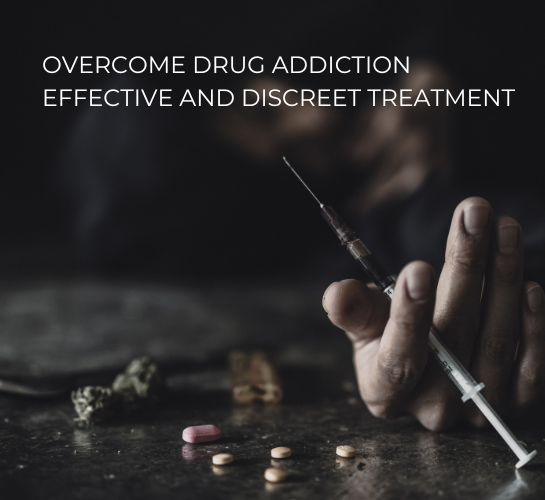
1. Drug Addiction
Drug addiction is one of the most devastating forms of addiction, with the power to destroy lives, families, and entire communities. It is a widespread crisis affecting millions of people globally, leaving behind a trail of suffering and despair. But let’s explore together what this type of addiction means, how it develops, and how it can be addressed in order to open the path toward healing and hope.
Drug addiction is a chronic and relapsing condition characterized by the compulsive use of chemical substances despite clear negative consequences on health, relationships, and everyday life. It involves significant changes in brain structure and functioning, leading to a loss of control over substance use and the development of addictive behaviors.
Causes and Effects of Drug Addiction
Genetic and Biological Factors
Genetics play an important role in predisposition to addiction, with certain genetic traits and chemical imbalances in the brain increasing risk.
Environmental Factors
The environment strongly influences the risk of addiction. Growing up in an environment where drug use is prevalent, exposure to trauma, and lack of family support are key contributing factors. Social pressure and easy access to drugs also play a crucial role.
Mental Health Issues
Mental health disorders such as depression and anxiety are closely linked to drug addiction. People may turn to drugs to manage the symptoms of these conditions, which can worsen problems in the long term.
Symptoms of Drug Addiction
Tolerance and Withdrawal
Addiction is often marked by the need to consume larger amounts of the substance to achieve the same effect (tolerance) and by severe withdrawal symptoms when use is stopped, such as anxiety and tremors.
Loss of Control
Individuals struggling with addiction lose control over substance use despite repeated attempts to cut down or stop.
Neglecting Responsibilities
Addiction leads to neglecting responsibilities, affecting work, school, and family obligations.
Interpersonal Problems
Drug use causes conflicts with family members, friends, and colleagues, often resulting in social isolation.
The Impact of Drug Addiction
Physical Health
Drug addiction severely affects physical health, leading to internal organ damage, infections, and overdoses.
Mental Health
Addiction worsens mental health conditions, leading to severe depression, anxiety, and psychosis, increasing the risk of suicide and self-harm.
Social and Economic Impact
Addiction can lead to job loss, serious financial problems, and legal issues, affecting a family’s overall stability.
Drug Addiction Treatment
Medical Treatment
Treatment begins with medically supervised detoxification to manage withdrawal symptoms. Medication may be used to reduce cravings and treat withdrawal.
Behavioral Therapy and Counseling
Cognitive behavioral therapy (CBT) and counseling help individuals change destructive behaviors and develop strategies for stress management.
Support Groups
Participation in support groups such as Narcotics Anonymous provides essential emotional and community support for recovery.
Prevention and Recovery Strategies
Education and Awareness
Educating young people and communities about the risks of drug use and promoting a healthy lifestyle are essential prevention strategies.
Family and Social Support
A strong family and social support system is vital in both prevention and recovery from addiction.
Recovery from Drug Addiction
Recovery requires long-term commitment and ongoing support. Adopting a healthy lifestyle and learning stress-management strategies are essential for maintaining sobriety.
Hope and Healing
Drug addiction is an enormous challenge, but with the right support and appropriate treatment, healing is possible. Every person can find hope and joy beyond the shadow of addiction. You are not alone in this struggle, and there is always hope for a better future.
At ID Therapy Clinic, we understand that drug addiction is an intense and painful battle that leaves its mark on every aspect of a person’s life. Recognizing the symptoms of this condition can be the first step toward healing and recovery. These symptoms range from obvious physical changes to subtle—yet devastating—emotional and behavioral transformations. Each sign is a cry for help, an indication that the affected person needs support and intervention.
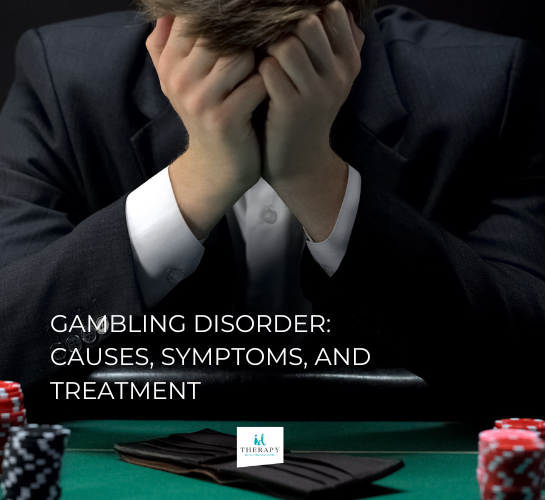
2. Gambling Addiction
Causes of Gambling Addiction
Gambling addiction can have multiple causes, often interconnected:
- Genetic factors: Certain genetic traits may make some individuals more prone to addictive behaviors, including gambling.
- Mental health issues: Mental health disorders such as depression, anxiety, and personality disorders can increase the risk of developing gambling addiction.
- Social environment: Exposure to environments where gambling is accepted and encouraged can influence behavior, especially in young people.
- Emotional escape: Gambling may be used as a way to cope with stress, personal problems, or emotional trauma, offering a temporary escape from reality.
Signs and Symptoms of Gambling Addiction
Gambling addiction manifests through a range of symptoms that affect both behavior and emotional well-being:
- Constant preoccupation: The person spends significant time thinking about gambling, planning the next gambling session, or reliving past experiences.
- Need to gamble with increasing amounts of money: Developing tolerance leads to the need to bet larger amounts in order to achieve the same excitement and satisfaction.
- Repeated failure to control behavior: Despite efforts to reduce or stop gambling, the person cannot control the impulse to gamble.
- Irritability and restlessness: When trying to cut down or quit, the individual may experience irritability, restlessness, and anxiety.
- Lying and hiding the behavior: To conceal the truth, people struggling with gambling addiction often resort to lies and deception, which leads to loss of trust in personal relationships.
- Jeopardizing relationships and employment: Gambling addiction can lead to family conflict, divorce, job loss, and severe financial difficulties.
The Devastating Impact of Gambling Addiction
Gambling addiction can have devastating consequences on a person’s life:
- Financial ruin: Massive financial losses may lead to large debts, loss of savings, and, in extreme cases, personal bankruptcy.
- Legal problems: Individuals may turn to illegal activities such as theft or fraud in order to finance the addictive behavior.
- Relationship breakdown: Gambling addiction leads to constant conflict and lies, and neglecting responsibilities can result in the collapse of family and friendships.
- Mental health issues: Gambling addiction often worsens existing mental health problems and may lead to severe depression, anxiety, and even suicide.
Treatment for Gambling Addiction
Recovery from gambling addiction is a complex process, but it is possible with the right support:
- Acknowledging the problem: The first step toward healing is recognizing the problem and being willing to seek help.
- Cognitive Behavioral Therapy (CBT): CBT is an effective treatment method that helps individuals identify and change destructive thoughts and behaviors.
- Individual and group counseling: Counseling provides a safe space to discuss emotional struggles and develop healthy coping strategies.
- Support groups: Participating in support groups such as Gamblers Anonymous offers emotional support and encouragement from others who have been through similar experiences.
- Family support: Involving the family in the recovery process is essential for emotional support and rebuilding damaged relationships.
Gambling addiction may feel like a trap with no way out, but with the right support, healing is possible. You are not alone in this struggle.
At ID Therapy Clinic, we are here for you—ready to help you overcome addiction and reclaim your freedom. Together, we can build a brighter and healthier future.
Contact us today and start your journey toward healing and rediscovering the joy of living.
3. Internet Addiction
Signs and Symptoms of Internet Addiction
- Excessive preoccupation: The person spends a large amount of time thinking about the internet, planning the next online session, or reliving previous activities.
- Loss of control: Inability to limit time spent online, even when trying to reduce usage.
- Neglecting responsibilities: Time spent online interferes with work, school, household responsibilities, and personal relationships.
- Social isolation: Preference for online interactions over face-to-face relationships, leading to isolation and deterioration of real-life connections.
- Physical symptoms: Health issues related to excessive internet use, such as eye strain, back and neck pain, and sleep disturbances.
Internet addiction can have devastating consequences on a person’s life. In addition to social isolation and neglecting responsibilities, it may lead to mental health issues such as anxiety, depression, and low self-esteem. Excessive internet use can also affect academic or professional performance, causing financial problems and conflict in personal relationships.
How to Cope with Internet Addiction
Managing internet addiction involves recognizing the problem and implementing effective strategies to reduce internet use. Here are a few tips:
- Set time limits: Use screen-time monitoring tools to limit the amount of time spent online, and stick to those limits.
- Prioritize offline activities: Engage in activities that do not require internet use, such as exercise, reading, or spending time with family and friends.
- Seek support: Talk to a mental health professional or join support groups to receive guidance and encouragement.
- Create healthy routines: Establish a daily schedule that includes regular breaks from internet use and activities that improve your well-being.
At ID Therapy Clinic, we understand the complexity and impact of internet addiction on your life. We offer personalized treatment plans, including behavioral therapy, counseling, and support groups, to help you manage internet use and rediscover balance in your life. Our dedicated team of professionals is here to guide you step by step on the path to recovery.
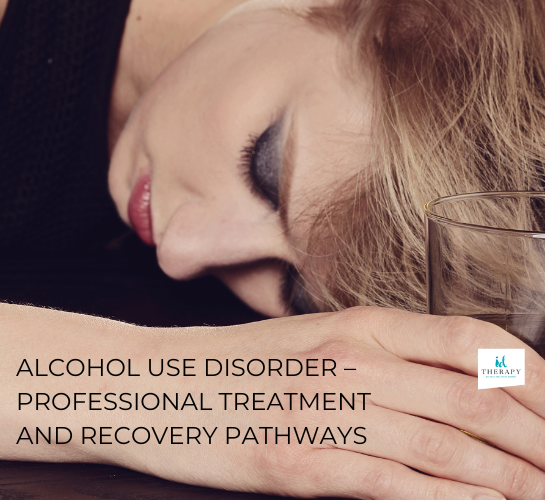
3. Alcohol Addiction and Alcoholism
- Dependence – a condition in which a person has a strong and uncontrollable need to consume alcohol
- Abuse – a condition in which a person drinks excessively and regularly, but does not have an uncontrollable need to consume alcohol
7 Tips for Treating Alcohol Addiction
Alcohol addiction is a major challenge, but with proper support and personal commitment, recovery is possible. Here are seven tips for treating alcohol addiction:
- Seek professional help: The first essential step is to seek professional help. Doctors, psychologists, and addiction counselors can provide thorough assessments and personalized treatment plans.
- Detoxification under medical supervision: Detoxification is a crucial step. It is important for it to be carried out under medical supervision in order to manage withdrawal symptoms and prevent complications.
- Participate in behavioral therapy and counseling: Cognitive Behavioral Therapy (CBT) and individual or group counseling are essential for addressing the root causes of addiction and developing healthy coping strategies.
- Join support groups: Support groups such as Alcoholics Anonymous (AA) provide a setting where individuals can share experiences and receive mutual support.
- Adopt a healthy lifestyle: A healthy lifestyle contributes significantly to recovery. This includes a balanced diet, regular physical activity, and adequate sleep.
- Identify and avoid triggers: It is important to identify triggers that may lead to relapse and develop strategies to avoid them or manage them effectively.
- Ask your therapist for help: ID Therapy Clinic offers a safe and supportive environment for alcohol addiction treatment. With a dedicated team of professionals, the clinic provides personalized therapy, counseling, and ongoing support programs, ensuring that you receive the care you need to overcome addiction and maintain long-term sobriety.
Physical Withdrawal
Physical withdrawal refers to bodily symptoms that occur when a substance is eliminated from the system. These symptoms may vary depending on the specific substance, but can include:
- Tremors and excessive sweating: The body tries to adjust to the lack of the substance, and shaking and sweating are common responses.
- Nausea and vomiting: The digestive system may react strongly to the absence of the substance, causing severe nausea and vomiting.
- Muscle and joint pain: As the body attempts to detoxify, intense pain may occur in muscles and joints.
- Heart palpitations and high blood pressure: The cardiovascular system may be affected, leading to palpitations and increased blood pressure.
- Seizures: In severe cases, the absence of the substance can lead to seizures—especially in alcohol withdrawal or withdrawal from strong drugs.
Psychological Withdrawal
Psychological withdrawal can be just as devastating as physical withdrawal. Symptoms include:
- Anxiety and agitation: Without the substance that once calmed the mind, the person may experience intense anxiety and constant restlessness.
- Depression: Lack of the substance may lead to deep feelings of sadness and hopelessness.
- Insomnia: Without the substance, sleep can become difficult, leaving the person exhausted and unable to rest.
- Nightmares and vivid dreams: Withdrawal can trigger severe sleep disturbances, including nightmares and intense dreams.
- Irritability and anger: Without the substance that once numbed emotions, the person may become extremely irritable and angry.
Acknowledging the Problem
The first essential step toward recovery is acknowledging that a certain substance or behavior is negatively affecting quality of life. This may include consequences for professional performance and social relationships.
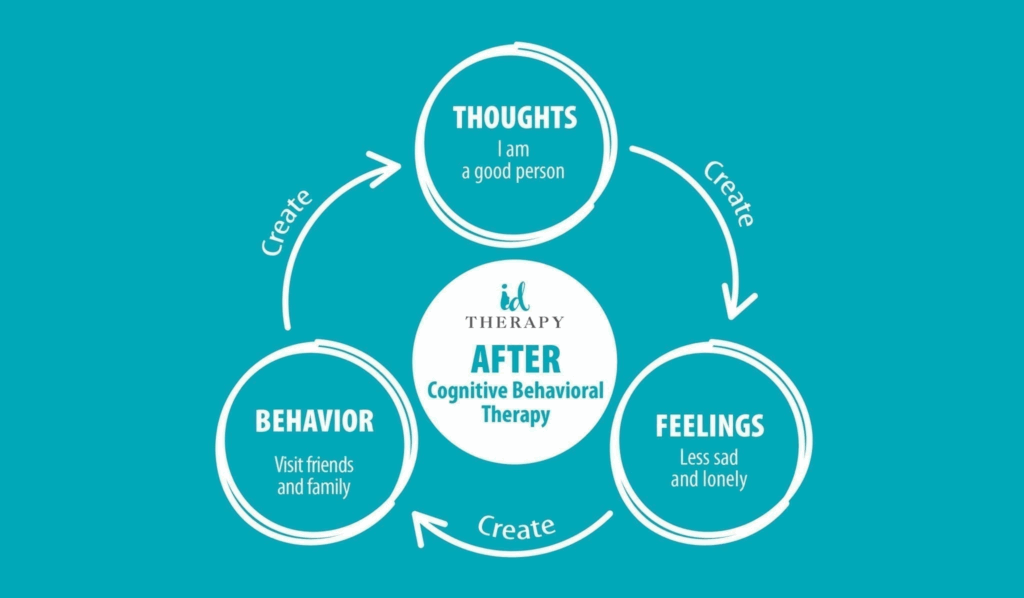


Addiction Treatment Includes:
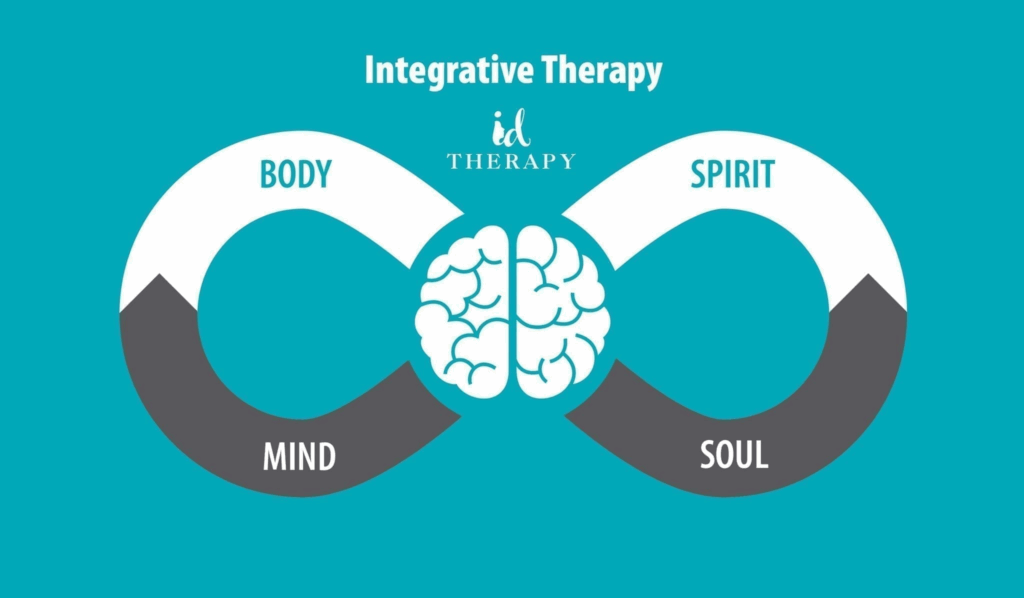
- Psychiatric Treatment: In addition to psychotherapy sessions, psychiatric treatment is recommended, including medication therapy to reduce withdrawal symptoms and stabilize the patient.
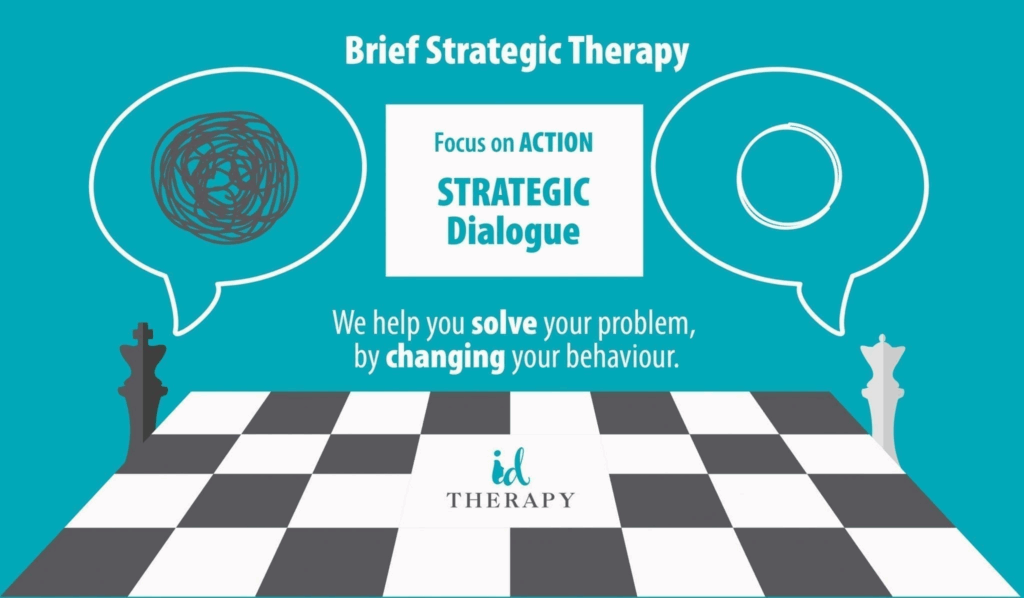
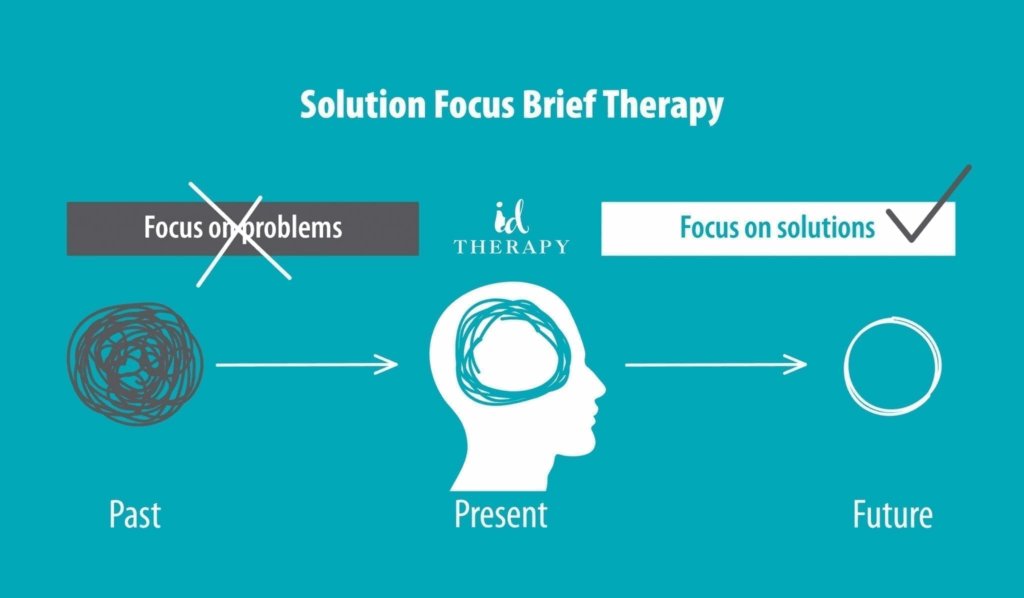
- Cognitive Behavioral Therapy (CBT): Cognitive Behavioral Therapy (CBT) is essential in helping patients identify, avoid, and cope with situations in which they are vulnerable to addiction. This includes coping techniques and strategies for managing cravings, temptations, and stress.
- Motivational Interviewing Technique: This technique helps patients reconnect with their personal values and reasons for avoiding substance use or dysfunctional behaviors, strengthening their motivation for change.
- Group Therapy: Group therapy provides a supportive environment where experiences can be shared, facilitating recovery by connecting with others who face similar challenges.
- Medication for Psychological Comorbidities: Treatment may include medication for associated psychological conditions such as depression, anxiety, bipolar disorder, or borderline personality disorder, in order to support full recovery.
- Long-Term Monitoring: To reduce the risk of relapse, long-term monitoring is essential and may include admission to specialized detoxification or rehabilitation centers (for drug or alcohol dependence).
- Support Communities: Engaging in support communities, such as support groups, offers a sense of belonging and encouragement throughout the recovery process.
- Ongoing Coordination and Monitoring of Treatment: A well-coordinated treatment plan that is continuously monitored ensures that interventions are adapted to the patient’s changing needs.
All types of addiction are treatable, and the most effective treatment plans are comprehensive, because addiction affects every aspect of a person’s life.
Experience advanced neuromodulation
Free yourself from stress and anxiety – breathing exercises
Adress: Naum Ramniceanu Street, no. 23, ap. 1, Sector 1, Bucharest, Romania