

What is smoking or nicotine addiction?
Smoking addiction is caused by a substance called nicotine, a drug that is found in tobacco.
Nicotine causes changes in the brain that produce a momentary sense of pleasure. It is precisely this short-lived pleasure that makes people want to smoke cigarette after cigarette.
Smoking addiction is known to be a major public health problem and a global epidemic, with more than 1 billion people smoking daily worldwide.
In addition, it is known that women are much more affected than men.
In Romania, for example, over the past 20 years, the number of people who smoke has almost doubled. Moreover, over 55% of smokers are between 15 and 34 years old.
Nicotine consumption usually begins early in adolescence, with 95% of those who continue to smoke at the age of 20 becoming permanent daily smokers.
Smoking causes a dependence that is 6–8 times stronger than alcohol addiction and equivalent to cocaine addiction. Between 95% and 100% of smokers become dependent on nicotine.
Smoking addiction is one of the hardest types of addiction to overcome and is associated, in terms of mechanism, with addiction to dangerous drugs such as heroin or cocaine.
Once established, it becomes very difficult for people to quit.
Unfortunately, although nicotine is the substance that causes addiction, smokers also inhale many other toxic substances along with it.
More than 8,000 chemical substances or “smoke compounds” have been identified in cigarette smoke.
What are the causes?
Why do we become addicted to tobacco?
By inhaling tobacco smoke, nicotine reaches the lungs, which then rapidly release it into the bloodstream, allowing it to reach the brain within just a few seconds after taking a puff.
Once in the brain, nicotine increases the release of neurotransmitters such as dopamine, which regulates mood and behavior.
Dopamine is released in the brain’s “reward center,” producing a good mood and feelings of pleasure.
Experiencing these effects makes smoking highly addictive.
Smoking addiction involves not only physical effects but also behaviors, and these behavioral associations with smoking can act as triggers for “cravings to smoke.”
Examples include: morning coffee, work breaks, after eating, when drinking alcohol, when meeting friends, when talking on the phone or driving, in stressful situations, or when smelling cigarette smoke.
To overcome smoking addiction, you must be aware of these triggers and develop a plan to cope with the behaviors and activities you associate with smoking.

- Those with strictly behavioral dependence, who smoke about 5 cigarettes a day and can quit without difficulty
- Those with behavioral and psychological dependence, who smoke 20 or more cigarettes a day
- Those with behavioral, psychological, and physical dependence, who consistently smoke more than 20 cigarettes a day
- Passive smoking, also known as environmental tobacco smoke (ETS), is a combination of smoke produced at the burning end of a cigarette and smoke exhaled by smokers.
What risk factors are involved?
Anyone who smokes or uses other forms of tobacco is at risk of becoming addicted. Factors that influence the development of addiction include:
- Genetic factors: The likelihood that you will start smoking and maintain this habit may be partially inherited. Genetic factors can influence how receptors on brain nerve cells respond to high doses of nicotine.
- Family and social influence: Children of smoking parents are more likely to become smokers. Social environments, such as peers, movies, or the internet, can also encourage young people to smoke.
- Age: Most people start smoking during childhood or adolescence. The younger you are when you start, the greater the chances of becoming a long-term smoker as an adult.
- Depression or other mental illnesses: Studies show a strong association between smoking and conditions like depression, schizophrenia, or PTSD.
- Substance use: People who abuse alcohol or other drugs are significantly more likely to smoke.

- You cannot stop smoking, even though you have made serious attempts to quit multiple times.
- You experience withdrawal symptoms when trying to quit, including strong cravings, anxiety, irritability, restlessness, difficulty concentrating, depressed mood, frustration, anger, increased appetite, insomnia, and digestive problems.
- You continue to smoke despite health problems, even if you know you have lung or heart disease.
- You give up social or recreational activities in order to smoke. Smoking addiction may prevent you from going to non-smoking restaurants or socializing with certain family members or friends because you cannot smoke in certain places or situations.
Cigarette smoke contains more than 60 known cancer-causing chemicals, as well as thousands of other harmful substances.
Even “natural” or herbal cigarettes contain chemicals that are harmful to health.
Smoking affects nearly every organ of the body and the immune system. Nearly half of all smokers will die from tobacco-related diseases.
Negative effects of smoking addiction include:
- Lung cancer and other lung diseases: Smoking causes nearly 9 out of 10 lung cancer cases. It also leads to emphysema and chronic bronchitis, and worsens asthma symptoms.
- Other types of cancer: Smoking is a major cause of cancer in the esophagus, larynx, pharynx, and mouth. It is also linked to cancers of the bladder, pancreas, kidneys, cervix, and some leukemias.
- Heart and circulatory system problems: Smoking increases the risk of heart attack and stroke. Even as few as four cigarettes a day significantly increases cardiovascular risk.
- Diabetes: Smoking increases insulin resistance, leading to type 2 diabetes, and accelerates complications like kidney disease in diabetic patients.
- Eye problems: Smokers face a higher risk of cataracts and vision loss due to macular degeneration.
- Infertility and impotence: Smoking can negatively affect reproductive health and sexual function.
- Pregnancy and newborn complications: Maternal smoking increases the risk of miscarriage, premature birth, low birth weight, and sudden infant death syndrome (SIDS).
- Colds, flu, and other illnesses: Smokers are more susceptible to respiratory infections such as the flu and bronchitis.
- Reduced senses: Smoking dulls the senses of taste and smell, making food and aromas less perceptible.
- Dental and gum diseases: Smoking is associated with gingivitis and periodontitis, which can lead to tooth loss.
- Physical appearance: Tobacco chemicals cause premature skin aging and wrinkles, as well as yellowing of the teeth, fingers, and nails.
- Risks to family members (Secondhand smoke): Non-smoking partners and children face higher risks of lung cancer, heart disease, SIDS, and respiratory infections.
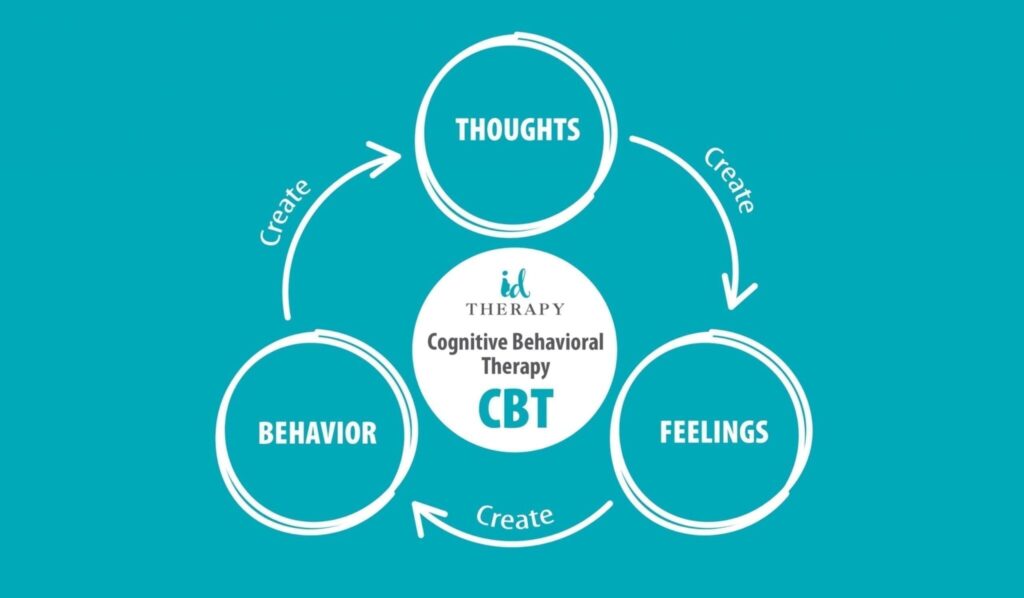
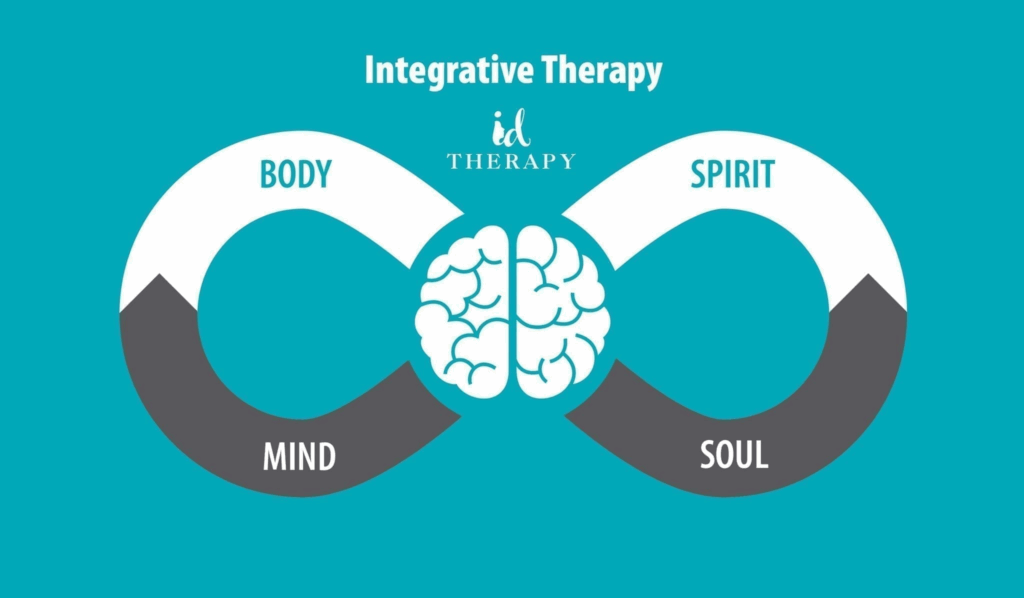
We combine different psychotherapeutic solutions to accurately map the source and mode of manifestation of each symptom. We integrate therapy types in an innovative manner to shorten the path to a solution and to diagnose directly within context.
Nicotine addiction is treated through:

Virtual Reality therapy for smoking addiction

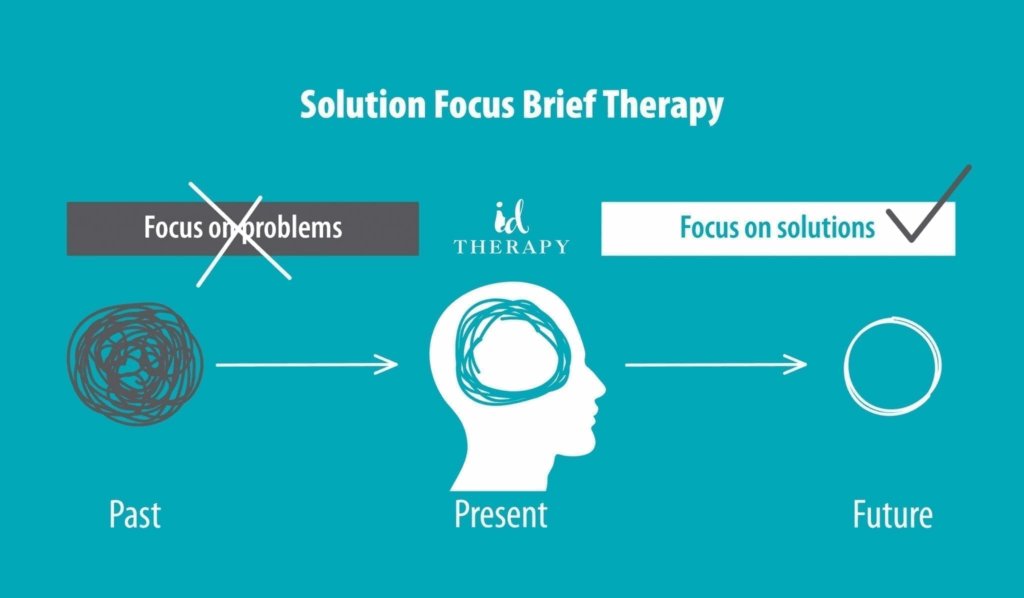
There are individual therapies that last for years and therapies that achieve results in a maximum of 10 sessions. Strategic Brief Psychotherapy…

The combination of psychotherapy and medication is sometimes the solution…



Adress: Naum Ramniceanu Street, no. 23, ap. 1, Sector 1, Bucharest, Romania