

Insomnia
Insomnia – What Is Insomnia? Types, Causes, Symptoms, Treatment
Insomnia is a sleep disorder that affects a significant number of people worldwide. It is characterized by difficulty falling asleep or staying asleep, having a negative impact on quality of life.
In this article, we will thoroughly explore the types, causes, treatments, and symptoms of insomnia, offering an in-depth and comprehensive perspective on this complex condition.
What Is Insomnia?
Insomnia is a common sleep disorder manifested by difficulty falling asleep or maintaining sleep throughout the night. People who suffer from sleep disorders may experience frequent awakenings or wake up too early in the morning without being able to fall back asleep. This condition can lead to poor-quality sleep, negatively affecting energy levels, mood, health, work performance, and overall quality of life.
Types of Insomnia
Insomnia can be classified into several types, each with specific characteristics that affect sleep duration and quality. The most common types include:
This type of insomnia is temporary and lasts from a single night up to one week. It is often triggered by specific events that disrupt normal sleep routines, such as stress, time zone changes, work-related pressure, or temporary physical discomfort. Although short-term, transient insomnia can significantly affect well-being, daily performance, and the ability to function effectively.

Also known as short-term insomnia, this form lasts from one to three weeks. Acute insomnia is commonly caused by ongoing stress, such as work-related issues, the death of a loved one, or other major life events. Early identification and management of acute insomnia symptoms are essential to prevent progression to a chronic form.

Chronic insomnia is a persistent sleep disorder lasting more than three months, with episodes occurring at least three times per week. This type of insomnia may have multiple causes, including long-term psychological stress, medical conditions (such as asthma or depression), or unhealthy sleep habits. The effects are often severe, negatively impacting quality of life and both mental and physical health.
Sleep maintenance insomnia is characterized by the inability to stay asleep throughout the night. Individuals frequently wake up and have difficulty falling back asleep, resulting in fragmented and non-restorative sleep. Causes may include stress, anxiety, chronic illnesses causing pain or discomfort, and respiratory issues such as sleep apnea. This type of insomnia can significantly impact daily functioning, causing daytime fatigue, reduced work or academic performance, and increased irritability.

Sleep-onset insomnia (also known as initial insomnia) is characterized by difficulty falling asleep at the beginning of the night, even though the person feels tired. This form of insomnia can be caused by several factors, including anxiety, stress, an unsuitable sleep environment, or the consumption of caffeine and other stimulants close to bedtime. People who suffer from sleep-onset insomnia may spend hours in bed unsuccessfully trying to fall asleep. This can increase feelings of anxiety and frustration, creating a vicious cycle that perpetuates the problem. Treatment for sleep-onset insomnia often includes relaxation techniques such as meditation or breathing exercises, cognitive-behavioral therapy, and establishing an evening routine that promotes relaxation and preparation for sleep.
Causes of Insomnia
The causes of insomnia vary widely and may involve environmental, behavioral, physical, and psychological factors. Managing insomnia requires a complex and personalized approach that may include lifestyle changes, psychological therapy, and in some cases medical intervention. Awareness of daily habits and openness to therapeutic strategies are essential for achieving healthy, restorative sleep.
The psychological causes of insomnia are diverse and complex, having a significant impact on both the quality and quantity of sleep.
Stress is probably the most well-known psychological factor that contributes to the development of insomnia. Worries related to work, financial problems, and family conflicts can activate the sympathetic nervous system, generating a state of alertness that interferes with the natural mechanisms of falling asleep. In such situations, the mind remains vigilant and hyperactive even during moments meant for rest, and sleep is delayed.

Anxiety, including specific anxiety disorders such as generalized anxiety disorder or panic disorder, can cause insomnia through ongoing worries and fears that disrupt the relaxation necessary for sleep onset. Negative thoughts and anticipation of future events can also keep the individual in a heightened state of alertness, blocking the transition to sleep.
Depression is another cause of insomnia that many people face today. Individuals may experience difficulty falling asleep or early morning awakenings. Depression is often linked to chemical imbalances in the brain, such as reduced serotonin levels, which affect both mood and sleep–wake cycles. In addition, feelings of sadness and hopelessness can make relaxation and falling asleep more difficult.
Neurological Causes of Insomnia
Neurological causes of insomnia represent an important category among the factors that influence sleep quality, involving various disorders of the nervous system. Neurological conditions can directly affect the brain’s ability to regulate normal sleep–wake cycles. Below are some of the most common neurological causes that can lead to insomnia:
Alzheimer’s disease – In neurodegenerative disorders such as Alzheimer’s disease and other forms of dementia, structural and chemical changes in the brain can severely disrupt sleep regulation. Patients may experience a reversal of sleep–wake cycles, meaning daytime sleepiness and nighttime insomnia, due to deterioration of the brain circuits involved in sleep control.
Parkinson’s disease is one of the neurological causes associated with insomnia. It can produce symptoms that disrupt sleep, such as muscle rigidity, tremors, and difficulties performing involuntary movements. In addition, Parkinson’s disease can directly affect brain structures that regulate sleep.
Epilepsy and seizures can also contribute to the development of insomnia. Nocturnal seizure episodes can interrupt sleep, and the anxiety and fear preceding them can eliminate the state of relaxation necessary for restful sleep. Moreover, some medications used to control epilepsy may have side effects that negatively affect sleep quality.
Medical Causes of Insomnia
Insomnia can often be a symptom of various medical conditions, whether chronic diseases, endocrine disorders, or respiratory issues. One of the most common medical causes of insomnia is sleep apnea. This disorder is characterized by repeated interruptions of breathing during sleep, leading to frequent awakenings and fragmented, non-restorative sleep. Other respiratory problems, such as asthma, can also disrupt sleep due to nighttime breathing difficulties.
Endocrine disorders, such as hyperthyroidism, can induce insomnia by increasing the body’s metabolism and energy levels, making relaxation and falling asleep difficult. On the other hand, chronic pain associated with conditions like arthritis or diabetic neuropathy can prevent finding a comfortable sleeping position, resulting in sleepless nights and persistent fatigue.
These conditions may require specific treatment strategies, including medication, physical therapy, and modifications to the sleep environment, to ensure better and deeper sleep.
Insomnia and Lifestyle


Symptoms of Insomnia
The symptoms of insomnia can significantly affect a person’s quality of life. These symptoms vary in intensity and frequency and may appear in different combinations depending on the individual case. The most common symptoms associated with insomnia include:
Difficulty falling asleep – One of the most obvious symptoms of insomnia is the persistent difficulty in falling asleep at the usual bedtime. Individuals may spend long periods in bed tossing and turning without being able to sleep.
Frequent nighttime awakenings – Insomnia often involves an inability to maintain sleep throughout the night. People may wake up multiple times and have difficulty falling back asleep, leading to fragmented rest.
Early morning awakenings – Many people with insomnia wake up much earlier than necessary and are unable to return to sleep, resulting in an insufficient duration of rest.
Non-restorative sleep – Even when individuals with insomnia get an adequate number of hours of sleep, it may not be refreshing. They can wake up feeling as tired as when they went to bed.
Daytime fatigue and sleepiness – Poor sleep quality often leads to daytime tiredness, which can affect concentration, memory, and the ability to perform daily tasks.
Irritability and mood disturbances – Lack of restorative sleep can cause irritability, mood swings, and even depression. Overall well-being can be seriously affected.
Reduced performance at work or school – Insomnia can significantly impair cognitive performance, affecting focus, alertness, and information processing speed.
Treatment for Insomnia
Treatment of insomnia involves a personalized approach tailored to the specific causes and symptoms of each patient. It is essential to identify the triggering factors in order to select the most effective treatment strategy.
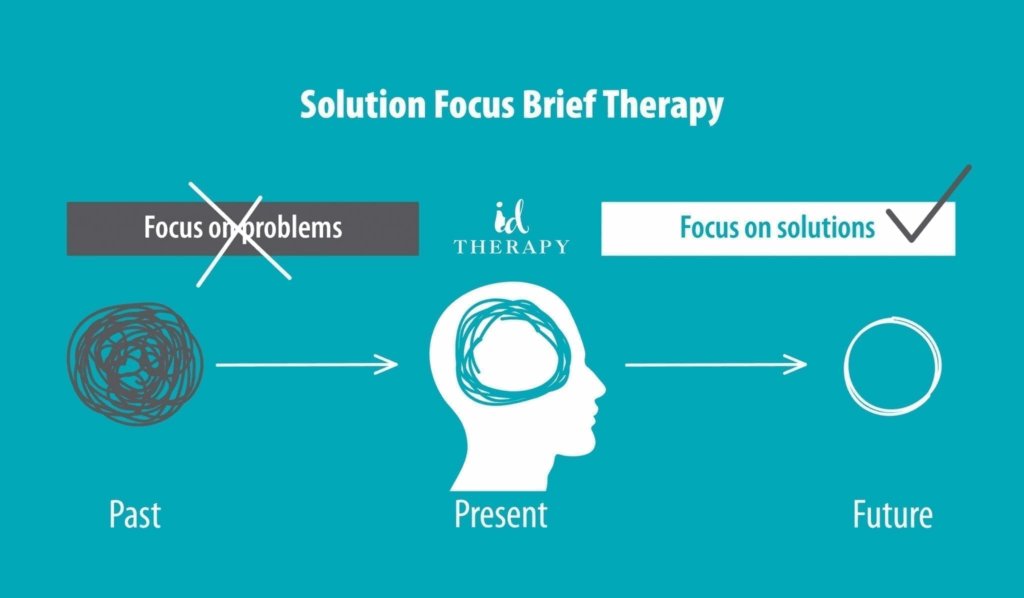
Treatment for chronic insomnia often includes a combination of cognitive-behavioral therapy, lifestyle modifications, and sometimes medication, all aimed at restoring a healthy sleep pattern. Here are some of the most common methods used to treat sleep disorders:


Medications for sleep, also known as hypnotics, can be prescribed for short-term treatment of insomnia. These include benzodiazepines and non-benzodiazepines, which can help induce sleep. However, long-term use of these medications is not recommended due to the risk of dependence and side effects. Sometimes, antidepressants are prescribed if insomnia is associated with depression.
Stimulus Control Whether as part of cognitive-behavioral therapy (CBT) or as a standalone technique, stimulus control (adjusting lighting, using the bed only for sleep, and maintaining a regular sleep/wake pattern) is an effective way to address insomnia caused by poor sleep habits.
Sleep Restriction Therapy This type of therapy is particularly effective for those aiming to increase the amount of “good sleep.” It limits the time spent in bed to promote sleep efficiency.
Over-the-Counter (OTC) Sleep Aids Many OTC sleep aids contain antihistamines. They can help you fall asleep more easily or improve sleep quality, but may also cause prolonged daytime drowsiness. Doctors generally do not recommend OTC sleep aids for chronic insomnia, as their effectiveness diminishes over time, and regular use can lead to serious side effects.
Prescription Sleep Medications The use of prescription sleep medications should always be prescribed and supervised by a psychiatrist.
Natural remedies for insomnia can offer a gentle and effective alternative for treating sleep disturbances, especially for those who prefer less invasive options compared to traditional medication.
This category includes melatonin supplements, which mimic a hormone produced by the human body that regulates the sleep-wake cycle.
Other remedies for combating insomnia include valerian root, lavender essential oil, and passionflower (passiflora), often used for their calming properties and ability to promote sleep.
A good and restful sleep is essential for overall health and well-being. Here are some tips to help improve sleep quality:
- Maintain a consistent sleep schedule: Go to bed and wake up at the same time every day, even on weekends.
- Create a sleep-friendly environment: Ensure your bedroom is dark, quiet, and at a comfortable temperature. Invest in a quality mattress and bedding.
- Use sleep aids if needed: Eye masks and earplugs can help block light and noise.
- Avoid stimulants and heavy meals: Limit caffeine, nicotine, and spicy or heavy foods, especially in the latter part of the day.
- Relax before bedtime: Read a book, listen to calming music, or practice meditation.
- Limit screen time: Avoid screens at least one hour before bed, as blue light can inhibit melatonin production.
- Exercise regularly: Physical activity promotes sleep, but avoid intense exercise within three hours of bedtime.
- Manage fluid intake: Monitor liquids throughout the day and reduce consumption a few hours before bed to minimize nighttime awakenings.
Adress: Naum Ramniceanu Street, no. 23, ap. 1, Sector 1, Bucharest, Romania