

cynophobia
What is cynophobia and how is it treated?
Cynophobia comes from the Greek words meaning “dog” (cyno) and “fear” (phobia). A person who has cynophobia has an exaggerated fear of dogs that is both irrational and persistent. It is more than simply feeling uncomfortable when you hear dogs barking or when you are in their presence. This fear can interfere with daily life and can trigger a range of symptoms, such as breathing difficulties or dizziness.
Specific phobias, such as cynophobia, affect approximately 7–9% of the population. Cynophobia falls within the “animal” category. About one third of people who seek treatment for specific phobias have an irrational fear of dogs or cats.
Symptoms of cynophobia
Researchers estimate that in Romania there are more than 3,500,000 owned dogs, in addition to so-called stray dogs. Therefore, the chances of encountering a dog are relatively high. If you suffer from cynophobia, you may experience symptoms when you are around dogs or even when you simply think about them.
The symptoms associated with specific phobias differ from person to person. Two people cannot experience fear or certain triggers in the same way. Symptoms can be physical, emotional, or both.
- Panic or anxiety attacks
- An intense need to escape from situations that trigger fear
- A feeling of detachment from oneself
- Loss of control
- The feeling that you might faint or even die
- The sense that you cannot do anything about this fear Children have specific symptoms. When exposed to the object or situation they fear, they may:
- Have tantrums
- Cling to their parents or caregivers
- Cry or scream
- Breathing difficulties
- Rapid heart rate
- Chest pain or a sensation of tightness
- Trembling
- Dizziness or confusion
- Stomach problems
- Sensations of heat or cold
- Sweating
Why does cynophobia occur?
You may not be able to pinpoint exactly when the fear began or what triggered it initially. Cynophobia can appear suddenly as a result of a dog attack, or it can develop gradually over time. There are certain situations or predispositions, such as genetic factors, that may put you at a higher risk of developing cynophobia.
Specific risk factors may include:

- Experience. Have you ever had an unpleasant experience with a dog in the past? Were you chased or bitten? Traumatic situations can increase the risk of developing cynophobia.
- Age. Phobias affect both children and adults. In some cases, certain phobias may first appear after the age of 10, but they can also develop later in life.
- Family. If a close relative has a phobia or anxiety, the likelihood that you will also develop a phobia is higher. It may be genetically inherited or become a learned behavior over time.
- Temperament. You may have a higher risk of developing phobias if you have a more sensitive temperament.
- Information. You may develop cynophobia if you have heard negative things about being around dogs. For example, reading about a dog attack can trigger this fear as a response.
To be officially diagnosed with a specific phobia, such as cynophobia, you must have experienced symptoms for six months or more. If you notice that your fear of dogs has begun to affect your daily life, you may want to keep a personal journal to share with your doctor.
Commonly used therapies
Not all phobias require treatment. When fear becomes so intense that you avoid parks or other situations where you might encounter dogs, a variety of options are available. Treatment includes psychotherapy or medication.

Virtual Reality Exposure Psychotherapy
Virtual Reality Exposure Psychotherapy is a form of psychotherapy in which people confront their fears in a controlled manner…
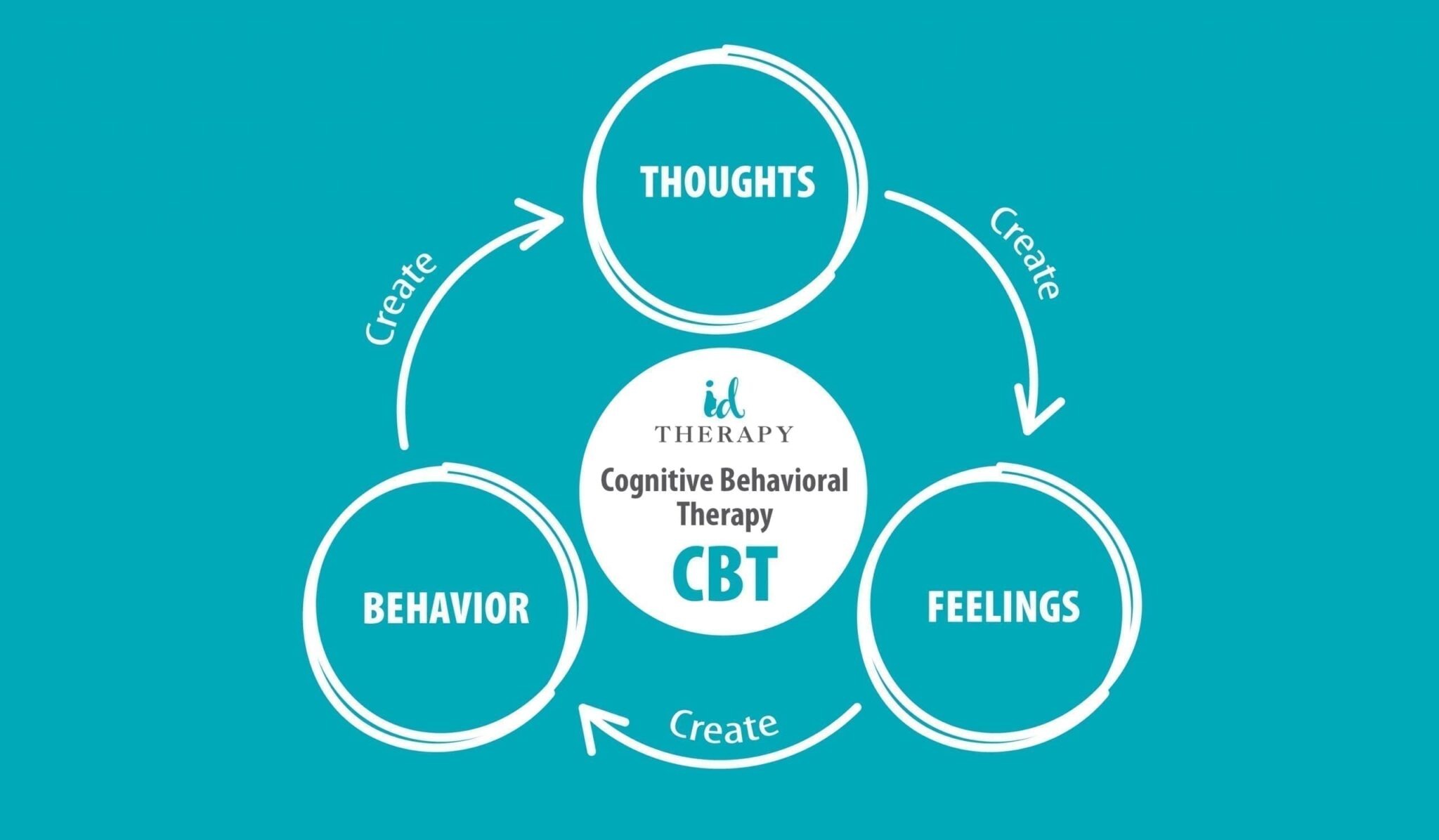
Cognitive Behavioral Psychotherapy
The way we interpret or think about a certain situation determines the emotion we feel about it…

Are you afraid of animals?
Free yourself from stress and anxiety – breathing exercises
Adress: Naum Ramniceanu Street, no. 23, ap. 1, Sector 1, Bucharest, Romania