

Fear of Public Speaking
What Is the Fear of Public Speaking?

Symptoms and Causes of the Fear of Public Speaking
The fear of public speaking is an intense and irrational fear of verbal communication in a social or professional setting. This anxiety can range from mild discomfort to intense panic, and its effects can significantly influence personal and professional quality of life.
At first glance, the fear of public speaking may seem like a simple, momentary emotion; however, for those who experience it intensely, the impact is much deeper. This fear can turn an opportunity to share ideas and build connections into a difficult obstacle to overcome. Understanding the symptoms and causes helps raise awareness of the mechanisms behind this fear and represents the first step toward managing it effectively.
Common Triggering Factors
Fear of being judged or criticized:
Many people fear that when they speak in public, they will be closely analyzed by others. Every word and every gesture feels scrutinized, which intensifies anxiety.
Previous negative experiences:
An embarrassing moment in the past, such as forgetting words or feeling blocked, can leave deep marks. These negative memories influence how a person perceives public exposure situations, generating negative anticipation and fear.
Perfectionism:
The desire to communicate perfectly, without any mistakes, is another important trigger. Perfectionists tend to set extremely high standards for themselves, and the fear of not meeting them creates a vicious cycle of anxiety.
Social pressure and fear of failure:
When we perceive that the audience expects high performance from us, pressure increases. The fear of disappointing others or not meeting expectations can amplify stress, making the situation even harder to manage.
How the Fear of Public Speaking Manifests Physically and Emotionally
Sweating, palpitations, or a lump in the throat:
The body reacts similarly to a real threat, activating fight-or-flight mechanisms. This can lead to excessive sweating, rapid heartbeats, and a sensation of throat blockage.
Blushing or trembling hands:
In situations of intense stress, the body becomes sensitive to even the smallest physical reactions. Facial redness, trembling hands, or even a shaking voice are common manifestations of anxiety.
Intense negative thoughts about one’s performance:
These thoughts may include negative self-beliefs such as “I will embarrass myself” or “I’m not good enough.” They contribute to maintaining fear and prevent adopting a constructive perspective.
The urge to escape or completely avoid the situation:
When anxiety becomes overwhelming, both body and mind seek to escape the situation. This urge can lead to repeated avoidance of public speaking, making the fear even harder to confront in the long term.
What Treatment Options Are Available?
We combine different psychotherapeutic solutions to precisely map the source and manifestation of each symptom.
Social anxiety is treated differently from one person to another, and most of the time, combining several types of therapy is necessary to achieve the best results.
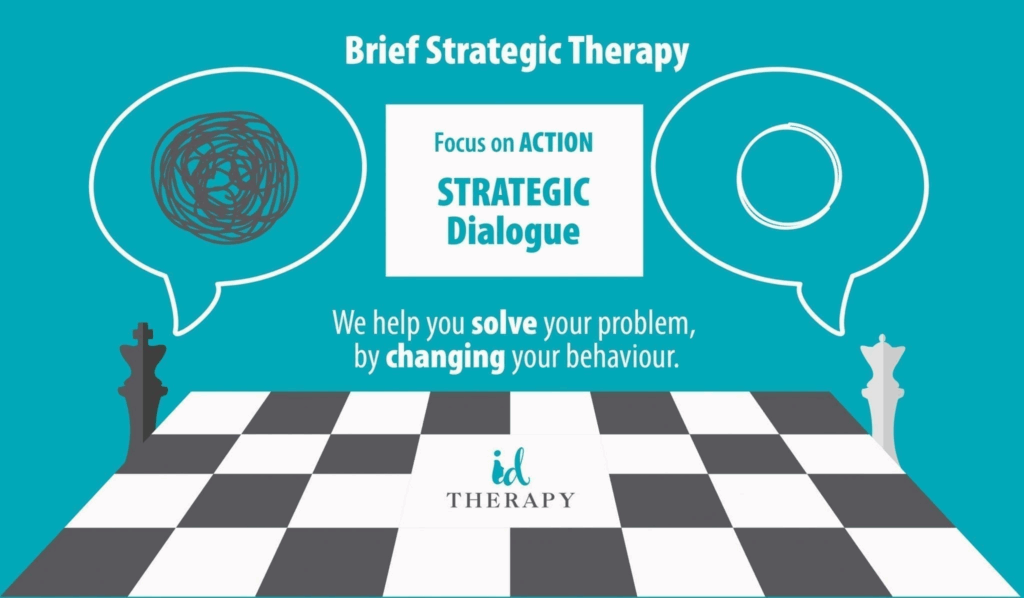
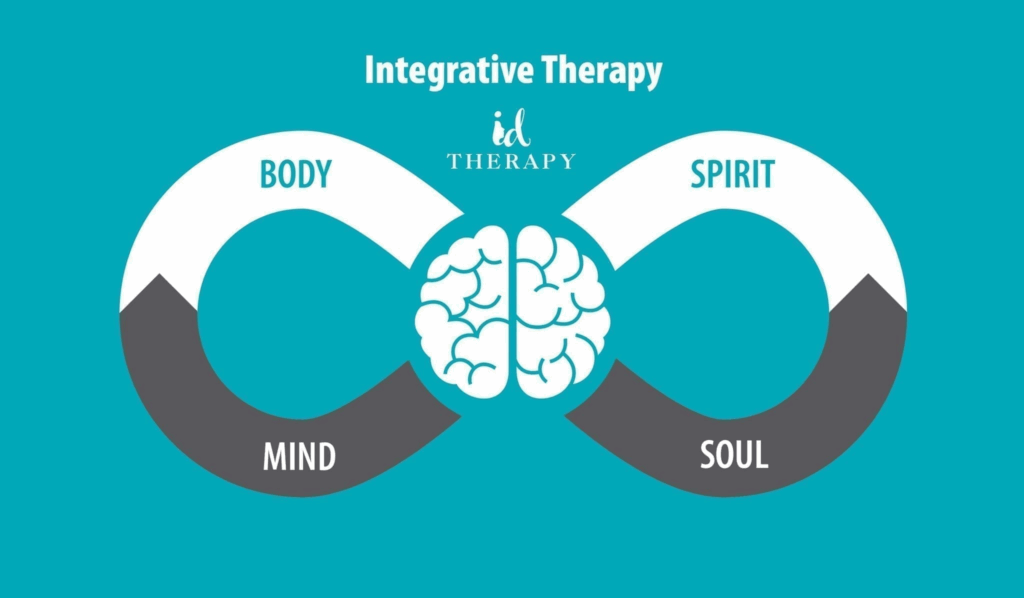
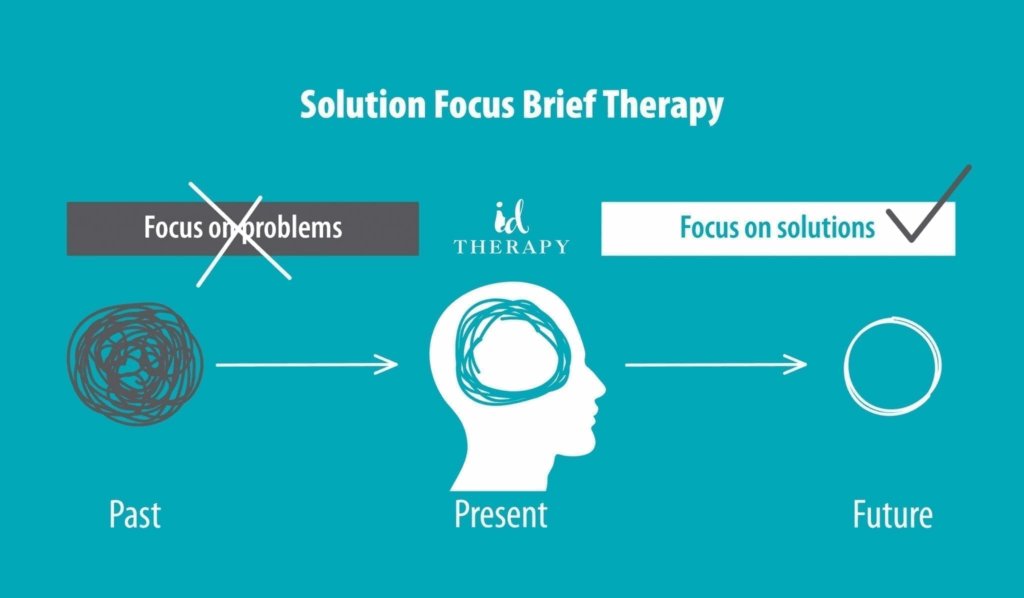
The ideal mix includes Virtual Reality Therapy along with techniques from Cognitive Behavioral Therapy, Brief Strategic Therapy, and Brief Collaborative Therapy.
How Can Therapy Help Treat the Fear of Public Speaking?
The fear of public speaking may seem like an insurmountable challenge, but therapy provides you with the tools needed to face this fear step by step. Whether it is mild anxiety or intense panic, working alongside a therapist can help you explore the deep causes of your fear and identify appropriate solutions to overcome it. Therapy is a personalized approach, tailored to your specific needs, offering the confidence and resources necessary to transform public speaking into a manageable and even enjoyable experience.
How Does Virtual Reality Therapy Work?
Virtual Reality Therapy (VRT) is an innovative and effective method for treating the fear of public speaking, offering a safe and controlled experience to face this fear gradually. During VR therapy, you are placed in a virtual scenario using a VR headset that immerses you in a three-dimensional environment very similar to a real public-speaking stage. You can practice speaking in front of a virtual “audience,” which can be adjusted based on your needs and progress.
The therapist controls the scenarios and can modify the level of difficulty—for example, increasing the number of virtual spectators, adding distractions (such as audience murmurs or background noise), or introducing specific situations.
Benefits of Virtual Reality Therapy
– Gradual exposure:
In VR therapy, you can start with a small audience and gradually progress to more complex scenarios, such as speaking in front of a full hall. This gradual exposure helps desensitization and increases confidence in your abilities.
– Safe anxiety control:
Unlike real-life situations, VR therapy allows you to make mistakes without real consequences. This significantly reduces the fear of failure and creates a safe learning environment.
– Progress monitoring:
The therapist can observe your reactions in real time and adjust scenarios to provide progressive challenges. You can also clearly see your progress from one session to another, which increases motivation.
– Relaxation and breathing techniques:
VR therapy allows the integration of breathing and relaxation exercises. For example, before each scenario, the therapist can guide you through calming techniques that you can also apply in real life.
The Role of Cognitive Behavioral Therapy (CBT)
Cognitive Behavioral Therapy (CBT) is a proven approach in combating the fear of public speaking. Through CBT, you learn to identify and modify negative thoughts and behavior patterns that intensify anxiety. This form of therapy focuses on learning self-control techniques and building self-confidence.
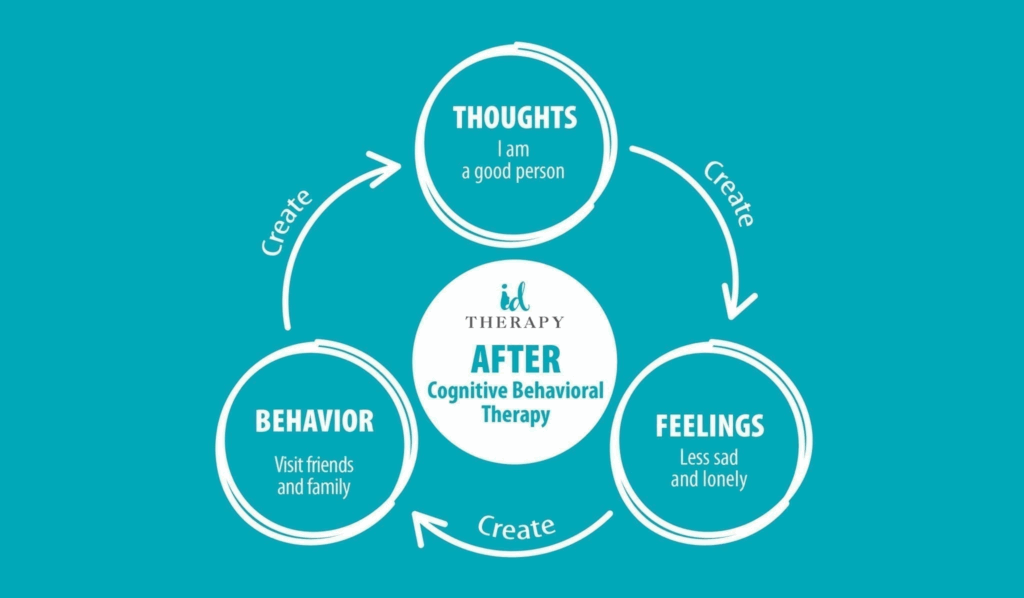


Benefits of Cognitive Behavioral Therapy
- Learning anxiety management strategies: CBT provides effective techniques for managing anxiety. Breathing exercises, progressive muscle relaxation, and mindfulness are just some of the methods used to reduce the physical and emotional stress associated with public speaking.
- Building confidence through gradual exposure: CBT often includes gradual exposure techniques, encouraging individuals to confront fear in small, progressive steps. For example, starting by speaking in front of one person, then a small group, and eventually feeling comfortable with a larger audience. This controlled exposure helps desensitize fear and build confidence.
- Improving self-control skills: CBT offers practical tools to control reactions in stressful moments. Learning techniques to calm the mind and body, as well as managing anxious thoughts, helps reduce panic reactions when speaking in public.
- Changing behavioral patterns: CBT helps identify and change avoidance behaviors. Instead of fleeing public speaking situations, you learn to approach them proactively, increasing tolerance to discomfort.
- Building a positive and realistic mindset: Through CBT, you learn to replace negative thoughts with a more realistic and positive mindset. For example, instead of focusing on possible mistakes, you learn to see public speaking as an opportunity to share ideas and contribute to a discussion, providing positive motivation.
Tips to Improve Confidence in Public Speaking
Preparation:
The better prepared you are, the more confident you will feel. Rehearsing your speech and becoming familiar with the material can significantly reduce anxiety.
Breathing control:
Breathing techniques can help calm your mind and regulate emotions.
Positive thinking:
Replacing negative thoughts with positive affirmations can improve self-confidence.
Practice in safer environments:
Start by speaking in front of smaller groups or friends and family, gradually increasing the difficulty of exposure situations.
Experience advanced neuromodulation
Free yourself from stress and anxiety – breathing exercises
Adress: Naum Ramniceanu Street, no. 23, ap. 1, Sector 1, Bucharest, Romania