

Phobias
What Is the Fear of Open Spaces (Agoraphobia): Causes, Symptoms, Treatment
Agoraphobia is an anxiety disorder characterized by an intense, irrational fear of places or situations from which “escape” might be difficult or embarrassing, or where help might not be available in the event of a panic attack. This condition can have a profound impact on an individual’s daily life, limiting activities and leading to social isolation.
On this page, we will explore the causes, symptoms, and treatment options for agoraphobia, offering a deeper understanding of how this fear of open spaces can be effectively managed and treated.
What Is the Fear of Open Spaces (Agoraphobia)?
The fear of open spaces (agoraphobia) is an anxiety disorder characterized by an intense and persistent fear of places or situations that may trigger panic, helplessness, or embarrassment. People with agoraphobia often fear open spaces, crowds, or situations in which escape may be difficult or help may not be available if needed.
This fear can lead to systematic avoidance of such places or situations, significantly affecting daily life and limiting the social and professional activities of those suffering from this disorder.
Agoraphobia often develops following repeated panic attacks, causing the affected person to associate certain places or situations with intense fear and discomfort.
Understanding what agoraphobia is and its consequences is essential for recognizing and treating this disorder effectively. Symptoms can range from dizziness, difficulty breathing, and palpitations to an overwhelming fear of losing control.
What Are the Causes of Agoraphobia?
Although the exact causes of agoraphobia are not fully known, research indicates that it can be triggered by a combination of genetic, biological, and psychological factors. The fear of open spaces is often associated with an existing panic disorder, which causes short, intense episodes of fear without an obvious cause. Approximately one-third of people who suffer from panic disorder develop agoraphobia.
Stressful or traumatic life experiences, such as the loss of a loved one, abuse, or a major life event, may also contribute to its onset. Additionally, chemical imbalances in the brain—particularly involving neurotransmitters such as serotonin and norepinephrine—may play an important role in the development of this phobia.
Essentially, agoraphobia arises from a complex combination of causes that vary from person to person.
What Are the Symptoms of Agoraphobia?
Agoraphobia manifests through a variety of symptoms that can affect both the physical and psychological aspects of a person’s life:
- Palpitations
- Difficulty breathing
- Dizziness
- Excessive sweating
- Nausea
- Chest pain
- Intense fear of leaving the home
- Fear of losing control in a public plac
- Fear of having a panic attack in a situation where escape may be difficult
- Systematic avoidance of places and situations that trigger anxiety
- Avoidant behaviors that limit social and professional life
- Feelings of depression and loneliness
What Are the Risk Factors for Agoraphobia?
- Family history: People who have family members with anxiety disorders or agoraphobia are more likely to develop this condition.
- Anxiety disorders: Individuals suffering from other forms of anxiety, such as panic disorder or social phobia, have a higher risk of developing agoraphobia.
- Traumatic events: Stressful or traumatic experiences, such as abuse, the loss of a loved one, or other major life events, can trigger agoraphobia.
- Personality traits: Individuals who are sensitive to stress and tend to avoid new or challenging situations are more prone to developing this condition.
- Environmental factors: Growing up in an overprotective family environment or one in which dangers are constantly emphasized may contribute to the development of agoraphobia.
- Chemical imbalances in the brain: Neurotransmitters such as serotonin and norepinephrine can influence the onset of anxiety disorders. These imbalances can affect how the brain processes stress and fear.
How Is Agoraphobia Diagnosed?
Diagnosing agoraphobia involves a detailed evaluation conducted by a mental health professional, such as a psychologist or psychiatrist. The diagnostic process is based on a combination of clinical interviews, psychological assessments, and established diagnostic criteria.
The steps in diagnosing agoraphobia include:
- Clinical interview: The clinician will discuss the patient’s symptoms, their duration and intensity, and the situations that trigger anxiety. The impact of these symptoms on daily life will also be assessed.
- Medical and family history: Reviewing the patient’s medical history, including any family history of anxiety disorders or other mental health conditions, is essential. This can provide insight into genetic predisposition and risk factors.
- Exclusion of other conditions: It is important to rule out other disorders that may cause similar symptoms, such as panic disorder, generalized anxiety disorder, or medical conditions like hyperthyroidism.
- Psychological assessments: Various tests and questionnaires may be used to evaluate anxiety levels and their impact on daily life. These assessments help determine the severity of agoraphobia and guide the development of an appropriate treatment plan.
Accurate diagnosis is crucial for implementing an effective treatment plan. Treatment may include cognitive-behavioral therapy, medication, and stress management techniques, all aimed at reducing symptoms and improving quality of life.
How Can Agoraphobia Be Treated?
There are various treatment options for agoraphobia that can help manage and alleviate symptoms. The main goal of treatment is to reduce anxiety, improve daily functioning, and restore quality of life.
Medication for Agoraphobia
Psychological therapy is considered one of the most effective treatments for agoraphobia. Medication options include:
- Antidepressants: These are often prescribed to treat agoraphobia and can help reduce anxiety and associated depressive symptoms.
- Anxiolytics: Benzodiazepines may be used to quickly relieve acute anxiety symptoms. However, due to the risk of dependence, they are usually prescribed for short-term use under strict medical supervision.
- Beta-blockers: These medications are sometimes used to control physical symptoms of anxiety, such as palpitations and tremors.
Psychological therapy remains one of the most effective treatments for agoraphobia. Therapeutic methods include:
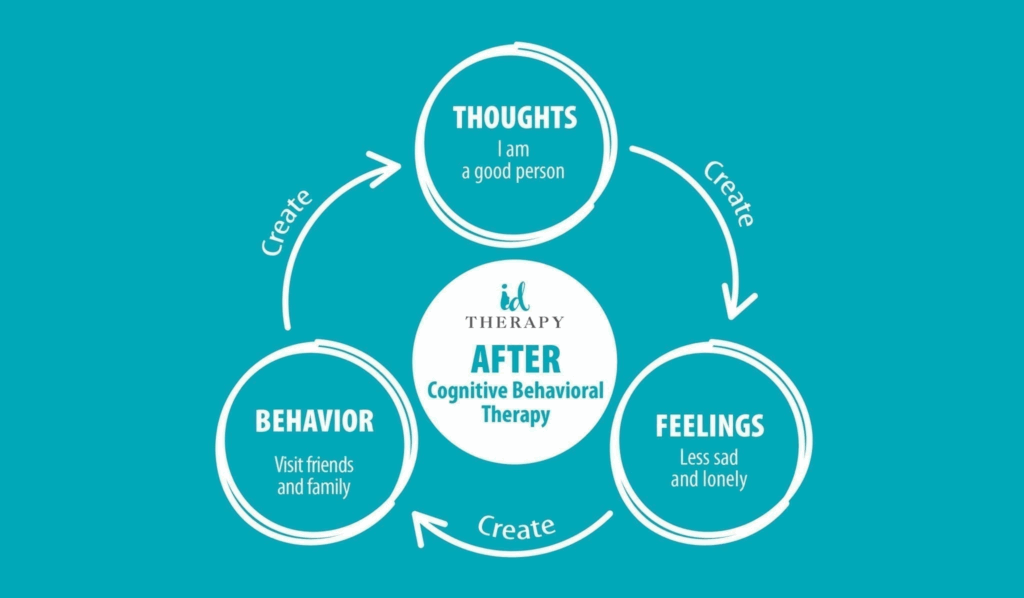
- Cognitive-Behavioral Therapy (CBT): CBT helps patients identify and change negative patterns of thinking and behavior associated with the phobia. Gradual exposure to feared situations under the guidance of a therapist can help desensitize patients and reduce anxiety.
- Exposure therapy: This involves gradual and controlled exposure to anxiety-provoking situations, helping individuals learn how to cope with fear.
- Supportive therapy: Participation in support groups or counseling sessions can provide emotional support and encouragement from others with similar experiences.
In addition to medical and psychotherapeutic treatments, some individuals may benefit from alternative medicine and natural therapies, such as:
- Relaxation techniques: Meditation, yoga, and deep breathing exercises can help reduce stress and anxiety by promoting relaxation and inner calm.
- Natural supplements: Supplements such as valerian, St. John’s wort, and L-theanine are known for their anxiolytic properties and may help manage anxiety symptoms.
- Aromatherapy: The use of essential oils such as lavender and chamomile can promote a sense of calm and relaxation.
- Acupuncture: This traditional Chinese practice may help balance the body’s energy and reduce anxiety.
What Advice Is Available for Recovering from Agoraphobia?
Recovery from agoraphobia can be a long and challenging process. However, with patience and perseverance, it is possible to regain control of your life and say, “I have recovered from agoraphobia.” Here are some tips that may help:
- Acknowledge and accept the problem: The first step toward recovery is recognizing that you have a problem and accepting that you need help. Be honest with yourself and others about how you feel and the challenges you face.
- Seek professional support: A therapist or psychiatrist specializing in anxiety disorders can be extremely helpful. Cognitive-behavioral therapy (CBT) is one of the most effective treatments for agoraphobia.
- Join support groups: Connecting with others who suffer from agoraphobia can provide encouragement and emotional support.
- Gradual exposure to feared situations: Controlled, gradual exposure is an effective desensitization technique. Start with less frightening situations and slowly progress to more challenging ones.
- Practice relaxation techniques: Learn and apply relaxation methods such as meditation, deep breathing, and yoga.
- Maintain a healthy lifestyle: A balanced diet, regular physical exercise, and adequate sleep can significantly improve overall well-being.
- Avoid alcohol and drugs: These substances can worsen anxiety symptoms and interfere with treatment.
- Establish a daily routine: A consistent routine can provide a sense of stability and control.
- Use technology to your advantage: Mindfulness, meditation, and anxiety management apps can be useful tools for managing symptoms.
- Monitor your progress: Recovery can be long and challenging. Be patient and don’t become discouraged by setbacks. Celebrate small achievements and continue working toward your ultimate goal.
What Coping Mechanisms Are Helpful in Agoraphobia?
One of the most effective coping mechanisms is cognitive-behavioral therapy (CBT), which involves gradual exposure to feared situations in a controlled and safe manner. This helps desensitize fear responses and develop healthier thoughts and behaviors.
Relaxation techniques such as deep breathing, meditation, and yoga can also reduce anxiety levels and improve stress management. Practicing these techniques regularly can create a sense of calm and inner stability, which is essential for managing agoraphobia.
Another important coping mechanism is maintaining a healthy and balanced lifestyle. Regular physical exercise not only improves physical health but also releases endorphins that promote well-being. Healthy nutrition, adequate sleep, and avoiding substances that can worsen anxiety—such as alcohol and caffeine—are also crucial.
Social support plays a significant role in coping mechanisms. Discussing fears and anxieties with friends, family, or support groups can provide encouragement and a sense of belonging. Additionally, using technology—such as mindfulness and anxiety management apps—can offer accessible and effective resources to help cope with agoraphobia.


Adress: Naum Ramniceanu Street, no. 23, ap. 1, Sector 1, Bucharest, Romania