Individual Psychotherapy Services in Bucharest and Online

At ID Therapy Clinic, we offer a unique and comprehensive approach to psychotherapy and individual therapeutic interventions.
Psychotherapy, including individual psychotherapy, is an effective method for addressing a wide range of emotional and mental health challenges, providing people with the opportunity to cope with—and ultimately overcome—the difficulties they face.
Our clinic focuses on the following principles:
1. Combining diverse psychotherapeutic solutions: We integrate multiple therapeutic approaches to precisely map the origin and expression of each symptom.
2. Acting with the end goal in mind: We focus on personalized, results-oriented therapies tailored to each person’s unique objectives.
3. Blending modern protocols with time-honored techniques: We combine evidence-based psychotherapeutic protocols with ancient healing practices to strengthen each individual’s innate capacity for recovery.
We do not treat “patients,” nor do we serve “clients.” We support people in their full, integrative humanity.

Specific Types of Psychotherapy Offered at ID Therapy Clinic

Cognitive Behavioral Therapy
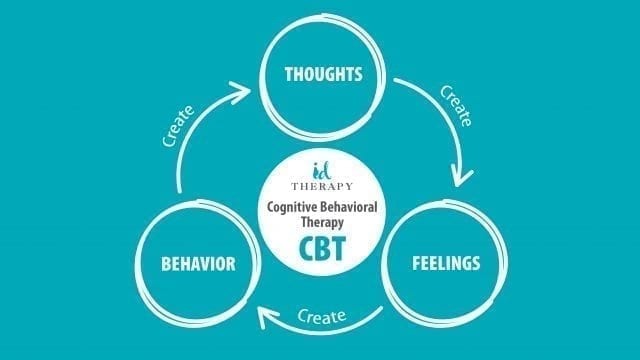
The way we interpret or think about a particular situation determines the feeling we have about that situation, which…
Brief Strategic Therapy
There are personal therapies that last for years and treatments that have conclusive results in a maximum of 10…
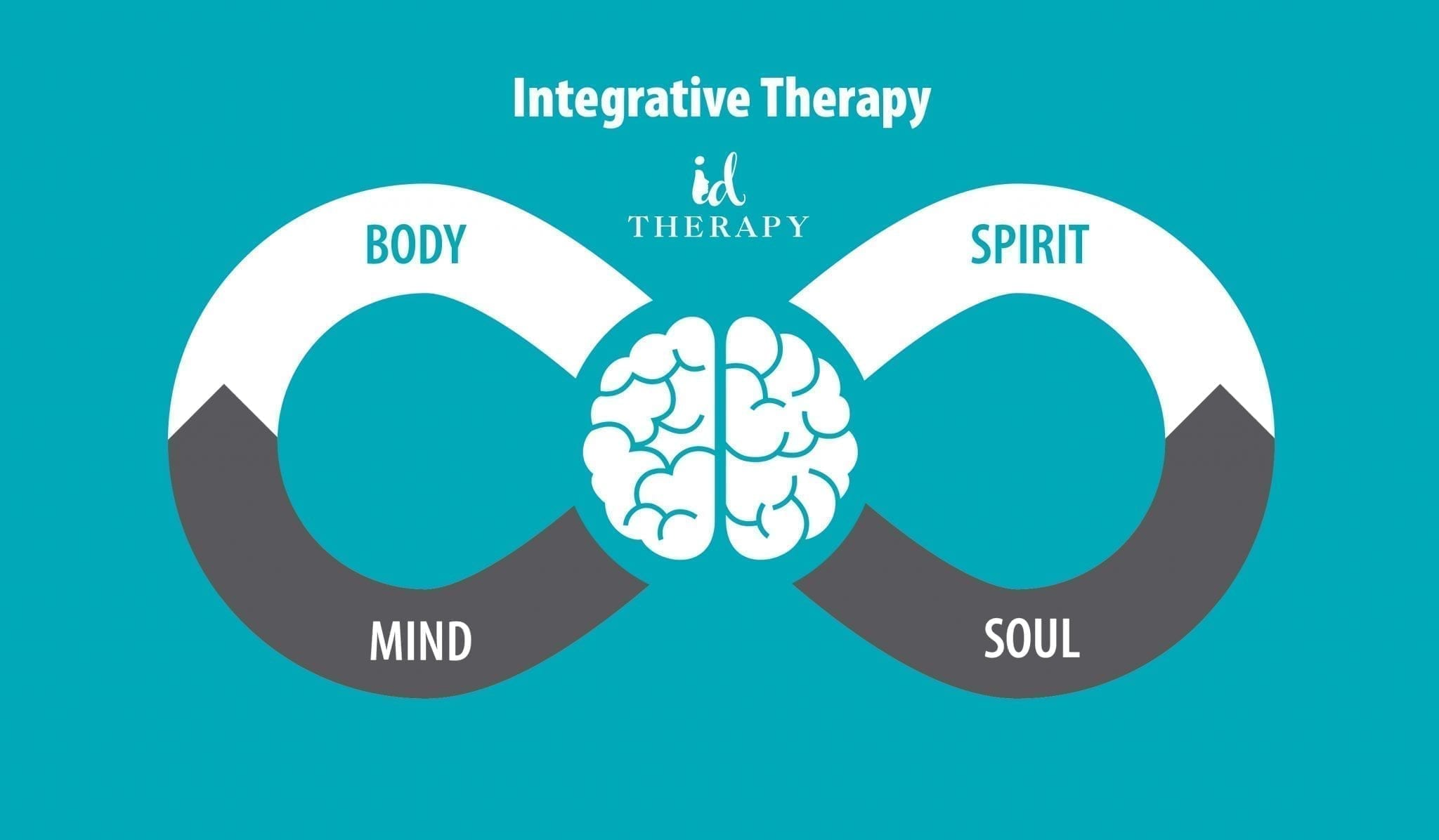
Integrative Therapy
A more flexible and sophisticated approach than traditional psychotherapy, a progressive form of psychotherapy, customized …
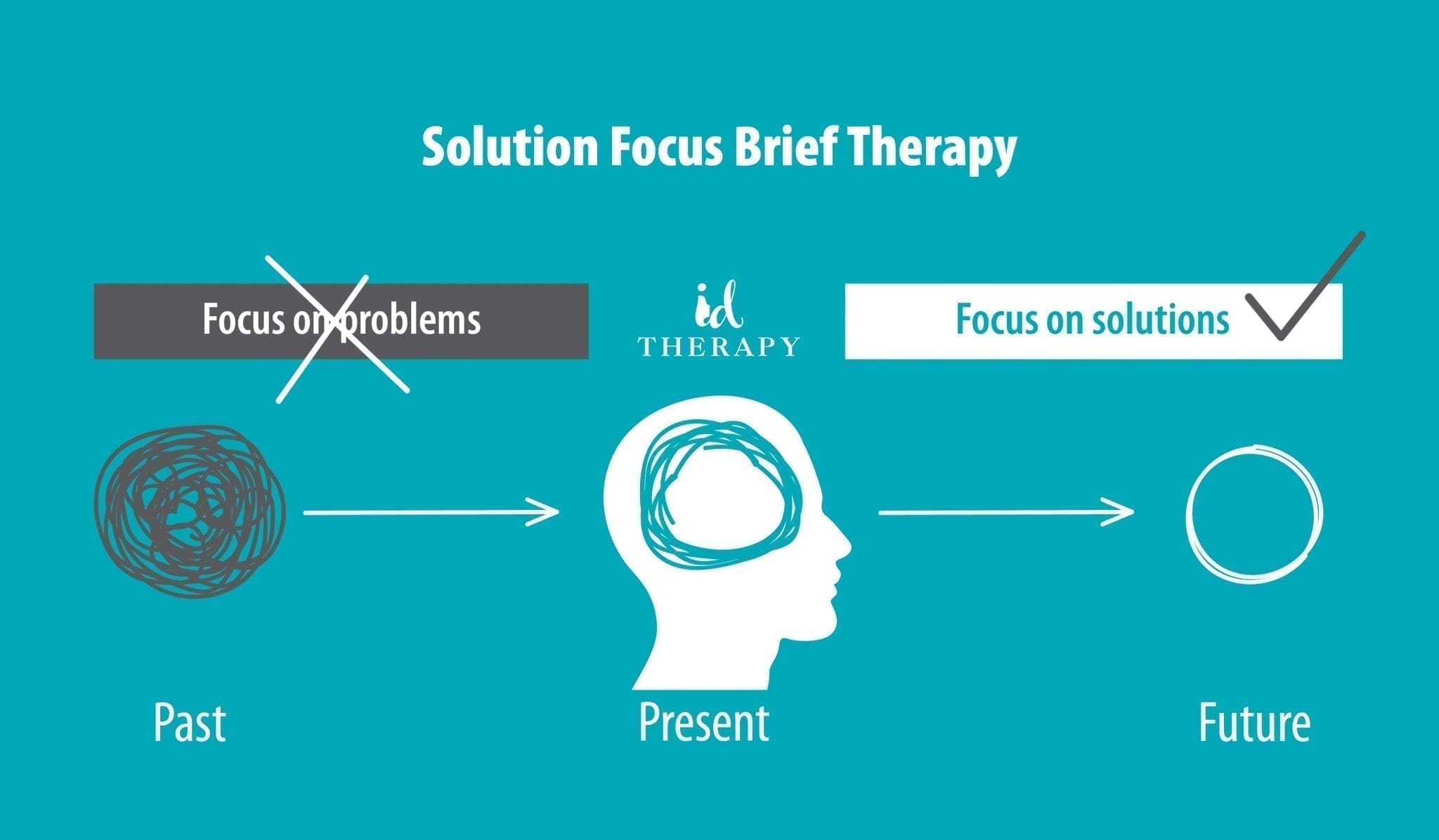
Solution Focused Brief Therapy
Solution Focused Brief Therapy is a collaborative therapy approach with direct patient participation and focuses on the goal.
What Is Individual Psychotherapy and How Does It Help You?
Psychotherapy, including individual psychotherapy, is an effective method for addressing a wide range of emotional and mental health challenges. It offers people a structured and supportive space to confront—and ultimately overcome—the difficulties they face.
In the following sections, we will explore in detail what individual psychotherapy involves, how it works, and when it is recommended to seek support from a mental health professional.
What is individual psychotherapy?
Individual psychotherapy is a form of therapy in which the client works one-on-one with a psychotherapist to address the challenges they are facing. It can cover a broad range of concerns—from emotional conflicts to medical or psychological disorders—under the guidance of a trained professional. Focused on the client’s personal goals, individual psychotherapy may integrate various approaches tailored to the person’s needs and preferences. The length of therapy differs from one client to another and can be short-term or long-term, depending on the complexity of the issues and the progress made during sessions.
How Does the Individual Psychotherapy Process Unfold?
The process usually begins with a series of initial sessions, during which the therapist and client clarify therapeutic goals and discuss the presenting concerns. At this stage, the therapist may use different techniques and approaches to help the client better understand and manage their challenges. Following this initial exploration, the therapist and client work together to develop a personalized treatment plan. This plan is carefully designed to align with the client’s needs and objectives, using evidence-based strategies and best practices in psychotherapy.
How Many Types of Psychotherapy Exist?
There are numerous types of psychotherapy, each with specific techniques and distinctive approaches. Among the most widely practiced are these four:
  1. Cognitive-Behavioral Therapy (CBT)
  2. Brief Strategic Therapy
  3. Solution-Focused Brief Collaborative Therapy
  4. Integrative Psychotherapy
1. Cognitive-Behavioral Therapy (CBT)
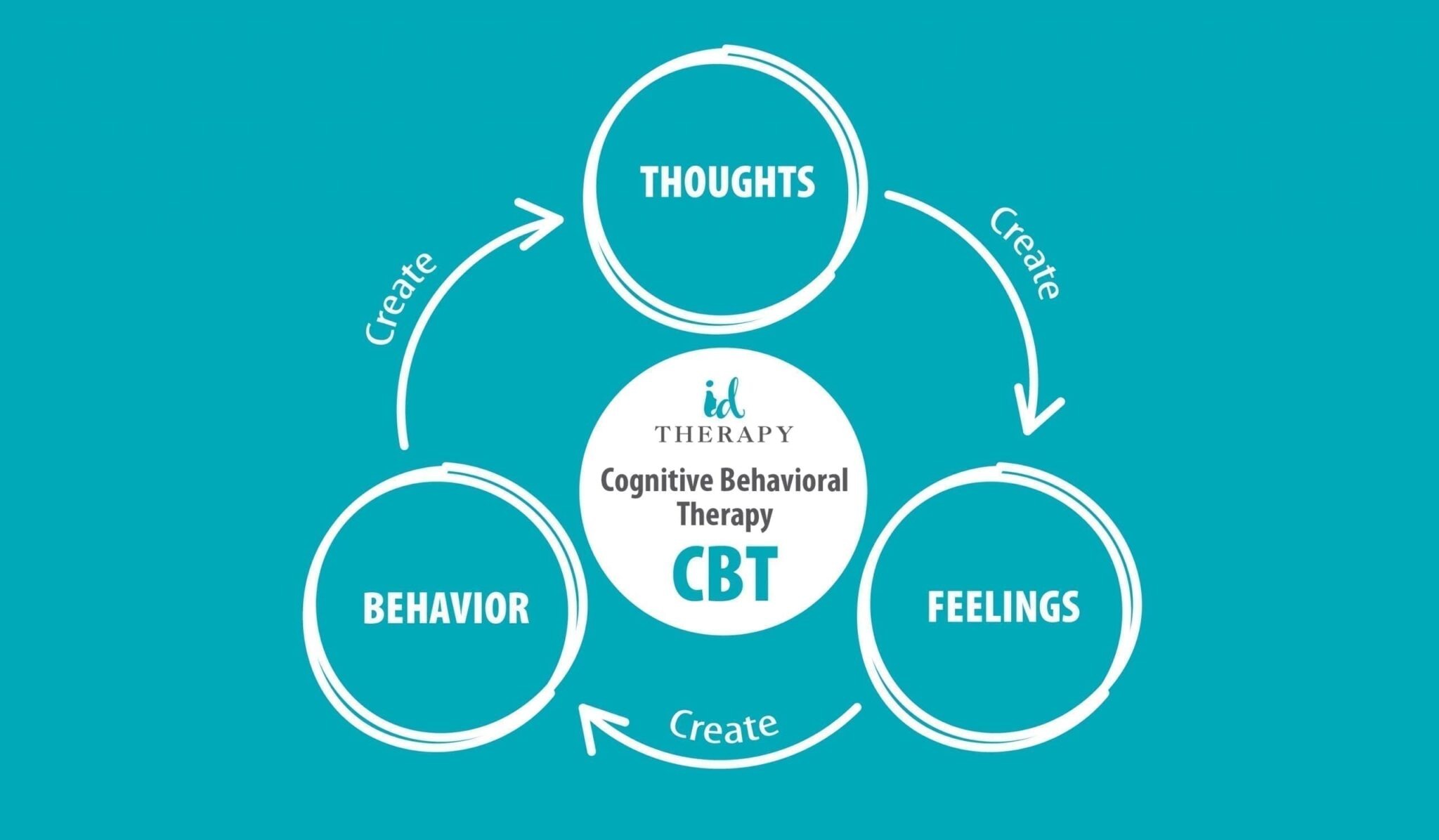
Infographics-ENG-Watermark-01-64
1. Cognitive-Behavioral Therapy (CBT)
CBT is based on the principle that thoughts, emotions, and behaviors are interconnected and continuously influence each other. It encourages clients to explore and transform internal experiences, helping them reinterpret situations more effectively. The way we think about a situation shapes our emotional response, which in turn influences how we behave. CBT has demonstrated effectiveness in relieving and resolving symptoms associated with conditions such as:
  • Anxiety
  • Panic attacks
  • Phobias
  • Anger
  • Obsessive-Compulsive Disorder (OCD)
  • Depression
  • Substance addictions (alcohol, nicotine, drugs)
  • Marital problems
  • Eating disorders
  • Bipolar disorder
  • Post-traumatic stress disorder (PTSD)
  • Insomnia
  • Personality disorders
  • Psychosis
  • Any mental health concern
2. Brief Strategic Therapy
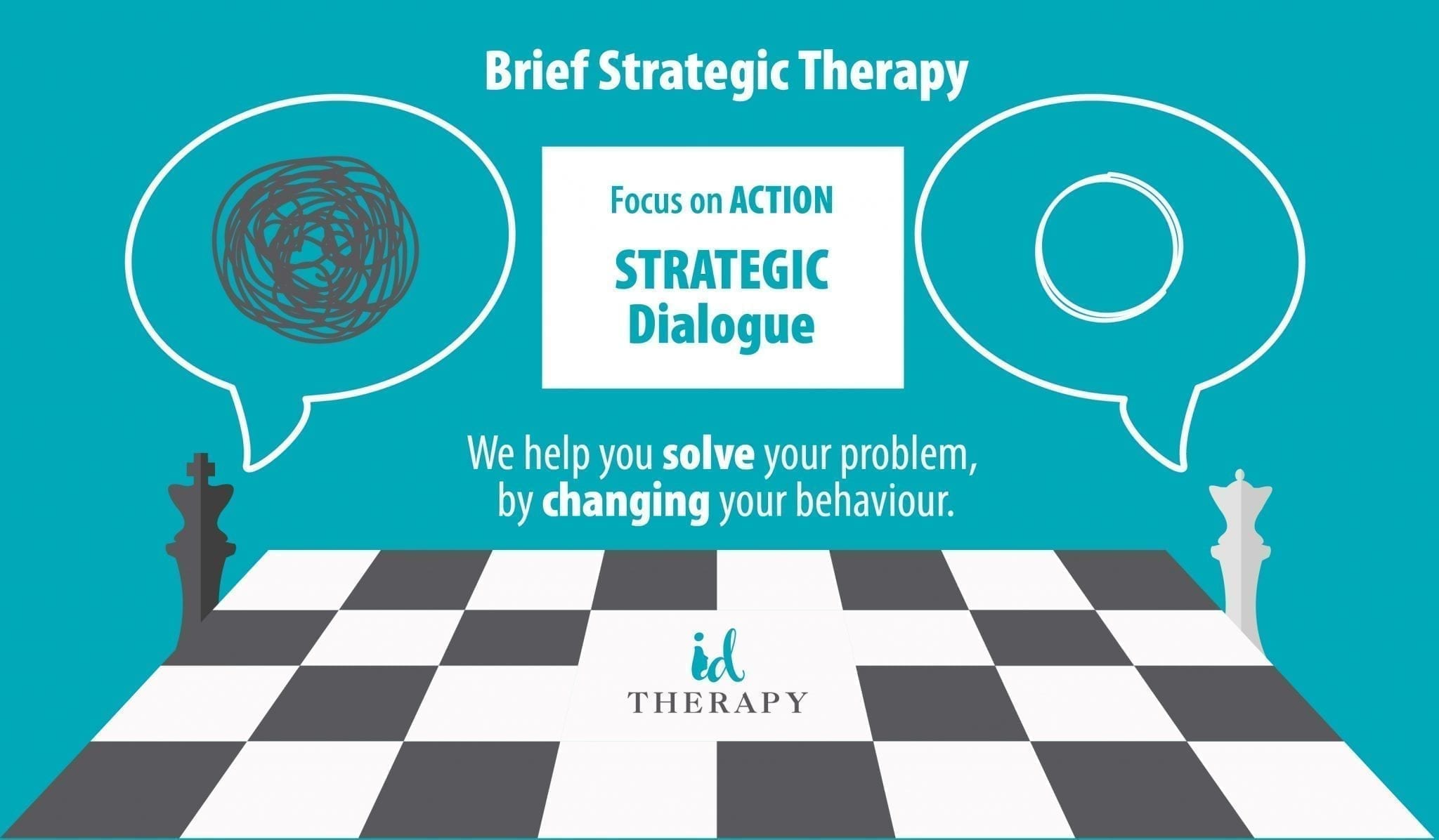
Infographics-ENG-Watermark-05-64
2. Brief Strategic Therapy

Brief Strategic Therapy is an action-oriented and highly effective approach that aims to resolve difficulties by modifying dysfunctional behaviors. Rather than focusing on analyzing the problem in depth, this method prioritizes identifying and implementing concrete solutions.

Research shows that Brief Strategic Therapy is effective in more than 88% of psychological conditions.

Pragmatic and focused on positive change, it helps clients mobilize their internal resources to overcome challenges rather than concentrating solely on the origin of the issue. Treatment length varies widely—ranging from long-term interventions to therapeutic protocols that reach their goals in fewer than 10 sessions.
3. Solution-Focused Brief Collaborative Therapy
Infographics-ENG-Watermark-04-64h
3. Solution-Focused Brief Collaborative Therapy

Solution-Focused Brief Collaborative Therapy centers on resources and solutions, offering an efficient and direct route toward improvement. This approach emphasizes uncovering and activating the client’s personal strengths while working toward clearly defined goals.

One of its hallmark tools—the “future-oriented miracle question”—helps reveal the client’s untapped potential and supports rapid, results-driven change.
4. Integrative Psychotherapy
Psihoterapia Integrativa
4. Integrative Psychotherapy

Integrative Psychotherapy combines methods from various therapeutic models, offering a flexible and individualized perspective on mental health. This holistic approach draws on cognitive-behavioral, psychodynamic, experiential, and systemic principles to provide a comprehensive understanding of human development.

The integrative therapist carefully selects and applies strategies best suited to each client, honoring the interconnectedness of emotions, cognition, physiology, and the broader social context.

What Psychotherapy Techniques Exist?
Therapists may use numerous techniques to support healing during therapy sessions. These range from conversational, insight-oriented methods to structured, skills-based interventions. There are six main categories of psychotherapy techniques:
  1. Relaxation and stress-management techniques
  2. Problem-solving techniques
  3. Cognitive techniques
  4. Behavioral techniques
  5. Communication and social-skills development techniques
  6. Physiological arousal-regulation techniques
1. Relaxation and Stress-Management Techniques

May include breathing exercises, meditation, progressive muscle relaxation, and other methods that reduce tension and enhance well-being.

2. Problem-Solving Techniques
Involve identifying specific problems, generating potential solutions, evaluating them, and implementing the most effective ones.
3. Cognitive Techniques
Focus on identifying and changing negative or unrealistic thoughts that contribute to emotional distress.
4. Behavioral Techniques
Target unhealthy or harmful behaviors and aim to replace them with healthier patterns.
5. Communication and Social Skills Techniques
Include active listening, assertive expression of feelings and needs, negotiation, and conflict resolution.
How Effective Is Psychotherapy?

Extensive research supports the effectiveness of psychotherapy. Studies consistently show that most people who enter therapy experience significant improvement in symptoms and quality of life.

On average, about 75% of clients report benefiting from psychotherapy.

Therapy outcomes depend on several factors—including client motivation, therapist expertise, and the quality of the therapeutic relationship. CBT, for example, is one of the most effective treatments for anxiety and depression.

What Are the Benefits of Individual Psychotherapy?
Individual psychotherapy offers numerous benefits, including:
  • Improved stress-management skills: Personalized strategies help individuals cope with tension and maintain emotional balance.
  • Deeper self-understanding: Clients gain insight into their thoughts, emotions, and behaviors, building authenticity and personal growth.
  • Enhanced communication and interpersonal relationships: Therapy strengthens communication skills and fosters healthier, more meaningful connections.
  • Problem-solving and conflict resolution: A safe therapeutic space supports exploration and healing.
  • Improved quality of life: Emotional and mental well-being increase significantly through guided therapeutic work.
How Long Does Psychotherapy Last?
Psychotherapy duration varies depending on:
  • The issue being addressed
  • Personal goals
  • The therapeutic approach
  • Individual response to treatment
Short-term therapies may last between 5–20 sessions, while long-term therapies may extend over months or years. Collaborating with your therapist helps establish realistic expectations and a personalized treatment plan that includes an estimated timeline and measures for evaluating progress.
What Happens During a Psychotherapy Session?

A standard session is a constructive dialogue between client and therapist. The therapist asks questions, offers feedback, and recommends evidence-based strategies or techniques to help the client navigate challenges.

Sessions typically last 50–60 minutes.

What Happens During the First Psychotherapy Session?

The initial session—often called the assessment session—sets the foundation for the therapeutic relationship.

During this session, you can expect:

  1. Introductions and building initial rapport
  2. Clarifying confidentiality and its limits
  3. Completing intake forms about medical, psychological, and social history
  4. Discussing the reasons for seeking therapy
  5. Setting therapeutic goals
  6. Exploring expectations regarding frequency, duration, and logistics
  7. Introducing the therapeutic process and potential methods
  8. Providing space for questions
  9. Agreeing on next steps and scheduling the following session
This meeting is essential for establishing trust and framing the therapeutic journey.
What Does Confidentiality Mean in Psychotherapy?
Confidentiality is a core ethical principle ensuring that all information shared by clients is protected. Therapists may only disclose information with explicit client consent or when required by law to prevent imminent harm.
What Is the Cost of Psychotherapy?
Psychotherapy fees vary depending on:
  • Therapist experience
  • Session duration
  • Practice location
At ID Therapy, prices start at 350 lei for a 50-minute session. Some health insurance plans partially or fully reimburse psychotherapy services—clients should check their policy details.
What Is a Psychotherapist?
A psychotherapist is a mental health professional trained to offer assessment and treatment for emotional, behavioral, and psychological challenges. They use evidence-based therapeutic methods to help clients understand their struggles, promote positive change, and enhance overall well-being. Psychotherapists may be trained in various approaches, including CBT, Strategic Therapy, Integrative Therapy, and more.
How Can a Psychotherapist Help You?
A psychotherapist can support you in many ways, including:
  • Understanding the roots of your struggles
  • Learning coping strategies
  • Improving communication and relationships
  • Navigating major life transitions
  • Facing fears and insecurities
  • Enhancing self-knowledge and personal growth
  • Processing trauma and emotional pain
  • Overcoming addictions (alcohol, nicotine, gambling, work, sex, pornography)
  • Making informed life decisions
Therapy provides a safe, confidential space for healing, exploration, and transformation.
How Do I Choose the Right Type of Therapy For Me?
Here are 7 steps to help you choose the best therapeutic approach:
  1. Reflect on your goals
  2. Research different therapy approaches
  3. Seek professional guidance
  4. Consider your personality and preferences
  5. Evaluate availability, cost, and logistics
  6. Experiment—try a few sessions if needed
  7. Trust your intuition
Choosing therapy is a personal journey, and the most important factor is finding a therapist and approach that make you feel supported and understood.

ID Therapy Team

Select the type of condition and consult an ID Therapy specialist.

We combine different psychotherapeutic solutions to map the exact source and the way of how each symptom manifests.
ID Therapy team innovatively combines the types of therapy, to shorten the path to the solution and to diagnose directly in the context.
Nadia Gorduza
Psychotherapist Doctor & Founder of ID THERAPY
Raina Saguna
Integrative Psychotherapist, Clinical Psychologist
Testimonials & Reviews for ID Therapy
Certifications & Affiliations of ID Therapy Clinic
How much does individual psychotherapy cost at ID Therapy Clinic?
Our individual psychotherapy sessions start from €100, offering high-quality, evidence-based care tailored to your needs.
ID Therapy Clinic Location
Contact Information for ID Therapy
Discover useful articles about individual psychotherapy
Read blog articles about individual psychotherapy and find useful information about how it can help you.