

Virtual Reality Therapy use applications and programs of visual immersion in which specific situations are simulated visually and audibly, to provide the patient, suffering from various phobias, a safe and comfortable environment. The environment easily reproduces and relay different experiences that help the patient to be treated for specific conditions.
Specific Phobias are treated by Virtual Reality
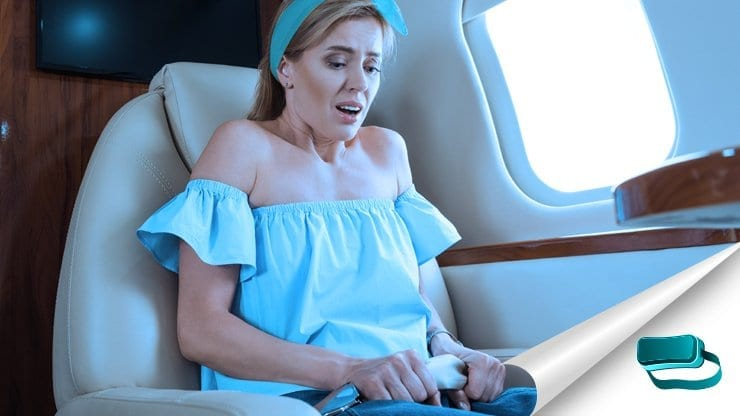

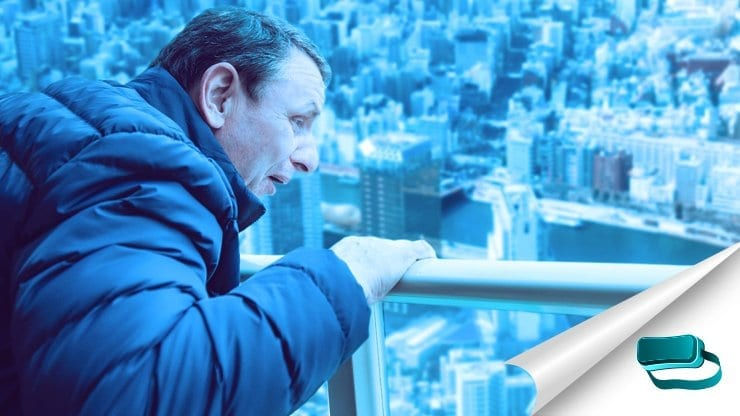
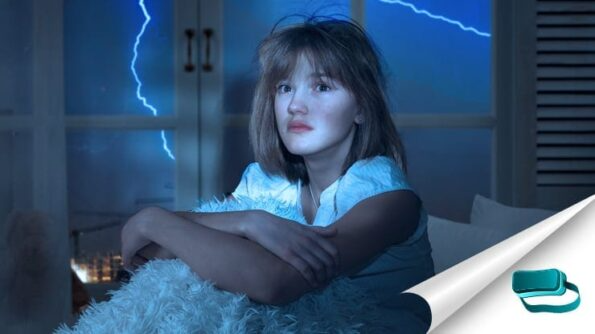
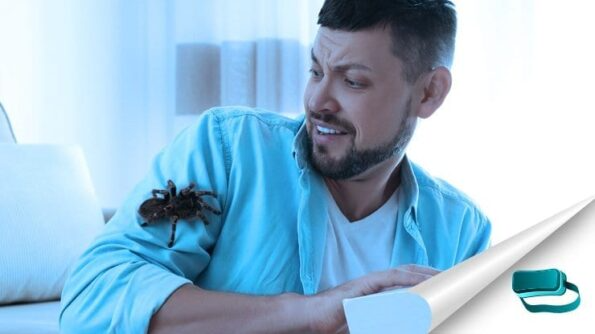

How does it work Virtual Reality Therapy?
During the virtual therapy, the patient meets the phobic stimulus in a virtual world that simulates the real situation of anxiety. It uses 3D projection glasses(head-mounted display), equipped with body motion monitoring sensors, which are connected to the doctor’s computer.
Thus, it allows the doctor/psychotherapist to offer careful guidance, while maintaining full control over everything that occurs, adjusting the intensity of the therapy according to the individual needs of the patient.
Non-phobic patients can quickly pick up subtle details by saying that the object is not real, such as how the spider moves and reacts or the lack of movement in the virtual plane.
Phobic patients, however, immediately seek out the signals they perceive to be relevant to their survival. The mere presence of the spiders’ legs and movement in their direction is enough to trigger a strong emotional response – enough to initiate fear and corrective learning experience.
Virtual Reality Therapy programs have also begun to be tested as a new therapy for young people with autism disorders, for whom anxiety and social phobias are common.
Adress: Street Naum Ramniceanu, nr. 23, ap. 1, Sector 1, Bucharest, Romania
Virtual Reality Therapy
In Romania ID Therapy Bespoke Treatment Center is the only clinic, representing the Virtually Better Institute, Inc®, USA, which offers patients virtual therapy systems for specific phobias (aviophobia, fear of public speaking, astraphobia, fear of dogs, acrophobia, arachnophobia, gephirophobia, brontophobia, aichmophobia, nyctophobia), alcohol and tobacco addiction and anxiety management relaxation techniques.
The results of virtual reality exposure therapy for specific phobias are over 70% and are maintained even after the end of therapy.